

Based on your book
The Trouble with Being Born
by Cioran, E. M.
Reading E. M. Cioran is less like studying philosophy and more like sharing a drink with the most brilliant, exhausted person in the room. This collection of aphorisms functions as a series of intellectual grenades, each one designed to dismantle your assumptions about the value of existence. Cioran does not offer solutions or comfort; instead, he catalogs the inherent tragedy of consciousness with a biting, rhythmic precision that makes his cynicism feel strangely intimate. The pacing is fragmented by design, allowing you to inhabit his bleak, introspective headspace in short, sharp bursts. This book is for the reader who finds traditional optimism dishonest and prefers to confront the absurdity of life head-on. If you have ever felt that being alive is a fundamentally difficult, perhaps even flawed, project, Cioran will feel like a long-awaited conversation.
10 Books similar to 'The Trouble with Being Born'
Those who resonate with the cold clarity of Cioran will find a home in the works of writers who similarly refused to look away from the void. We selected these titles because they mirror his commitment to existential honesty, whether through the claustrophobic introspection of Dostoevsky and Pessoa or the systematic dismantling of hope found in Schopenhauer and Ligotti. These authors share a common vocabulary of alienation and moral ambiguity. If you appreciate the way Cioran strips away the veneer of human vanity, these selections provide a rigorous, often haunting dialogue on the weight of being.
As an Amazon Associate, we earn from qualifying purchases.

Like Cioran, Dostoevsky presents a narrator whose intense introspection and alienation from society lead to a profound, often bitter, philosophical critique of human nature. Both works are foundational texts for readers drawn to the darker, more cynical corners of existential thought.

by Albert Camus
This essay collection explores the absurdity of human existence, mirroring Cioran's obsession with the futility of life while offering a slightly different, more defiant philosophical conclusion. It is essential reading for anyone grappling with the same existential questions found in Cioran's aphorisms.

Ligotti provides a modern, deeply unsettling philosophical treatise on pessimism and the illusion of the self that aligns perfectly with Cioran's nihilistic outlook. It is a rigorous, often disturbing examination of why consciousness itself might be a mistake.

Sartre’s novel captures the visceral, suffocating experience of realizing the contingency of existence, a central theme in Cioran's work. The protagonist’s growing detachment from reality and society will resonate deeply with fans of Cioran's solitary, brooding voice.

Prefer to listen?
Try Audible and hear the story instead of reading it.
As an Amazon Associate, we earn from qualifying purchases.

Cioran was heavily influenced by Nietzsche, and this book serves as a cornerstone for the iconoclastic, aphoristic style that Cioran later perfected. It challenges conventional morality with a sharp, biting wit that mirrors Cioran’s own intellectual rigor.

Pessoa’s masterpiece is a fragmented, diaristic meditation on boredom, dreams, and the futility of action, sharing Cioran's lyrical and melancholic tone. Both authors excel at capturing the quiet, agonizing beauty of a life lived primarily in the mind.
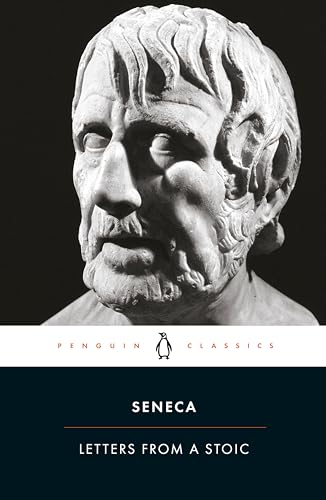
by Seneca
While Seneca offers a more constructive philosophy than Cioran, the epistolary format and the focus on the brevity of life and the inevitability of death create a fascinating dialogue with Cioran's pessimism. It provides a classical counterpoint to Cioran's modern despair.

Kundera blends narrative with philosophical inquiry to explore the weight and meaninglessness of human choices, echoing Cioran’s concerns about the burden of existence. The tone is sophisticated, melancholic, and deeply concerned with the nature of human freedom.

Schopenhauer is the grandfather of philosophical pessimism, and his clear, biting observations on the human condition directly paved the way for Cioran's style. Readers who enjoy Cioran's ability to dismantle human vanity will find Schopenhauer equally compelling.

Beckett’s play is the dramatic embodiment of the themes found in Cioran's writing: the absurdity of waiting for meaning in a world that offers none. The minimalist, bleak, and darkly humorous dialogue perfectly captures the essence of Cioran's worldview.

Love to read on the go?
Explore Kindle e-readers and take your books with you.
As an Amazon Associate, we earn from qualifying purchases.
As an Amazon Associate, we earn from qualifying purchases.