

Based on your book
The Tycoons
by Morris, Charles R.
Morris examines the seismic shift in American capitalism between the Civil War and the turn of the century by focusing on four men: Andrew Carnegie, John D. Rockefeller, Jay Gould, and J.P. Morgan. Rather than a dry economic lecture, this is an analytical look at how these individuals manipulated nascent industries like steel, oil, and finance to consolidate unprecedented power. The prose is steady and observational, favoring clarity over sensationalism as it dissects the mechanics of their monopolies. You are reading this to understand the architecture of the modern American economy and the raw ambition required to build it from scratch. It is an ideal pick for readers who enjoy digging into the intersection of personal ego and structural market forces. If you prefer your history grounded in cold, hard facts rather than dramatic narrative flair, this book is a necessary addition to your shelf.
10 Books similar to 'The Tycoons'
If the mechanical genius and ruthless ambition found in Morris's work kept you turning pages, these selections offer deeper entry points into the Gilded Age. We chose these titles because they mirror the same intellectual intensity, focusing on the specific personalities and economic systems that defined the era. Whether you are interested in the dark undercurrents of industrial corruption or the broader social pushback against concentrated wealth, this collection connects the dots between individual biographies and the systemic transformation of America. It is a curated path through the power dynamics that still shape our world today.
As an Amazon Associate, we earn from qualifying purchases.

by Ron Chernow
As the definitive biography of one of the central figures in Morris's book, Chernow provides a sprawling, meticulously researched look at the Gilded Age's most powerful man. Readers who enjoyed the deep dive into the business strategies and personal lives of the titans in Morris's work will find this equally compelling.

by Ron Chernow
This book offers a comprehensive history of the J.P. Morgan banking dynasty, covering the same era and economic landscape as The Tycoons. It masterfully connects individual biography with the broader evolution of American finance, making it a perfect companion piece.
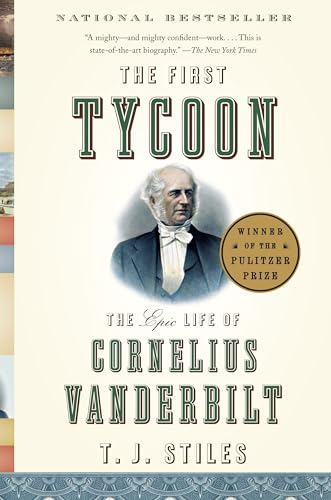
by T.J. Stiles
This Pulitzer Prize-winning biography captures the ruthless ambition and transformative impact of Cornelius Vanderbilt, who set the stage for the tycoons Morris discusses. It shares the same narrative drive and focus on how individual industrialists fundamentally reshaped the American economy.

by Erik Larson
While it blends true crime with architectural history, this book perfectly captures the atmosphere of the Gilded Age and the Chicago World's Fair. Readers who appreciated the context of the era in The Tycoons will enjoy this immersive, narrative-driven account of American ambition and darkness.

Prefer to listen?
Try Audible and hear the story instead of reading it.
As an Amazon Associate, we earn from qualifying purchases.

by David Nasaw
Nasaw provides the most thorough examination of Carnegie's life, from his humble beginnings to his massive philanthropy. It offers a nuanced look at the contradictions of the man who arguably did the most to define the era of the American industrialist.

For readers who enjoyed the economic analysis within The Tycoons, this book provides a broader historical scope of the American economy. It maintains a similar accessible yet intellectual tone, explaining how America became an industrial powerhouse.

by Steve Fraser
This book complements The Tycoons by exploring the societal reaction to the rise of the industrial titans. It provides the essential context of labor struggles and political tension that existed alongside the accumulation of immense personal wealth.

by H.W. Brands
Brands provides a sweeping narrative of the post-Civil War era, focusing on the rapid industrialization that created the tycoons. It matches the scope of Morris's work, detailing the massive changes in technology, finance, and culture during this pivotal time.
by David Nasaw
This is a concise, highly readable look at the life of one of the four main subjects of The Tycoons. It is perfect for readers who want to focus specifically on Carnegie's business acumen and his eventual transition into a major philanthropist.

This book provides a critical, detailed look at the railroad industry, which was the engine of the Gilded Age economy. It offers a deeper, more cynical look at the corruption and power dynamics that Morris touches upon in his chapters on Jay Gould.

Love to read on the go?
Explore Kindle e-readers and take your books with you.
As an Amazon Associate, we earn from qualifying purchases.
As an Amazon Associate, we earn from qualifying purchases.