

Based on your book
The Typewriter and the Guillotine
by Braude, Mark
Mark Braude's "The Typewriter and the Guillotine" plunges you into the charged intellectual atmosphere of post-WWII Europe, charting the fascinating, often fraught, relationship between Albert Camus and Arthur Koestler. This isn't just a dual biography; it’s a deep exploration of how two brilliant minds grappled with the century's most profound political and moral questions, particularly the allure and terror of totalitarianism. Braude dissects their arguments on rebellion, justice, and the intellectual's responsibility, showing how their ideas clashed and converged amidst a world scarred by war and ideological conflict. The reading experience is intensely thought-provoking, almost like sitting in on a crucial historical debate, feeling the weight of their convictions and the dark shadows of the era. It’s a book for readers who love intellectual history and political philosophy, who enjoy wrestling with complex ideas, and who appreciate a nuanced look at the lives and legacies of figures who shaped our understanding of freedom and power.
10 Books similar to 'The Typewriter and the Guillotine'
If you found yourself absorbed by Braude's intellectual deep dive into the lives and ideas of Camus and Koestler, you’ll find our recommended list continues that journey. We’ve curated these books for their shared commitment to exploring the dark realities of totalitarianism, the complex moral compromises demanded by political upheaval, and the enduring struggle of intellectuals to make sense of a turbulent world. Whether through fiction or rigorous non-fiction, these selections offer further insights into the power dynamics and social commentary that make "The Typewriter and the Guillotine" so compelling.
As an Amazon Associate, we earn from qualifying purchases.
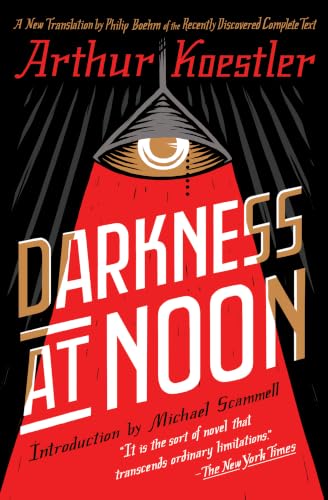
This powerful novel, written by one of the figures discussed in Braude's book, offers a fictionalized yet deeply insightful look into the psychological torment and moral compromises demanded by totalitarian regimes. Readers will appreciate its intense intellectual engagement with political ideology and individual conscience.

by Albert Camus
As a foundational philosophical work by the other central figure of Braude's book, "The Rebel" directly explores the themes of revolt, freedom, and the historical trajectory of violence and justice. It provides a deeper dive into Camus's own intellectual struggles that are central to "The Typewriter and the Guillotine."

This classic dystopian novel resonates strongly with the anxieties about totalitarianism and the manipulation of truth that Camus and Koestler grappled with. It offers a chilling, immersive experience of a society where individual thought and freedom are systematically suppressed, mirroring the intellectual battles discussed by Braude.
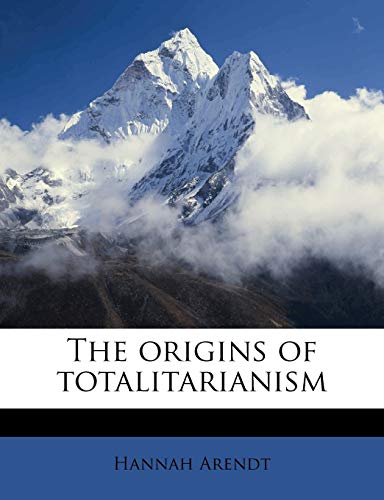
This seminal non-fiction work provides the crucial historical and philosophical framework for understanding the rise of the totalitarian regimes that so profoundly shaped the lives and thoughts of Camus and Koestler. Fans will appreciate its rigorous analysis and intellectual depth in exploring the era's political landscape.

Prefer to listen?
Try Audible and hear the story instead of reading it.
As an Amazon Associate, we earn from qualifying purchases.

Orwell's firsthand account of fighting in the Spanish Civil War offers a raw, personal perspective on ideological conflict, political disillusionment, and the moral complexities of war. It mirrors the intellectual's struggle to reconcile ideals with brutal reality, a central theme in Braude's examination of Camus and Koestler.

by Albert Camus
This allegorical novel by Camus explores humanity's response to an overwhelming crisis, delving into themes of solidarity, moral responsibility, and the absurdity of existence. Its examination of collective and individual struggle against an indifferent force will appeal to readers who appreciate the philosophical depth and humanistic concerns in Braude's work.

This monumental work offers an unflinching, harrowing account of the Soviet forced labor camp system, providing a stark testament to the human cost of totalitarianism. Its detailed historical documentation and profound exploration of human suffering and resilience will deeply resonate with readers interested in the dark side of 20th-century political history.

This roman à clef offers a vivid portrayal of the intellectual and political ferment among Parisian writers and philosophers in the aftermath of WWII, a milieu shared by Camus and Koestler. It delves into the personal and ideological conflicts of a generation grappling with their political commitments and moral responsibilities.
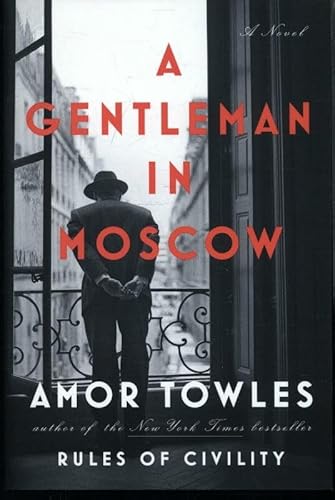
by Amor Towles
While a work of fiction, this novel beautifully captures the resilience and intellectual spirit of an individual navigating confinement under a totalitarian regime. Its focus on philosophical reflection, quiet defiance, and the search for meaning amidst political upheaval offers a compelling parallel to the personal struggles of the intellectuals in Braude's book.

This comprehensive biography introduces another towering intellectual figure of the 20th century whose life and work were profoundly shaped by the rise of totalitarianism and the moral challenges of her era. Readers interested in the lives of thinkers grappling with monumental historical events will find Arendt's journey equally compelling.

Love to read on the go?
Explore Kindle e-readers and take your books with you.
As an Amazon Associate, we earn from qualifying purchases.
As an Amazon Associate, we earn from qualifying purchases.