

Based on your book
The Unbearable Lightness of Being
by Milan Kundera
The Unbearable Lightness of Being is a profoundly reflective novel that intertwines the lives of four individuals in 1968 Czechoslovakia, exploring the weight of choice and the 'lightness' of existence. You follow Tomas, Tereza, Sabina, and Franz through their intricate love affairs and philosophical musings against a backdrop of political upheaval. Kundera doesn't just tell a story; he invites you into a deep, often melancholic meditation on fidelity, betrayal, freedom, and the meaning we assign to our fleeting lives. The experience is intimate and intellectually stimulating, almost like a conversation with a brilliant, slightly detached friend. It’s a book for readers who appreciate novels that challenge them to think, feel deeply, and grapple with complex human emotions and big existential questions, rather than just follow a plot.
10 Books similar to 'The Unbearable Lightness of Being'
If Kundera's exploration of moral ambiguity and the search for meaning resonated with you, you'll find kindred spirits in our curated list. We looked for books that also delve into the intricate dance between personal desire and historical forces, often featuring characters caught in profound existential crises. Whether it's the philosophical weight of individual choices or the melancholic reflection on love and freedom under duress, these novels offer similar deep dives into the human condition, inviting you to ponder life's 'lightness' and its profound burdens.
As an Amazon Associate, we earn from qualifying purchases.

As another masterpiece by Kundera, this novel explores similar themes of memory, political resistance, and the erotic, using the same non-linear, philosophical narrative structure. It captures the tension between personal lives and the weight of history in Communist Czechoslovakia.

by Albert Camus
Fans of Kundera's existential inquiries will appreciate Camus's exploration of the absurdity of life and the indifference of the universe. The novel's detached narrative voice and focus on the individual's struggle against societal norms mirror the 'lightness' found in Kundera's work.

This novel blends political satire with philosophical depth and surrealism, much like Kundera's work. It examines the nature of good and evil and the role of the artist within a restrictive political regime, set against a backdrop of magical occurrences in Moscow.

Like Kundera’s epic, this story follows a physician-poet caught between his personal romantic entanglements and the violent upheaval of the Russian Revolution. It beautifully illustrates the struggle to maintain individual identity and love when history demands total submission.

Prefer to listen?
Try Audible and hear the story instead of reading it.
As an Amazon Associate, we earn from qualifying purchases.

Ishiguro's melancholy exploration of fate and what it means to be human resonates with the 'weight' of existence central to Kundera's philosophy. The quiet, reflective prose and the characters' acceptance of their predetermined lives evoke a similar sense of tragic beauty.

This novel offers a lyrical and deeply philosophical look at the nature of love, aging, and persistence. Readers who enjoyed the intricate romantic dynamics and the meditation on time in Kundera's work will find Márquez's prose equally intoxicating.
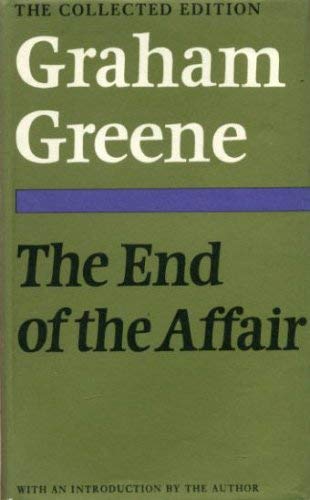
Greene explores the intersection of love, hate, and spiritual belief with an intellectual rigor that mirrors Kundera's style. The novel's focus on infidelity and the psychological motivations of its lovers provides a compelling look at the 'weight' of moral choices.

With its non-linear structure and lush, observational prose, Roy's novel examines how 'big' political forces crush 'small' personal lives. The book's focus on forbidden love and the tragedy of social taboos aligns with Kundera's thematic interests.

This introspective novel captures a specific mood of nostalgic melancholy and the complexities of young love and loss. Like Kundera, Murakami uses a deeply personal narrative to explore broader existential questions about life, death, and memory.

A sweeping, philosophical epic that examines the human spirit under the pressure of totalitarianism. Fans of the political and moral weight in Kundera's work will appreciate Grossman's profound observations on freedom and the individual's place in history.

Love to read on the go?
Explore Kindle e-readers and take your books with you.
As an Amazon Associate, we earn from qualifying purchases.
As an Amazon Associate, we earn from qualifying purchases.