

Based on your book
The Victorian Internet: The Remarkable Story of the Telegraph and the Nineteenth Century's On-line Pioneers
by Tom Standage
Tom Standage's "The Victorian Internet" doesn't just tell you about the telegraph; it immerses you in the sheer wonder and societal upheaval it caused, framing it as the original internet. This book unpacks how a seemingly simple invention, capable of sending messages across continents in moments, profoundly reshaped business, daily life, and even human perception of time and distance. Reading it feels like a lively conversation with a knowledgeable friend, drawing fascinating parallels between 19th-century reactions to the telegraph and our own experiences with the digital age. It's a thought-provoking journey for anyone who loves a good historical deep dive, enjoys cultural analysis, and wants to understand the enduring power of technology to transform everything we know.
10 Books similar to 'The Victorian Internet: The Remarkable Story of the Telegraph and the Nineteenth Century's On-line Pioneers'
If you appreciated the deep dive into societal transformation offered by Tom Standage's The Victorian Internet, our curated list continues that exploration of how singular innovations reshape our world. We've chosen books that, like Standage's, take a specific invention or commodity and meticulously reveal its profound impact on culture, economy, and daily life. You'll find more historical deep dives and cultural analyses that illuminate the unexpected power dynamics behind seemingly simple things, offering that same intellectual satisfaction of understanding how the world truly works. These are for readers who love connecting the dots between technology, history, and human behavior.
As an Amazon Associate, we earn from qualifying purchases.

Like "The Victorian Internet," this book takes a seemingly simple subject—salt—and reveals its profound and multifaceted impact on human history, culture, economics, and politics. Kurlansky’s engaging narrative style and deep historical dive will appeal to readers interested in how a single commodity can shape civilizations.

In the vein of Tom Standage's exploration of the telegraph, Kurlansky meticulously traces the history of cod, demonstrating how this single fish influenced exploration, economy, and global power dynamics. Readers will appreciate the detailed research and the way a specific subject illuminates broader historical trends.

This book mirrors "The Victorian Internet" by focusing on a seemingly mundane innovation—the shipping container—and revealing its revolutionary impact on global trade, logistics, and the modern economy. It's a fascinating look at how a technological shift can utterly transform the world, presented with clear, analytical prose.
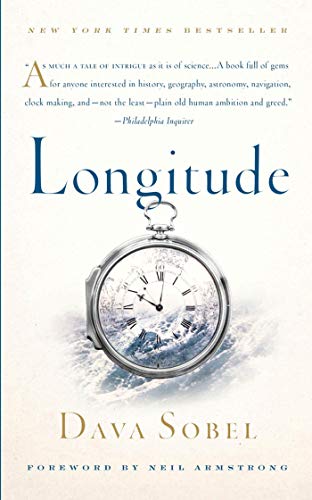
by Dava Sobel
Fans of "The Victorian Internet" will appreciate this compelling narrative about a pivotal technological breakthrough—the chronometer—and the brilliant, persistent individual behind it. Sobel's engaging style brings to life the scientific challenges and societal impact of solving the longitude problem, much like Standage chronicles the telegraph's rise.

Not sure what they've already read?
Let them pick their next favorite with an Amazon Gift Card.
As an Amazon Associate, we earn from qualifying purchases.

While broader in scope, Diamond's Pulitzer-winning work shares the analytical rigor and historical perspective of Standage, exploring how geographical and environmental factors shaped human societies and technological development. Readers who enjoy understanding the deep roots of societal change will find this compelling.

This book offers a gripping account of a 19th-century crisis and the innovative problem-solving that led to a paradigm shift in public health, echoing the transformative power of ideas and technology seen in "The Victorian Internet." Johnson's narrative style makes complex historical and scientific details highly accessible and engaging.

For readers who enjoyed the intellectual curiosity and broad historical sweep of "The Victorian Internet," Harari's "Sapiens" provides an even grander narrative, examining the major revolutions that shaped human history. It offers a thought-provoking analysis of how communication, agriculture, and other innovations fundamentally altered our species.

This book is a natural successor to "The Victorian Internet," tracing the history of the digital revolution from the first computers to the internet, much like Standage chronicled the telegraph. Isaacson highlights the brilliant minds and collaborative efforts behind these world-changing technologies, offering a similar blend of biography and technological history.

Similar to how "The Victorian Internet" dissects the impact of a single technology, Ferguson's work explores the evolution of financial innovations and their profound influence on global power, politics, and society. It provides a comprehensive and analytical look at how complex systems developed and reshaped the world.

by James Gleick
This book is an excellent follow-up for fans of "The Victorian Internet," as it delves into the very concept of information and its history, from early communication methods to the digital age. Gleick's engaging narrative style and intellectual depth explore the profound impact of information technology on human thought and society.

Prefer to listen?
Try Audible and hear the story instead of reading it.
As an Amazon Associate, we earn from qualifying purchases.
As an Amazon Associate, we earn from qualifying purchases.