

Based on your book
The Villas of Palladio
by Giaconi, Giovanni
Giaconi offers a quiet, observational study of Andrea Palladio’s most famous villas, moving away from dry academic abstraction to focus on the tangible reality of these structures. The book functions as a visual and intellectual meditation, capturing the play of light across stone facades and the deliberate geometry that defined the Venetian Renaissance. You will not find a fast-paced narrative here; instead, the pacing is measured and deliberate, encouraging you to linger on the details of porticos and floor plans. It feels like a private tour through the Italian countryside, stripped of tourist crowds and distilled to its purest aesthetic essence. This is a perfect choice for architecture enthusiasts, history buffs, or anyone who finds comfort in the intersection of human ingenuity and natural landscape. It is for the reader who prefers to study a space rather than simply walk through it.
10 Books similar to 'The Villas of Palladio'
Since you enjoyed the reflective atmosphere of Giaconi’s work, these titles were curated to deepen your understanding of the architectural and cultural forces that shaped the Veneto. We chose these books to bridge the gap between technical appreciation and the lived experience of space. Whether you are interested in the socio-political power of the Venetian Republic, the philosophical impact of design on human well-being, or the evolution of Western building traditions, this collection explores how these villas function as both historic monuments and enduring symbols of human ambition.
As an Amazon Associate, we earn from qualifying purchases.
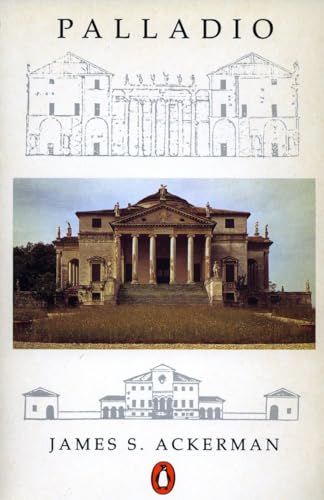
This essential scholarly work provides the definitive context for understanding Palladio's architectural principles and his enduring influence on Western design. It is the perfect intellectual companion for anyone captivated by the structural beauty and historical significance showcased in Giaconi's photography.

De Botton explores the philosophy of architecture and how our environments shape our well-being, mirroring the appreciation for harmonious design found in Palladio's villas. It elevates the conversation from mere building appreciation to a profound reflection on the emotional impact of our surroundings.

by Ross King
Like the study of Palladio's villas, this book offers a deep, immersive look into the genius behind Italian architectural marvels. It combines rigorous historical research with a narrative style that makes the engineering challenges of the Renaissance feel as dramatic as any novel.

Wharton's classic, beautifully illustrated exploration of Italian landscape design provides a perfect aesthetic partner to the study of Palladian villas. Her elegant prose captures the atmosphere and grandeur of these historic estates with the same reverence for beauty seen in Giaconi's work.

Prefer to listen?
Try Audible and hear the story instead of reading it.
As an Amazon Associate, we earn from qualifying purchases.

by John Ruskin
A monumental work of architectural criticism that deeply influenced the appreciation of Venetian Gothic and Renaissance styles. Readers who enjoy the historical weight and visual splendor of Palladian architecture will appreciate Ruskin's passionate and detailed observations of the region's built environment.
This book offers a more theoretical and contemporary look at how Palladio's influence has rippled through centuries of architectural practice. It is an ideal follow-up for readers who want to understand the 'why' and 'how' behind the enduring legacy of the villas.
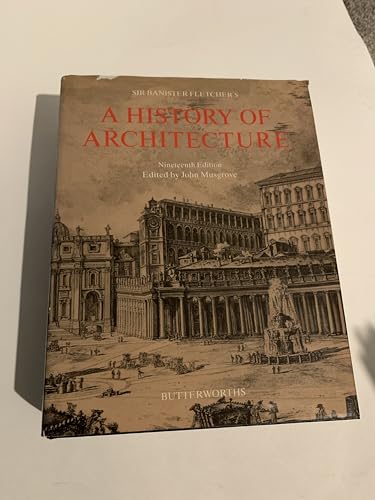
Regarded as the 'bible' of architectural history, this comprehensive volume provides the broader context in which Palladio's work sits. It is an indispensable resource for readers who want to see how the villas fit into the grander timeline of global architectural evolution.

To truly understand the villas of the Veneto, one must understand the culture and power of the Venetian Republic that commissioned them. This historical narrative provides the essential socio-political backdrop that explains the wealth and ambition behind Palladio's projects.
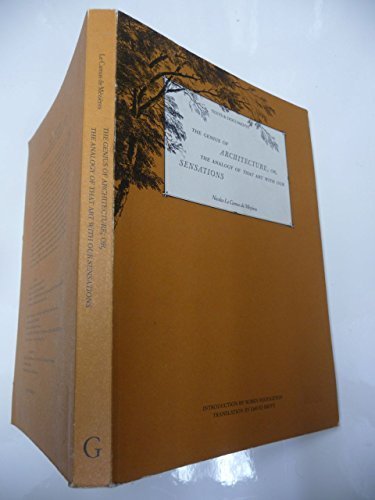
by Nicolas Le Camus de Mézières
This classic treatise on architectural theory explores the sensory and emotional experience of space, which resonates with the deliberate, harmonious proportions of Palladian design. It offers a fascinating historical perspective on how architects intended their buildings to be felt, not just seen.
Tavernor expertly traces how Palladio's specific design language became the standard for Western architecture from England to America. It is a compelling read for those who want to see how the villas in Giaconi's book shaped the world far beyond the Italian countryside.

Love to read on the go?
Explore Kindle e-readers and take your books with you.
As an Amazon Associate, we earn from qualifying purchases.
As an Amazon Associate, we earn from qualifying purchases.