

Based on your book
The Way Home
by Boyle, Mark
Mark Boyle took a radical leap: he moved to a small plot of land in rural Ireland to live without electricity, running water, or modern technology. This is not a polished manual on homesteading, but a raw, honest look at the friction between human ambition and the realities of the natural world. Boyle writes with a sharp, philosophical edge, constantly questioning why we trade our autonomy for the hollow comforts of the digital age. The pace is slow and deliberate, mirroring the physical labor required for his daily survival. Expect to feel the dampness of the soil and the ache of his muscles as he grapples with isolation and the true cost of independence. This book is for anyone who has ever looked at their smartphone or a grocery store shelf and felt a profound, lingering sense of detachment.
10 Books similar to 'The Way Home'
The books selected here act as a roadmap for those who want to examine the intersection of human history and our fragile connection to the earth. If you appreciated the way Boyle strips away the noise of modern life, these titles will deepen your exploration of self-reliance and environmental ethics. Whether you are interested in the practical grit of homesteading or the philosophical critique of consumerism, these authors provide the context necessary to understand why so many are choosing to step off the treadmill of modern civilization.
As an Amazon Associate, we earn from qualifying purchases.

As the foundational text for the voluntary simplicity movement, Thoreau's account of his time living in a cabin near Walden Pond mirrors Mark Boyle's own experiment in self-reliance. Both authors provide deep, philosophical meditations on the necessity of stripping away modern distractions to truly live.

by Mark Sundeen
This biography of Daniel Suelo, who lived for over a decade without using currency, serves as a perfect companion piece to Boyle's work. It explores similar themes of anti-consumerism and the radical freedom found in rejecting the mainstream economic system.

Kimmerer blends indigenous wisdom with scientific knowledge to explore our relationship with the natural world, much like Boyle's focus on reconnecting with the land. Readers who appreciated the environmental ethos and slow-living philosophy of 'The Way Home' will find this deeply resonant.

by Jon Krakauer
Krakauer's investigation into Christopher McCandless's journey into the Alaskan wilderness captures the same desire to escape societal expectations that drives Boyle. While the outcomes differ, both books examine the intense psychological and physical challenges of rejecting modern civilization.

Prefer to listen?
Try Audible and hear the story instead of reading it.
As an Amazon Associate, we earn from qualifying purchases.

Kingsolver chronicles her family's year of eating only locally grown food, highlighting the logistical and emotional realities of reconnecting with food sources. It shares Boyle's commitment to sustainability and the practical, gritty challenges of living closer to the earth.

Berry provides a seminal critique of industrial agriculture and the disconnection between humans and the land. Fans of Boyle's philosophical arguments against modern convenience will appreciate Berry's eloquent, intellectual defense of agrarian values and community.

Strayed's memoir of hiking the Pacific Crest Trail captures the physical hardship and spiritual transformation that often accompany a retreat into nature. It shares the 'fish out of water' feeling of leaving behind a chaotic life to find clarity in the wilderness.
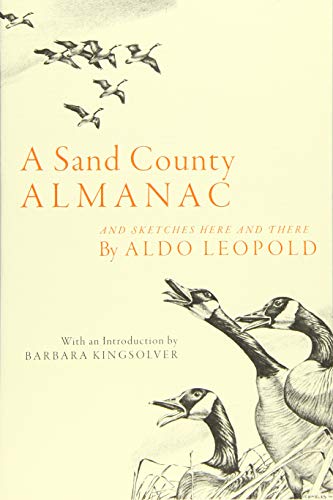
by Aldo Leopold
Leopold's classic collection of essays on conservation and land ethics provides the ecological backbone for the kind of lifestyle Boyle attempts to lead. It is essential reading for anyone interested in the philosophical intersection of humanity and the natural environment.

by Daniel Quinn
Through a Socratic dialogue between a man and a telepathic gorilla, this novel challenges the fundamental myths of modern civilization. It provides the same radical, perspective-shifting critique of human history and consumption that permeates Boyle's writing.

by Helen Nearing and Scott Nearing
This classic account of the Nearings' move to Vermont in the 1930s to live a self-sufficient life is the blueprint for the modern homesteading movement. It mirrors Boyle's practical experiments and his desire to escape the 'rat race' in favor of a simpler, more deliberate existence.

Love to read on the go?
Explore Kindle e-readers and take your books with you.
As an Amazon Associate, we earn from qualifying purchases.
As an Amazon Associate, we earn from qualifying purchases.