

Based on your book
The Way We Never Were
by Coontz, Stephanie
Stephanie Coontz takes a scalpel to our collective nostalgia, systematically dismantling the myth of the traditional 1950s nuclear family. She argues that the idealized American household we constantly strive to emulate never actually existed in the way we imagine, and that trying to force modern life into that narrow, historical box is doing us more harm than good. The experience of reading this is like sitting through a brilliant, no-nonsense lecture from a professor who values evidence over sentiment. It is dense, analytical, and deeply refreshing for anyone who feels exhausted by political rhetoric about family values. If you are the type of reader who enjoys peeling back the layers of cultural myths to see the messy, complex, and much more interesting reality underneath, this book will fundamentally change how you look at your own dinner table.
10 Books similar to 'The Way We Never Were'
Since you enjoyed Coontz's commitment to exposing the gap between cultural mythology and lived experience, these selections were curated to further that exploration. Whether you are interested in the sociology of emotional labor, the economic pressures on the working class, or the historical construction of gender roles, these authors share a similar analytical rigor. We have chosen these titles because they mirror the same desire to challenge the status quo, focusing on how systemic power and economic structures quietly dictate the private, intimate moments of our daily lives.
As an Amazon Associate, we earn from qualifying purchases.
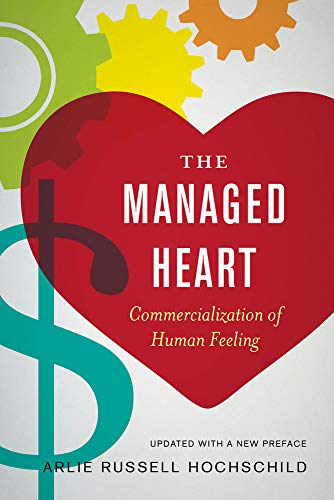
Like Coontz, Hochschild masterfully dissects the hidden sociological forces shaping our personal lives and family dynamics. This book provides a rigorous, eye-opening analysis of how economic structures infiltrate our emotional labor and intimate relationships.

Ehrenreich mirrors Coontz's commitment to exposing the harsh realities behind American myths, specifically regarding the economy and the working class. Her investigative approach strips away the veneer of the 'American Dream' to reveal the systemic struggles families actually face.

This foundational text shares Coontz's mission to challenge the idealized, restrictive image of the 1950s housewife. Readers who appreciated Coontz's historical deconstruction of gender roles will find this book essential for understanding the origins of those cultural expectations.
While more academic, this work aligns with Coontz's interest in how historical narratives are constructed and who gets left out of the 'traditional' story. It offers a similar deep dive into the lives of ordinary people during a transformative era of American history.

Not sure what they've already read?
Let them pick their next favorite with an Amazon Gift Card.
As an Amazon Associate, we earn from qualifying purchases.

Lareau provides a sociological look at how class shapes parenting strategies, serving as a perfect companion to Coontz's work on the diversity of family structures. It challenges the notion of a 'one-size-fits-all' American childhood with rigorous, observational research.

For readers who loved the author's voice and methodology in 'The Way We Never Were,' this is the natural next step. It expands on her central thesis by tracing the evolution of marriage from a property arrangement to a love-based institution, debunking more historical myths along the way.

This book directly addresses the 'stalled revolution' in the American home, providing the same kind of myth-busting analysis Coontz applies to broader family history. It is an essential read for anyone interested in the intersection of gender, labor, and domestic life.
This work complements Coontz by focusing on the specific political and legal mechanisms that constructed the 'ideal' domestic life. It provides the historical scaffolding for the arguments Coontz makes about the artificiality of the 1950s family model.

Desmond's deeply researched narrative exposes the fragility of the American family unit under the pressure of the housing crisis. Like Coontz, he uses rigorous data to challenge comfortable narratives about how the American economy supports—or fails to support—families.

Mitford shares Coontz's sharp, investigative wit and her desire to expose the commercialization of sacred American institutions. By deconstructing the funeral industry, she reveals how cultural traditions are often manufactured to serve economic interests, much like the 'traditional' family Coontz describes.

Prefer to listen?
Try Audible and hear the story instead of reading it.
As an Amazon Associate, we earn from qualifying purchases.
As an Amazon Associate, we earn from qualifying purchases.