

Based on your book
The Well-Educated Mind
by Bauer, Susan Wise
Susan Wise Bauer does not just offer a reading list; she provides a blueprint for reclaiming your own intellect. This book breaks down the mechanics of reading the Great Books, shifting the process from a passive hobby into an active, analytical conversation with the greatest minds in history. You will find the tone here to be rigorous yet encouraging, acting as a patient tutor who assumes you are capable of tackling difficult texts. It is structured to help you build a personal curriculum, guiding you through fiction, autobiography, history, and science with practical tools for note-taking and deep comprehension. This is for the reader who feels overwhelmed by the modern noise of digital consumption and misses the challenge of a truly demanding book. If you want to move beyond superficial skimming and actually sharpen your capacity for critical thought, this is your manual.
10 Books similar to 'The Well-Educated Mind'
Since you are looking to build a more intentional relationship with your bookshelf, these selections were curated to deepen that pursuit. We chose these titles because they share a commitment to the discipline of the mind, moving past simple entertainment to explore how literature shapes our moral character and civic life. Whether you are interested in the classical foundations found in the work of Hutchins and Adler, or the more reflective, personal essays by writers like Maria Popova and Alan Jacobs, each book here reinforces the idea that reading is a transformative, lifelong practice.
As an Amazon Associate, we earn from qualifying purchases.
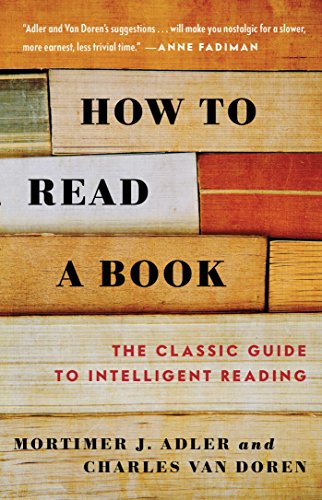
This is the foundational text that heavily influenced Bauer's approach to classical reading and critical analysis. It provides the essential methodology for moving beyond passive reading to active, intellectual engagement with complex texts.

Like Bauer's work, this book serves as a guide for those seeking to cultivate a disciplined, meaningful life of the mind. It offers profound wisdom on the habits and spiritual dedication required to pursue deep learning.

Prose provides a masterclass in reading closely, much like the techniques Bauer advocates for in her guide. It bridges the gap between the reader and the author, teaching you to appreciate the mechanics of great literature.
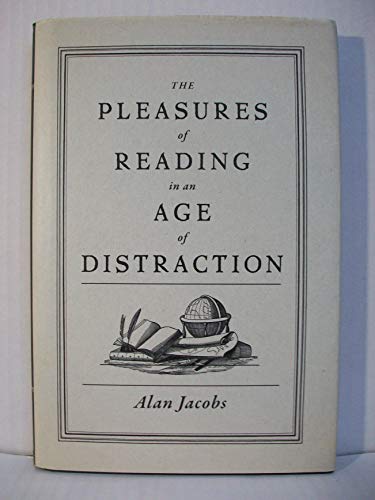
by Alan Jacobs
Jacobs shares Bauer's concern about the loss of deep reading habits in the modern era and offers a defense of reading for enjoyment and wisdom. It is a gentle, persuasive argument for why we should reclaim our attention spans.

Love to read on the go?
Explore Kindle e-readers and take your books with you.
As an Amazon Associate, we earn from qualifying purchases.
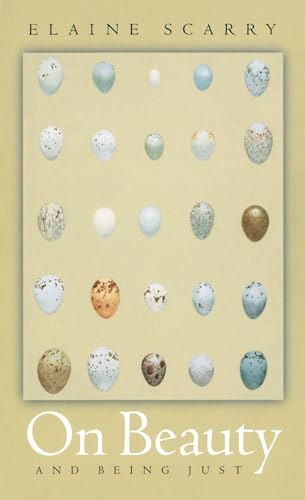
This book explores the deep connection between the appreciation of beauty in art and literature and our capacity for justice. It resonates with Bauer's belief that reading great books fundamentally shapes our moral and civic character.
by Dan Hitz
While this is a more modern exploration of the 'great books' tradition, it mirrors Bauer's interest in how classical narratives speak to the human condition across centuries. It encourages readers to engage with difficult texts to understand their own lives.

Hutchins was a primary architect of the Great Books movement, and this volume serves as the philosophical bedrock for the type of education Bauer promotes. It is essential reading for anyone wanting to understand the history of the Western canon.

by Louise Cowan
This anthology provides a structured, guided tour through the essential texts of Western literature, functioning as a perfect companion to the methodology Bauer outlines. It helps readers contextualize and appreciate the 'Great Books' in a manageable way.

This short essay is the seminal text that revived the classical education movement, which heavily informs Bauer's pedagogical philosophy. It is a brilliant, concise argument for teaching students how to think rather than what to think.

by Maria Popova
Popova's collection of letters celebrates the transformative power of reading, echoing Bauer's sentiment that books are not just information, but life-altering experiences. It captures the emotional and intellectual journey of becoming a lifelong reader.

Not sure what they've already read?
Let them pick their next favorite with an Amazon Gift Card.
As an Amazon Associate, we earn from qualifying purchases.
As an Amazon Associate, we earn from qualifying purchases.