

Based on your book
The Will to Change
by hooks, bell
bell hooks does not just critique patriarchy; she dissects how it hollows out the emotional lives of men from boyhood onward. This book explores the cost of the masculine performance, arguing that the demand for stoicism and dominance creates a profound, systemic loneliness. The reading experience is clinical yet deeply tender, balancing sharp sociological analysis with a genuine hope for radical healing. It feels like a long, quiet conversation with a teacher who is both incredibly demanding and fiercely protective of your potential for growth. You will find yourself pausing frequently to process how these cultural scripts have shaped your own relationships. This is an essential text for anyone—regardless of gender—who wants to understand how we can reclaim the capacity for intimacy and vulnerability in a society that too often rewards coldness.
10 Books similar to 'The Will to Change'
If this exploration of emotional liberation resonated with you, these titles offer a roadmap for further investigation. We selected these works because they bridge the gap between the theoretical roots of patriarchy and the tangible, lived experience of reclaiming one's humanity. Whether you are looking for the psychological science behind emotional repression found in The Body Keeps the Score, or the raw, personal accounts of unlearning masculine conditioning in works like Man Enough, these books collectively examine the power dynamics that stifle connection and offer practical paths toward a more authentic, compassionate way of being.
As an Amazon Associate, we earn from qualifying purchases.

by bell hooks
As a foundational companion to 'The Will to Change,' this book expands on hooks' philosophy of love as an action rather than a feeling. It provides the necessary emotional framework for understanding the healing potential of love in a patriarchal society.

by Lewis Howes
Howes explores the various 'masks' men wear to hide their true selves, mirroring hooks' analysis of how patriarchal conditioning stifles emotional expression. It serves as a practical, modern-day exploration of the same themes found in 'The Will to Change.'

Baldoni shares his personal journey of breaking free from traditional masculine expectations, offering a vulnerable, first-person narrative that complements the theoretical framework of bell hooks. It is a raw look at the cost of performing masculinity.

Solnit provides a sharp, analytical look at the power dynamics between genders, offering the broader societal context that hooks argues is essential for understanding masculine behavior. It is a crucial text for anyone interested in the structural roots of gender inequality.

Love to read on the go?
Explore Kindle e-readers and take your books with you.
As an Amazon Associate, we earn from qualifying purchases.

Perry offers a witty and insightful examination of the 'default' male identity, challenging the rigid structures that prevent men from living authentic lives. His perspective aligns perfectly with hooks' call for a more compassionate and open definition of manhood.

While a work of fiction, this classic novel profoundly explores the psychological toll of societal expectations and the struggle for identity in a world that refuses to see the protagonist. It echoes the deep, systemic alienation that hooks identifies as a consequence of patriarchal and racial structures.

Adichie’s essay eloquently argues that feminism is a human issue, not just a women's issue, which directly supports hooks' argument that patriarchy harms men as well as women. It is a concise, powerful entry point into the necessity of dismantling gender hierarchies.

by Leonard Sax
Sax examines the crisis of young men in modern society, looking at the cultural and educational factors that contribute to their detachment. It provides a data-driven look at the 'lost' generation that hooks discusses in her more theoretical work.
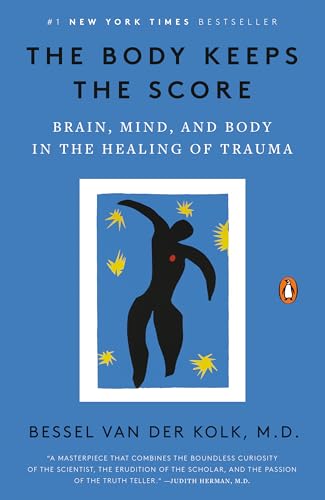
This book explains how trauma is stored in the body and mind, offering a scientific basis for the emotional repression hooks describes in men. It is essential reading for understanding the physiological roots of the 'emotional numbness' that patriarchy demands.

Bradshaw provides a therapeutic look at the toxic shame that often underlies masculine aggression and emotional withdrawal. It offers the practical steps for emotional healing that are implied but not fully detailed in hooks' sociological critique.

Not sure what they've already read?
Let them pick their next favorite with an Amazon Gift Card.
As an Amazon Associate, we earn from qualifying purchases.
As an Amazon Associate, we earn from qualifying purchases.