

Based on your book
The Witness Wore Red
by Musser, Rebecca
Rebecca Musser spent her youth inside the FLDS, a polygamous sect where silence was mandatory and obedience to Warren Jeffs was absolute. This memoir is not just a recounting of those restrictive years; it is a meticulous, unflinching record of how she eventually broke through the programming to reclaim her life. The reading experience is heavy and claustrophobic, pulling you into the psychological machinery of a high-control group where every personal choice is monitored. Musser writes with a sharp, resilient clarity that makes her eventual testimony against the church leadership feel like a visceral victory. This is a challenging read that demands a lot from the reader emotionally, but it is essential for anyone interested in the mechanics of survival, the slow process of deprogramming, and the immense cost of reclaiming one's own voice after years of forced suppression.
10 Books similar to 'The Witness Wore Red'
When you finish Musser's story, you might find yourself wanting to further explore the anatomy of high-control groups and the resilience required to walk away from them. Our curated list connects you with other survivors and researchers who have dismantled the structures of religious patriarchy and extreme isolation. Whether you are seeking the legal context of the FLDS, the psychological patterns of cultish language, or the raw, personal accounts of those leaving insular communities, these titles offer a bridge between Musser's specific experience and the broader, universal struggle for individual autonomy.
As an Amazon Associate, we earn from qualifying purchases.

Like Rebecca Musser, Carolyn Jessop provides a harrowing, firsthand account of escaping the FLDS church. Both books offer a chilling look at the systemic abuse within polygamous cults and the immense courage required to break free.

This memoir chronicles a woman's journey from a survivalist, isolated upbringing to academic success, mirroring Musser's struggle to reclaim her identity after leaving an oppressive, insular community. It is a powerful exploration of the cost of leaving one's family and belief system behind.

by Elissa Wall
Elissa Wall, another key figure in the prosecution of Warren Jeffs, tells her story of being forced into marriage as a minor. Fans of Musser's testimony will find this an essential companion piece that details the legal and personal battle against the FLDS leadership.

by Jon Krakauer
While this is a journalistic investigation rather than a memoir, it provides the broader historical and theological context for the fundamentalist Mormon sects that Musser escaped. It is perfect for readers who want to understand the 'why' behind the cult's extreme practices.

Love to read on the go?
Explore Kindle e-readers and take your books with you.
As an Amazon Associate, we earn from qualifying purchases.

Feldman's memoir about leaving the Satmar Hasidic community in Brooklyn shares the same themes of stifling religious patriarchy and the difficult, lonely path to independence. It resonates with Musser's experience of realizing that the world she was born into was not the only reality.
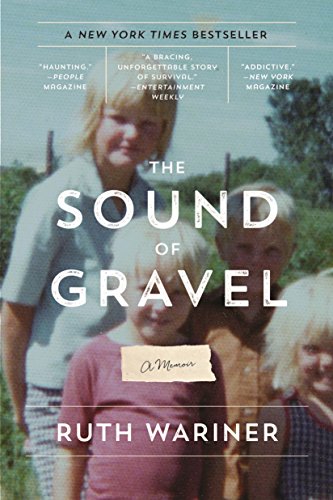
by Ruth Wariner
This memoir details the author's life growing up in a polygamous colony in Mexico, offering a similar perspective on the confusion and control experienced by children in these environments. It captures the struggle for normalcy in a world designed to suppress it.
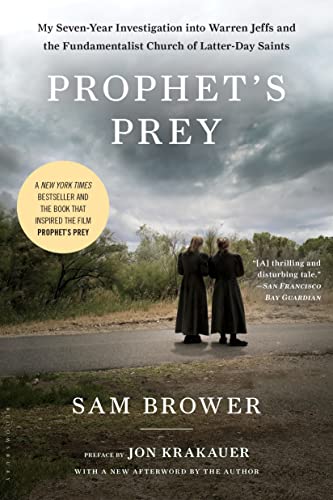
by Sam Brower
Written by the private investigator who helped bring Warren Jeffs to justice, this book provides a detailed, investigative look at the crimes Musser testified about. It offers a complementary, external view of the same events described in *The Witness Wore Red*.

Though the religion is different, the mechanics of control, isolation, and the eventual, dangerous escape are strikingly similar to Musser's experience. It is a compelling read for those interested in the psychology of high-control groups.

by Amber Scorah
Scorah recounts her life as a Jehovah's Witness and the profound loss of community she faced upon leaving. Readers who appreciated Musser's bravery in speaking out against her former faith will find Scorah's intellectual and emotional journey deeply relatable.

This book analyzes the specific language and rhetorical tactics used by cults and high-control groups to manipulate members. It provides a fascinating, analytical lens through which to view the experiences Musser details in her memoir.

Not sure what they've already read?
Let them pick their next favorite with an Amazon Gift Card.
As an Amazon Associate, we earn from qualifying purchases.
As an Amazon Associate, we earn from qualifying purchases.