

Based on your book
The World for Sale: Money, Power and the Traders Who Barter the Earth's Resources
by Javier Blas and Jack Farchy
Most of us go through life assuming the price of gas or the copper in our phones is determined by transparent market forces. Blas and Farchy dismantle that illusion by introducing the private, hyper-competitive world of commodities traders. These individuals operate in the shadows, moving oil, grain, and metals across borders with a level of influence that often dwarfs sovereign nations. The book moves with the pace of a slow-burn thriller, focusing on the ruthless personal ambition and the sheer audacity required to operate in conflict zones or under the noses of regulators. It is a dense, eye-opening account of how the global economy is actually built. If you enjoy peeling back the layers of complex systems to see the flawed, human hands pulling the levers, this is essential reading.
10 Books similar to 'The World for Sale: Money, Power and the Traders Who Barter the Earth's Resources'
The books selected here share that same fascination with the mechanics of power and the characters who thrive where transparency goes to die. Whether it is the high-stakes risk of financial scandals or the grey areas of international arms dealing, these titles explore how unchecked ambition maneuvers through global infrastructure. We chose these specific reads because they bridge the gap between dry economic theory and the visceral, often messy reality of how wealth is concentrated. If you appreciated the moral ambiguity of the trading floor, these stories offer a similar look at the figures who operate behind the curtain.
As an Amazon Associate, we earn from qualifying purchases.
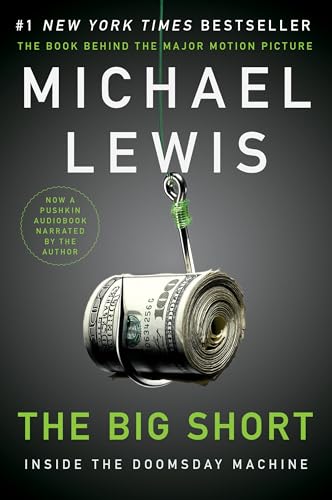
Like 'The World for Sale', this book pulls back the curtain on a complex, opaque financial industry, exposing the eccentric and often ruthless characters who profit from systemic instability. It shares the same investigative rigor and ability to make dense financial mechanics feel like a high-stakes thriller.

This book provides a deep dive into the intersection of corporate power and global geopolitics, mirroring the way commodities traders navigate the volatile relationships between nations and resources. Readers interested in the shadowy history of the oil trade will find this an essential companion piece.

While focused on tech rather than commodities, this investigative masterpiece captures the same 'hidden world' atmosphere and the moral bankruptcy that can occur when unchecked ambition meets vast sums of money. It is a gripping look at how charismatic individuals can manipulate global systems.

This is the definitive history of the oil industry and serves as a foundational text for understanding the resource-driven world described in 'The World for Sale'. It offers a sweeping, epic perspective on how energy commodities have shaped modern civilization and global power structures.

Not sure what they've already read?
Let them pick their next favorite with an Amazon Gift Card.
As an Amazon Associate, we earn from qualifying purchases.

Focusing on the Wall Street insider trading scandals of the 1980s, this book details the same kind of secretive, high-stakes maneuvering seen among the commodities traders in Blas and Farchy's work. It is a masterclass in investigative journalism that exposes the dark side of financial markets.

This book explores the aggressive and often borderline-illegal strategies used by hedge funds to dominate the market, echoing the 'do whatever it takes' ethos of the commodities traders. It provides a tense, fast-paced look at the cat-and-mouse game between regulators and financial titans.
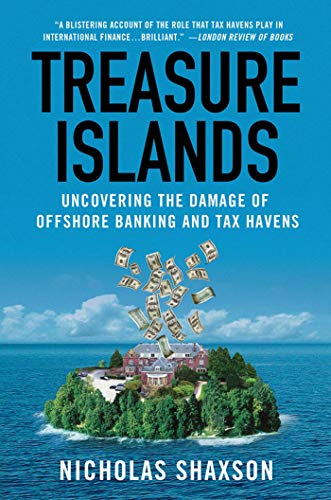
Shaxson exposes the secretive world of tax havens and offshore finance, which is the essential plumbing that allows the commodity traders in 'The World for Sale' to operate. It is a crucial read for understanding the global financial architecture that keeps wealth hidden from public view.

By examining the rise of high-frequency trading, Lewis reveals how technology and secrecy have fundamentally altered the fairness of financial markets. Fans of the commodities trading world will appreciate this similar focus on how obscure, high-tech advantages create massive, hidden power.

by Douglas Farah and Stephen Braun
This book follows the life of an arms dealer, providing a parallel to the commodities traders who operate in the grey areas of international law and conflict zones. It captures the same morally ambiguous atmosphere where global resources and power intersect with dangerous characters.

Lewis investigates the financial crises across various nations, providing a macro-level view of how economic systems collapse and who benefits from the fallout. It shares the same 'observational' tone and keen eye for the absurdities of global finance found in 'The World for Sale'.

Prefer to listen?
Try Audible and hear the story instead of reading it.
As an Amazon Associate, we earn from qualifying purchases.
As an Amazon Associate, we earn from qualifying purchases.