

Based on your book
The World of Future Star Travel
by gatland, kenneth & Jeffries, david
Gatland and Jeffries offer a fascinating look at the mid-century mindset regarding our trajectory into the cosmos. Rather than focusing solely on the hardware, the authors engage in a broad cultural and technical analysis of how humanity might realistically transcend its planetary boundaries. The writing is clinical yet deeply optimistic, capturing a specific era of intellectual curiosity where the stars felt like a tangible, immediate destination. As you read, you feel the weight of historical ambition meeting the cold, hard logic of engineering. It is an observational deep dive that functions as both a time capsule of space-age dreams and a serious inquiry into the physics of long-term migration. This is an ideal pick for readers who appreciate the intersection of speculative science and historical social commentary, particularly those who enjoy seeing how past generations envisioned our current technological reality.
10 Books similar to 'The World of Future Star Travel'
If the technical ambition of this book left you wanting more, our selection of titles focuses on bridging that gap between mid-century idealism and modern reality. We have curated these works to highlight the persistent tension between human curiosity and the harsh physics of the void. Whether you are interested in the rigorous engineering roadmaps found in The Case for Mars and The Starflight Handbook, or the human-centric historical context provided by The Right Stuff and Hidden Figures, these books expand on the themes of exploration, ingenuity, and the profound psychological shift of leaving Earth behind.
As an Amazon Associate, we earn from qualifying purchases.
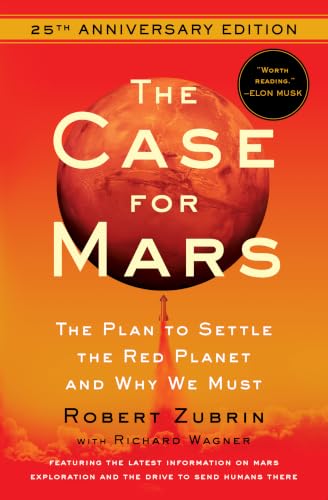
Like Gatland and Jeffries' work, this book provides a rigorous, technically grounded vision of how humanity can achieve interplanetary travel. It balances speculative engineering with a passionate argument for the necessity of space exploration, perfect for readers interested in the mechanics of future missions.

by Carl Sagan
Sagan shares the same optimistic and visionary spirit found in early space age literature, connecting the technical possibility of space travel to our philosophical place in the universe. It serves as a beautiful, reflective companion to speculative non-fiction about our cosmic future.

by Tom Wolfe
While more narrative-driven, this classic captures the intense, high-stakes atmosphere of the early space race that defined the era of Gatland and Jeffries. It provides the human context behind the technical achievements of rocket science and astronaut training.

by Mary Roach
This book takes the technical curiosity of 'The World of Future Star Travel' and adds a layer of wit and behind-the-scenes reality. It explores the bizarre, practical challenges of human spaceflight that older speculative books often glossed over.

Not sure what they've already read?
Let them pick their next favorite with an Amazon Gift Card.
As an Amazon Associate, we earn from qualifying purchases.

by Eugene Mallove and Gregory Matloff
This is the spiritual successor to the technical speculation found in Gatland's work, diving deep into the physics and engineering of interstellar propulsion. It is essential reading for anyone who wants to move from the 'why' of space travel to the 'how'.

This book provides the essential historical context that powered the dreams of future star travel described in mid-century literature. It highlights the brilliant minds who solved the complex mathematics required to make the space age a reality.

Zubrin continues the tradition of visionary space advocacy, outlining a roadmap for humanity to become a multi-planetary species. Readers who enjoyed the speculative, forward-looking nature of Gatland and Jeffries will appreciate this detailed blueprint for the future.

For readers who want to see how the predictions made in books like 'The World of Future Star Travel' compare to the actual historical timeline, this is an excellent, grounded overview. It bridges the gap between the dreams of the past and the reality of modern aerospace.

by Frank White
This book explores the psychological and philosophical shift experienced by astronauts, a theme often touched upon in speculative space literature. It complements technical books by focusing on the profound human impact of viewing Earth from space.
This gripping account of Yuri Gagarin’s flight captures the same sense of awe and danger that permeated the mid-century space literature. It grounds the reader in the immediate, visceral experience of the early days of space travel.

Prefer to listen?
Try Audible and hear the story instead of reading it.
As an Amazon Associate, we earn from qualifying purchases.
As an Amazon Associate, we earn from qualifying purchases.