
Based on your book
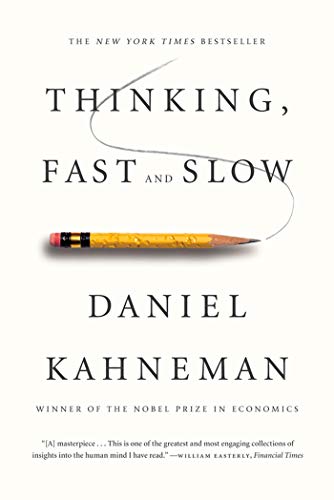
Thinking, Fast and Slow
by Kahneman, Daniel
Daniel Kahneman spent his career unraveling the two distinct modes of thought that govern our lives: the lightning-fast, intuitive System 1 and the effortful, logical System 2. This book is a masterclass in self-awareness, exposing the systematic errors and cognitive biases that color our judgment even when we think we are being perfectly rational. Reading it feels like having your brain disassembled and put back together in front of you. It is dense, deliberate, and deeply rewarding, demanding your full attention as it challenges your most basic assumptions about human nature. You will not finish this book feeling smarter in a traditional sense, but you will feel significantly more cautious about trusting your own gut. It is essential reading for anyone who wants to peer behind the curtain of their own psyche and understand why we act against our own best interests.
10 Books similar to 'Thinking, Fast and Slow'
Since you enjoyed the intellectual rigor and psychological exploration of Kahneman, these ten books act as a roadmap for applying his theories to the messy reality of everyday life. We curated this list to bridge the gap between abstract behavioral science and practical decision-making. Whether you want to master the art of negotiation, understand why we cling to wrongheaded beliefs, or learn to navigate uncertainty with a poker player's mindset, these selections maintain that same analytical spirit. They turn the lens of social commentary inward, helping you refine your own judgment in an irrational world.
As an Amazon Associate, we earn from qualifying purchases.

by Dan Ariely
This book serves as a perfect companion to Kahneman's work, exploring the hidden forces that shape our decisions with a similarly accessible and evidence-based approach. Ariely masterfully deconstructs why we make illogical choices, making it essential reading for anyone fascinated by behavioral economics.
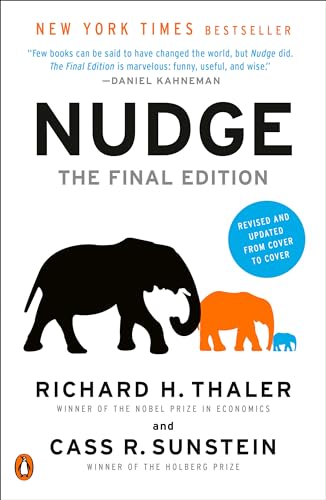
by Richard H. Thaler and Cass R. Sunstein
Building on the cognitive biases identified by Kahneman, this book offers practical applications for how 'choice architecture' can improve our decisions. It is a logical next step for readers who want to understand how psychological insights can be applied to policy and personal life.
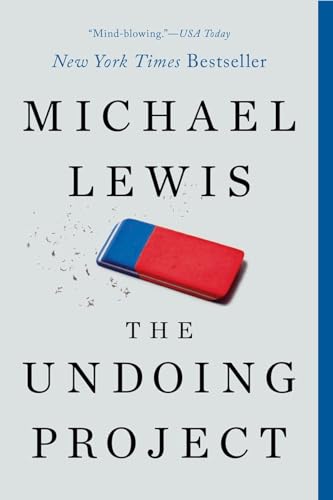
This narrative non-fiction book tells the fascinating story of the partnership between Daniel Kahneman and Amos Tversky, the architects of the theories in 'Thinking, Fast and Slow.' It provides the human context and dramatic history behind the scientific breakthroughs that changed how we understand the human mind.

Gladwell explores the 'fast' thinking system described by Kahneman, focusing on the power of snap judgments and intuition. It is highly readable and perfect for fans who enjoyed the exploration of how our brains process information rapidly and often unconsciously.

Not sure what they've already read?
Let them pick their next favorite with an Amazon Gift Card.
As an Amazon Associate, we earn from qualifying purchases.

by Carol Tavris and Elliot Aronson
This book delves deep into the psychology of self-justification and cognitive dissonance, explaining why we struggle to admit when we are wrong. It complements Kahneman's work by illustrating how our brains protect our egos, often at the expense of rational decision-making.
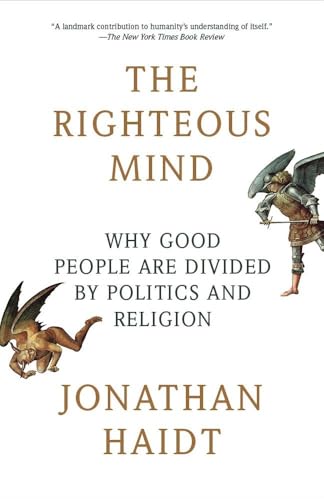
Haidt uses moral psychology to explain why people disagree so strongly on fundamental issues, moving beyond simple logic to examine the intuitive foundations of morality. Readers of Kahneman will appreciate the rigorous scientific framework applied to complex social behavior.

by Annie Duke
Written by a former professional poker player, this book applies the principles of decision science to real-world scenarios where outcomes are uncertain. It bridges the gap between Kahneman's theoretical psychology and the practical need to make better decisions under pressure.
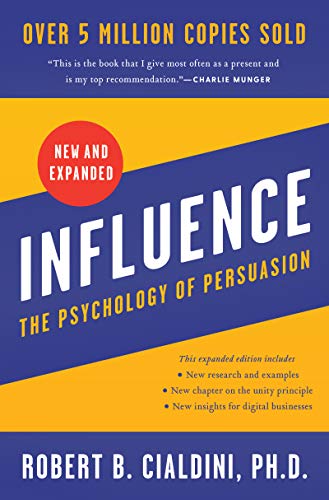
Cialdini provides a masterclass on the 'weapons of influence' that trigger automatic, unthinking responses in humans, which aligns perfectly with Kahneman's System 1 thinking. It is a classic text for anyone wanting to understand the psychological triggers that manipulate our behavior.

Taleb challenges our obsession with predictability and our tendency to ignore rare, high-impact events, echoing Kahneman's warnings about our cognitive limitations. It is a dense, provocative read that forces the reader to reconsider their understanding of risk and probability.

by Susan Cain
Cain uses extensive research to challenge cultural biases against introversion, much like Kahneman challenges biases in human judgment. It is a deeply researched, empathetic, and thought-provoking analysis of personality and social behavior.

Love to read on the go?
Explore Kindle e-readers and take your books with you.
As an Amazon Associate, we earn from qualifying purchases.
As an Amazon Associate, we earn from qualifying purchases.