

Based on your book
This Is Your Mind on Plants
by Pollan, Michael
Michael Pollan turns his investigative lens toward three specific plants—opium, caffeine, and mescaline—to dismantle our rigid assumptions about what we consider a drug versus a simple commodity. He shifts away from pure science to explore the cultural, legal, and personal boundaries we draw around our own consciousness. The book moves with a steady, inquisitive pace, balancing rigorous research with Pollan’s own willingness to experiment and observe his internal state. It feels like a long, thoughtful conversation with a friend who is obsessed with the hidden history of your morning coffee or your spice cabinet. You will walk away questioning why some substances are celebrated while others are criminalized. This is for the reader who enjoys intellectual puzzles, those who appreciate seeing the familiar world through a sharper, more analytical lens, and anyone curious about the complex, often arbitrary relationship between humanity and the natural world.
10 Books similar to 'This Is Your Mind on Plants'
Since you enjoyed how Pollan questions the intersection of biology and social policy, these picks delve deeper into those same themes. If you found his look at plant-induced consciousness enlightening, you will appreciate how Merlin Sheldrake and Peter Wohlleben reveal the secret intelligence of fungi and forests. For readers who want to push further into the cultural critique of drug prohibition, Carl L. Hart and Johann Hari offer the necessary, challenging context that frames our modern laws. These books collectively explore how our perception of nature dictates our societal structures and personal freedoms.
As an Amazon Associate, we earn from qualifying purchases.

As the spiritual predecessor to his later work, this book offers the same meticulous, immersive, and first-person investigative journalism regarding psychoactive substances. Fans of Pollan's blend of science, history, and personal experience will find this essential reading.

This classic work explores the co-evolutionary relationship between humans and plants, mirroring the thematic core of 'This Is Your Mind on Plants'. It offers the same fascinating, observational lens on how nature shapes our consciousness and culture.

Sheldrake writes with a similar sense of wonder and scientific rigor, focusing on the hidden, interconnected world of fungi. Readers who enjoyed Pollan's ability to make complex biological concepts feel deeply personal and profound will appreciate this exploration.

Kimmerer weaves together indigenous wisdom and scientific knowledge in a deeply lyrical and reflective style. Much like Pollan, she encourages a profound re-evaluation of our relationship with the natural world.

Prefer to listen?
Try Audible and hear the story instead of reading it.
As an Amazon Associate, we earn from qualifying purchases.

This seminal work sets the stage for Pollan's career-long investigation into what we consume and why. It shares the same investigative pacing and commitment to uncovering the hidden systems behind our daily habits.

by Carl L. Hart
Dr. Hart provides a provocative, science-based counter-narrative to traditional drug policy, echoing the critical eye Pollan turns toward the legal and cultural status of psychoactive plants. It is an intellectual, challenging read for those interested in drug policy reform.
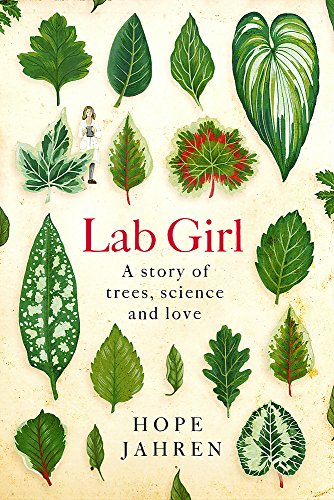
by Hope Jahren
Jahren's memoir combines the intimate details of a scientist's life with the fascinating biology of the plants she studies. It captures the same blend of personal narrative and scientific observation that defines Pollan's work.

by Johann Hari
This book offers a deep, investigative look at the history and human cost of the War on Drugs. It matches the 'This Is Your Mind on Plants' focus on how policy and perception intersect with reality, written with a gripping, narrative style.

An earlier work where Pollan explores the philosophy of gardening and our attempt to control nature. It contains the same witty, introspective voice and the specific focus on human-plant interactions that fans of his later work will recognize.

Wohlleben transforms how we perceive the forest, revealing the social networks and communication systems of trees. It shares the same sense of awe and scientific curiosity that Pollan brings to his examinations of the plant kingdom.

Love to read on the go?
Explore Kindle e-readers and take your books with you.
As an Amazon Associate, we earn from qualifying purchases.
As an Amazon Associate, we earn from qualifying purchases.