

Based on your book
This Life
by Hägglund, Martin
Martin Hagglund challenges the common assumption that eternal life is the ultimate goal of human existence. Instead, he argues that it is precisely because our time is finite and fragile that our lives hold any true value. By examining how we spend our limited hours, he moves from deep philosophical inquiry into a sharp critique of how modern labor and economic structures steal our capacity for genuine freedom. The writing is dense yet deeply human, demanding that you pause and reconsider your relationship with your own mortality. It feels less like a dry academic text and more like an urgent invitation to reclaim your time. This book is a perfect match for readers who enjoy wrestling with existential questions and those who feel the nagging suspicion that our current work-life balance is fundamentally at odds with what it means to be truly alive.
10 Books similar to 'This Life'
Since This Life functions as a bridge between high-level existential philosophy and practical, modern political critique, these selections were chosen to expand on those two pillars. If you found Hagglunds arguments regarding secular meaning and economic constraints compelling, these titles provide the foundational context. Whether you are looking for the historical roots of existentialism in Camus and de Beauvoir or the sociological reality of our modern labor crises in Graeber and Piketty, this list helps you map out the broader conversation surrounding how we define a life well-lived.
As an Amazon Associate, we earn from qualifying purchases.

by Albert Camus
Like Hägglund, Camus grapples with the inherent meaninglessness of the universe and argues that we must find value in our finite existence rather than seeking transcendence. It provides the foundational existentialist framework that informs much of Hägglund's secular argument.

Hägglund's work is deeply indebted to Heidegger's analysis of 'being-towards-death,' making this a crucial read for understanding the philosophical underpinnings of time and finitude. It offers a dense, rigorous exploration of how our awareness of mortality shapes our engagement with the world.

Beauvoir shares Hägglund's commitment to secular freedom and the responsibility of creating one's own meaning within a social context. Her rigorous analysis of how societal structures constrain individual freedom mirrors Hägglund's critique of political and religious systems.

Becker explores how the human terror of mortality drives our cultural and personal projects, a theme that resonates strongly with Hägglund's focus on how we invest our finite time. It provides a psychological counterpoint to Hägglund's philosophical secularism.

Not sure what they've already read?
Let them pick their next favorite with an Amazon Gift Card.
As an Amazon Associate, we earn from qualifying purchases.
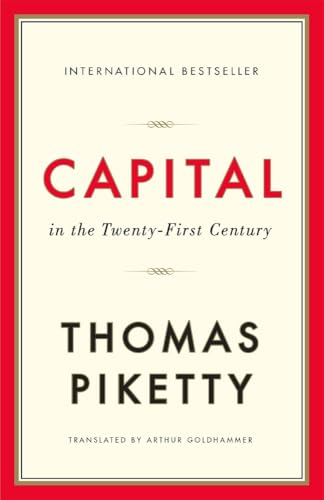
Hägglund integrates economic critique into his philosophy, and Piketty's monumental work provides the data-driven backbone for understanding the inequality that limits the 'spiritual freedom' Hägglund advocates for. It is essential reading for understanding the political economy of time.

This book provides a narrative history of the thinkers who shaped the existentialist tradition, offering a more accessible entry point into the ideas Hägglund builds upon. It captures the 'vibe' of living authentically in a world without inherent divine purpose.

Yalom, a psychiatrist, offers a practical, therapeutic approach to the same existential questions Hägglund addresses theoretically. It validates the idea that recognizing our finitude is not a source of despair, but an awakening to the richness of life.

This is perhaps the most direct companion to Hägglund's project, as it outlines an ethics based on the freedom of others and the necessity of action. It argues that we must commit to the world precisely because it is finite and uncertain.

Graeber's critique of the modern labor market aligns perfectly with Hägglund's argument that we are wasting our finite lives on meaningless work. It provides a sociological lens through which to view the 'freedom' we lack in contemporary society.

While Frankl approaches the subject from a different theological background, his core thesis—that meaning is found in how we respond to our circumstances—complements Hägglund's secular focus on agency. It is a powerful testament to finding purpose within the constraints of existence.

Prefer to listen?
Try Audible and hear the story instead of reading it.
As an Amazon Associate, we earn from qualifying purchases.
As an Amazon Associate, we earn from qualifying purchases.