

Based on your book
Threads of Empire
by Dorothy Armstrong
Threads of Empire isn't just a book about beautiful textiles; it's a brilliant, unexpected journey through world history, viewed through the lens of twelve remarkable carpets. Dorothy Armstrong skillfully pulls back the curtain on how these seemingly simple objects became potent symbols of power, status, and spiritual connection across empires and centuries. You'll find yourself engrossed in the political machinations of emperors and shahs, but also deeply moved by the stories of the anonymous weavers whose lives were intertwined with these creations. It's a rich, thought-provoking historical deep dive that feels both expansive and intimately human, offering a fresh perspective on power dynamics and cultural exchange. If you're a reader who loves uncovering the hidden stories behind grand historical events and appreciates incisive social commentary, this book will absolutely captivate you.
10 Books similar to 'Threads of Empire'
If you found yourself captivated by Threads of Empire's intricate historical deep dives and its sharp analysis of power dynamics, then our curated list offers more journeys into the heart of empire. We've gathered books that excel at depicting the relentless political machinations of ancient courts, from Rome to Tudor England, alongside nuanced portrayals of both emperors and the extraordinary individuals who shaped their worlds. You'll find narratives that peel back the layers of history, explore complex social commentary, and celebrate compelling figures navigating treacherous landscapes, much like Armstrong's fascinating exploration of history's hidden threads.
As an Amazon Associate, we earn from qualifying purchases.

For readers who loved the intricate political machinations and the detailed portrayal of the Roman imperial court in "Threads of Empire," "I, Claudius" offers a classic, witty, and deeply insightful look into the same world, narrated by an unlikely emperor. It excels in depicting the ruthless power struggles and complex family dynamics of the Julio-Claudian dynasty.

Fans of "Threads of Empire" will be drawn to this epic historical saga for its unparalleled depth of research and immersive portrayal of ancient Roman politics and society. McCullough masterfully brings to life the ambition, rivalries, and personal lives of historical figures during the tumultuous late Roman Republic, mirroring the grand scale and intricate character development.
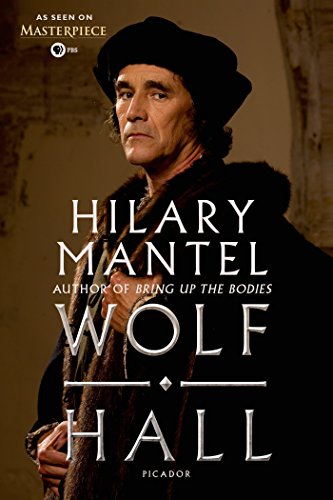
While set in Tudor England, "Wolf Hall" shares "Threads of Empire's" brilliance in depicting the psychological depth of historical figures navigating a treacherous political landscape. Readers will appreciate the intense court intrigue, the nuanced exploration of power, and the immersive, character-driven narrative style that makes history feel immediate and personal.

This masterpiece offers a reflective and philosophical deep dive into the mind of a Roman emperor, much like "Threads of Empire" explores the inner lives of its powerful characters. Readers will appreciate the intellectual rigor, the intimate first-person perspective, and the profound exploration of leadership, legacy, and the human condition within a meticulously researched historical setting.

Prefer to listen?
Try Audible and hear the story instead of reading it.
As an Amazon Associate, we earn from qualifying purchases.

Though mythological, "Circe" resonates with "Threads of Empire" through its focus on a strong female lead navigating a world dominated by powerful, often ruthless, figures. Readers will enjoy the rich, atmospheric storytelling, the themes of personal growth and resilience, and the compelling portrayal of a woman finding her power against immense odds, much like the female characters in Armstrong's work.

by Ken Follett
For those who enjoyed the sweeping scope and intricate historical detail of "Threads of Empire," "The Pillars of the Earth" delivers an equally epic saga, albeit in medieval England. It features grand ambition, political maneuvering, family sagas, and the struggles of individuals against the backdrop of significant historical change, all told with compelling narrative drive.
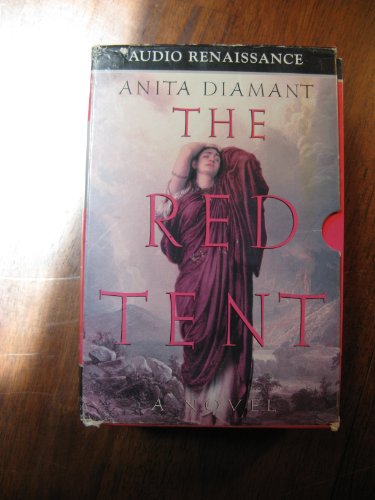
Readers who appreciated the strong female perspectives and the exploration of women's lives within a patriarchal historical context in "Threads of Empire" will find a compelling parallel in "The Red Tent." It offers an intimate and emotional portrayal of biblical women, focusing on their relationships, cultural practices, and resilience, providing a rich, character-driven historical experience.

by Emma Southon
Given "Threads of Empire's" focus on powerful Roman women like Agrippina the Elder, this non-fiction biography provides an excellent companion, offering a deeply researched and engaging look at another formidable Agrippina. It delves into the political savvy, ambition, and challenges faced by a woman wielding immense power in the Roman Empire, offering historical context and insight.

by Stella Duffy
Sharing "Threads of Empire's" fascination with powerful women in ancient empires, "Theodora" vividly brings to life the extraordinary journey of a Byzantine empress. Readers will enjoy the dramatic historical setting, the themes of ambition and resilience, and the compelling portrayal of a strong female character who rises from humble beginnings to wield immense political power.

For fans who appreciate the deep dive into the psychology of Roman leaders and the intricate historical detail of "Threads of Empire," "Augustus" presents a fictional autobiography of Rome's first emperor. It offers an intimate and compelling look at the man behind the myth, exploring his ambition, sacrifices, and the personal cost of building an empire through a masterful narrative voice.

Love to read on the go?
Explore Kindle e-readers and take your books with you.
As an Amazon Associate, we earn from qualifying purchases.
As an Amazon Associate, we earn from qualifying purchases.