

Based on your book
Three Block War
by Zeigler, Matt
Three Block War explores the brutal reality of modern urban combat where a single neighborhood might host a humanitarian mission, a peacekeeping effort, and full-scale kinetic warfare all at once. Zeigler strips away the sanitized veneer of military strategy to focus on the suffocating pressure placed on individual soldiers tasked with navigating these shifting, impossible environments. The pacing is relentless, mirroring the constant, low-level dread of patrols where an ally can become an enemy in seconds. You will feel the weight of every tactical decision and the exhaustion of soldiers forced to act as diplomats, police officers, and warriors simultaneously. This is not a book for those seeking heroic glorification; it is for readers who want to understand the moral ambiguity, political friction, and sheer physical toll of contemporary conflict. It is a stark, essential look at how war breaks down at the street level.
10 Books similar to 'Three Block War'
Since Three Block War leaves you grappling with the friction between high-level policy and the jagged reality of the front lines, these selections were chosen to deepen that specific tension. If you found Zeigler’s focus on the human cost of counterinsurgency compelling, you should turn to The Outpost or One Bullet Away to see those same leadership dilemmas played out in remote theaters. These books share a preoccupation with the psychological toll of asymmetric warfare and the breakdown of traditional military roles, offering a necessary, unvarnished look at how soldiers survive when the rules of engagement are constantly in flux.
As an Amazon Associate, we earn from qualifying purchases.

by Evan Wright
Like Zeigler's account, this book offers a raw, unfiltered look at modern warfare through the eyes of the Marines on the ground during the initial invasion of Iraq. It captures the chaotic, often absurd, and brutal reality of combat operations with a similar journalistic precision and narrative grit.

by Jake Tapper
This detailed chronicle of a remote combat outpost in Afghanistan shares the same focus on the tactical and human cost of war found in 'Three Block War.' It provides an immersive, deeply researched examination of soldiers facing overwhelming odds in complex, hostile environments.

Bellavia's memoir of the Second Battle of Fallujah provides a visceral, minute-by-minute account of urban combat that mirrors the intensity of Zeigler's subject matter. It is a harrowing, deeply personal look at the psychological and physical toll of clearing cities, block by block.

Fick's memoir offers a similar perspective on leadership and the evolving nature of warfare from the viewpoint of an officer. It aligns with Zeigler's work by exploring the intellectual and moral challenges faced by Marines navigating the gray areas of modern counterinsurgency.

Love to read on the go?
Explore Kindle e-readers and take your books with you.
As an Amazon Associate, we earn from qualifying purchases.
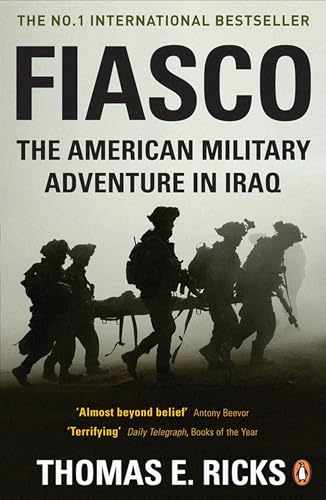
For readers interested in the broader context of the 'Three Block War' concept, Ricks provides a definitive, critical look at the strategic failures of the Iraq War. It serves as an excellent companion piece, connecting the granular experiences of soldiers to the larger political and military decisions.

Filkins combines reporting with deep narrative storytelling to capture the long-term impact of the conflicts in Iraq and Afghanistan. Fans of Zeigler's work will appreciate the way this book humanizes both the soldiers and the civilians caught in the crossfire of asymmetric warfare.

Junger embeds with a platoon in Afghanistan, stripping away the politics to focus entirely on the psychology and brotherhood of combat. It shares the 'boots on the ground' authenticity that makes 'Three Block War' so compelling for military history enthusiasts.

This investigative work explores the breakdown of a platoon in Iraq, offering a stark contrast to heroic narratives while maintaining the same focus on the reality of urban combat. It is essential reading for understanding the extreme psychological pressures that soldiers face in the 'three block' environment.

This book provides a unique angle on the Iraq War by focusing on the 'Green Zone,' highlighting the disconnect between the military reality and the political administration. It complements Zeigler's work by showing the bizarre, bureaucratic side of the same conflict.

Mullaney's memoir tracks his journey from West Point to the front lines in Afghanistan, offering a thoughtful, reflective look at the evolution of a soldier. It mirrors the personal growth and internal conflict often found in accounts of those who serve in complex, modern wars.

Not sure what they've already read?
Let them pick their next favorite with an Amazon Gift Card.
As an Amazon Associate, we earn from qualifying purchases.
As an Amazon Associate, we earn from qualifying purchases.