

Based on your book
Three Days in June
by Tyler, Anne
Anne Tyler has a rare gift for finding the extraordinary in the quiet corners of domestic life, and Three Days in June is a testament to that talent. This novel centers on a family navigating a transformative period, where the mundane rhythms of daily existence are suddenly punctuated by shifts in their emotional landscape. Tyler avoids melodrama, choosing instead to focus on the small, observational details that define how people change and how families drift apart or knit themselves back together. The pacing is deliberate and reflective, asking you to slow down and really look at the characters as they grapple with their own secrets and unspoken tensions. If you appreciate character-driven fiction that prioritizes psychological nuance over high-octane plot twists, you will find this a deeply poignant and rewarding experience.
10 Books similar to 'Three Days in June'
Since Three Days in June excels at exploring the friction between private lives and historical or external pressures, our list focuses on works that bridge that same gap. Whether you are drawn to the strategic complexities of regional conflict or the deeply human cost of large-scale events, these picks reflect the same commitment to rigorous observation. We chose these titles because they mirror the way personal growth and family dynamics are shaped by forces far larger than the individual, offering a window into how history and small-town secrets define the people we become.
As an Amazon Associate, we earn from qualifying purchases.

Like 'Three Days in June,' this is a definitive historical account that meticulously reconstructs the political and military tensions of the 1967 conflict. Readers who appreciate the strategic breakdown and the high-stakes narrative of Robbins' work will find this equally informative and gripping.

by Guy Laron
This book offers a fresh, analytical perspective on the same historical event, challenging traditional narratives with new archival evidence. It appeals to the same audience interested in the 'why' and 'how' behind the military decisions made during those pivotal days.

by Avi Shlaim
Focusing on a central figure during the 1967 conflict, this biography provides the personal and political context that complements the tactical focus of 'Three Days in June.' It is an essential read for those looking to understand the human element behind the regional warfare.

For readers who enjoyed the fast-paced, military-focused narrative of 'Three Days in June,' this account of the 1973 war offers a similar intensity and scope. It captures the chaos, heroism, and strategic shifts of a major conflict with journalistic precision.

Not sure what they've already read?
Let them pick their next favorite with an Amazon Gift Card.
As an Amazon Associate, we earn from qualifying purchases.

by Tom Segev
This book expands the lens beyond the battlefield to examine the social and cultural impact of the 1967 war on Israeli society. It provides the perfect companion piece for readers wanting to understand the aftermath and lasting legacy of the events described in Robbins' book.
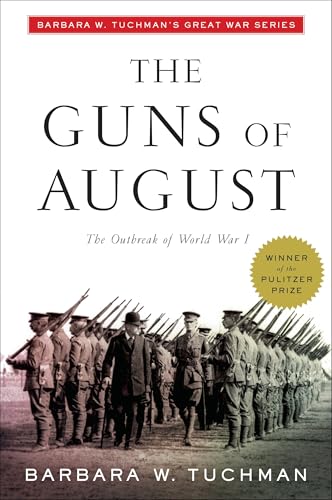
While covering a different war, Tuchman's masterpiece shares the same rigorous research and narrative flair found in 'Three Days in June.' It is the gold standard for military history, detailing how diplomatic failures and strategic miscalculations lead to total war.

This book follows the lives of specific soldiers who fought in the 1967 war, offering a deeply personal look at the long-term consequences of those three days. It bridges the gap between military history and human drama, perfect for readers seeking emotional resonance.

If you appreciated the clear, objective breakdown of the conflict in 'Three Days in June,' this concise overview provides the necessary context and timeline. It serves as an excellent reference for understanding the recurring themes of the region's history.

While fiction, this classic captures the absurdity and bureaucratic madness of military life in a way that resonates with the intense realities of wartime decision-making. Readers who enjoy dissecting the logic of war will appreciate Heller's satirical yet biting take on the military machine.

by Tom Segev
This book provides a critical look at how the memory of the Holocaust shaped the Israeli psyche and influenced the decisions leading up to the 1967 war. It is a profound, albeit heavy, read for those who want to understand the deeper motivations behind the military actions in 'Three Days in June.'

Prefer to listen?
Try Audible and hear the story instead of reading it.
As an Amazon Associate, we earn from qualifying purchases.
As an Amazon Associate, we earn from qualifying purchases.