

Based on your book
Thus Spoke Zarathustra
by Friedrich Nietzsche
Thus Spoke Zarathustra isn't a story you simply read; it's an experience you grapple with, a philosophical earthquake delivered in poetic, often ecstatic prose. Imagine a prophet, Zarathustra, descending from his mountain solitude to declare the death of old gods and the birth of a radical new vision for humanity: the Übermensch. This book is Nietzsche's passionate call to forge your own values, to embrace self-overcoming, and to create meaning in a world stripped of inherited certainties. The reading feels less like following a plot and more like engaging in a series of grand, challenging pronouncements. It's intense, demanding, and often exhilarating, meant for the reader who craves profound self-inquiry and the empowerment of philosophical rebellion.
10 Books similar to 'Thus Spoke Zarathustra'
If Nietzsche's Zarathustra resonated with your desire for radical self-discovery and the courage to question everything, you're likely drawn to books that explore similar intense philosophical terrain. We've curated titles that echo Zarathustra's journey of challenging established values, grappling with existential crises, and championing the individual's profound responsibility to create their own meaning. These recommendations offer different lenses into the human condition, all sharing that raw, thought-provoking spirit of intellectual rebellion and the relentless pursuit of personal growth.
As an Amazon Associate, we earn from qualifying purchases.

Kierkegaard, like Nietzsche, challenges conventional morality and explores the profound struggles of the individual in the face of faith and ethical dilemmas. This book delves into the story of Abraham, questioning the limits of human understanding and the 'teleological suspension of the ethical,' resonating with Zarathustra's call for self-overcoming.

by Albert Camus
Camus directly confronts the 'absurd' nature of existence, a theme deeply explored by Nietzsche through Zarathustra's rejection of external meaning. This philosophical essay, with its powerful prose, investigates the human search for meaning in a meaningless world and the embrace of life despite its inherent lack of ultimate purpose.

Hesse's novel follows a young man's quest for spiritual enlightenment and self-discovery, mirroring Zarathustra's journey of self-mastery and the rejection of conventional paths. It's a deeply philosophical narrative, presented through a compelling story, exploring themes of individualism, wisdom, and the search for one's own truth.
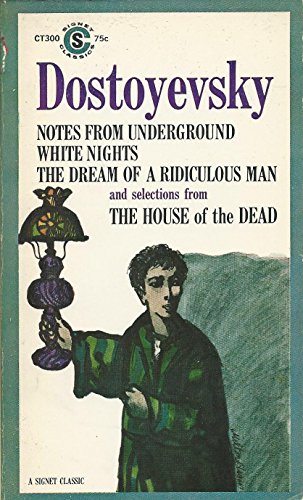
Dostoevsky's anti-hero, the Underground Man, offers a biting critique of rationalism and societal norms, much like Zarathustra's challenge to established values. This deeply psychological and philosophical novella explores the alienated individual's consciousness, delving into themes of free will, suffering, and the rejection of utopian ideals.

Prefer to listen?
Try Audible and hear the story instead of reading it.
As an Amazon Associate, we earn from qualifying purchases.
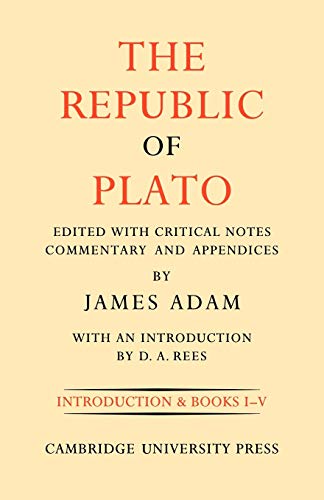
by Plato
Plato's foundational work of Western philosophy, presented as dialogues, explores profound questions of justice, the ideal society, and the nature of reality. Its intellectual rigor, grand scope, and exploration of human nature and societal structures will appeal to readers who appreciate Zarathustra's deep philosophical inquiry and critique of values.

by Carl Jung
Jung's intensely personal and visionary work documents his 'confrontation with the unconscious,' presented in a prophetic, allegorical style reminiscent of Zarathustra. It's a profound journey of self-discovery and the creation of personal mythology, exploring archetypes, symbols, and the depths of the psyche.

Emerson's essays champion individualism, intuition, and non-conformity, advocating for a radical self-trust that deeply influenced Nietzsche. Readers of Zarathustra will appreciate Emerson's empowering call to forge one's own path, reject societal pressures, and cultivate an authentic inner life.

Melville's epic novel is a grand philosophical allegory about obsession, the limits of human will, and man's struggle against nature and fate. The narrative's poetic language, deep symbolism, and Captain Ahab's relentless pursuit of his own truth resonate with Zarathustra's themes of the will to power and the revaluation of values.

Sartre's existentialist novel plunges into the mind of Antoine Roquentin, who experiences profound existential angst and the contingency of existence. Its exploration of freedom, responsibility, and the burden of consciousness, presented through an introspective and philosophical narrative, will appeal to those drawn to Zarathustra's challenging worldview.

De Beauvoir's philosophical essay delves into the complexities of existentialist ethics, exploring human freedom, responsibility, and the inherent ambiguity of existence. Like Nietzsche, she challenges readers to confront the absence of pre-given values and to actively create meaning, resonating with Zarathustra's call for self-creation.

Love to read on the go?
Explore Kindle e-readers and take your books with you.
As an Amazon Associate, we earn from qualifying purchases.
As an Amazon Associate, we earn from qualifying purchases.