

Based on your book
Transaction Man
by Lemann, Nicholas
Nicholas Lemann traces the slow-motion collapse of the American corporate social contract, showing how we drifted from a world of stable, lifetime employment to one defined by short-term deals and relentless efficiency. He grounds these massive structural shifts in the lives of three key figures, using their personal trajectories to illustrate how the pursuit of transactional optimization fundamentally reshaped our society. The reading experience is cerebral and methodical, moving with the steady pace of a long-form historical inquiry. It manages to feel both intimate and sweeping, capturing the friction between individual ambition and the cold logic of the market. This is an essential read for anyone who finds themselves questioning why modern work feels so precarious and why institutional loyalty has essentially evaporated in favor of the next big score.
10 Books similar to 'Transaction Man'
Since Transaction Man excels at connecting macroeconomic shifts to the human cost of capitalism, these titles extend that conversation into the worlds of finance, tech, and dynastic wealth. If you want to see how the deal-making mindset manifests in real-time, books like The Big Short and Barbarians at the Gate provide the narrative adrenaline to Lemann's analytical framework. Meanwhile, works from Anand Giridharadas and Patrick Radden Keefe mirror his critical eye, focusing on how power dynamics and unchecked ambition redefine the landscape of our institutions and our collective moral integrity.
As an Amazon Associate, we earn from qualifying purchases.
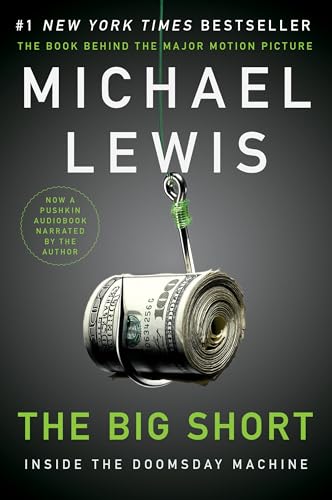
Like Lemann, Lewis masterfully dissects the structural failures of the American financial system with a narrative flair that makes complex economics accessible. Both books expose the hubris and systemic shifts that led to the erosion of traditional corporate stability.

This investigative account of the Theranos scandal mirrors Lemann's interest in the dark side of modern corporate culture and the 'transactional' nature of Silicon Valley success. It provides a gripping, real-world look at how unchecked ambition can dismantle institutional integrity.

This biography serves as a perfect companion to Lemann’s work, offering a deep dive into the architect of the modern financial era. It explores the same intersection of individual power and macroeconomic policy that defines the 'Transaction Man' paradigm.

Giridharadas critiques the same class of 'transactional' elites that Lemann examines, arguing that their efforts to improve the world often reinforce the status quo. It is an essential read for anyone interested in the sociological implications of modern capitalism.

Prefer to listen?
Try Audible and hear the story instead of reading it.
As an Amazon Associate, we earn from qualifying purchases.

While fiction, this classic captures the same American anxiety regarding wealth, identity, and the hollowness of the 'deal' that Lemann explores historically. It provides a literary lens through which to view the rise and fall of the American Dream.

by Bryan Burrough and John Helyar
This definitive account of the 1980s leveraged buyout craze provides the granular, character-driven business history that fans of Lemann’s investigative style will appreciate. It captures the exact moment when the 'transaction' became the primary engine of American business.

For readers interested in the internal logic of the financial systems Lemann critiques, this memoir offers an insider's perspective on the policies that shaped the modern economy. It provides a necessary counterpoint to the external analysis found in 'Transaction Man'.
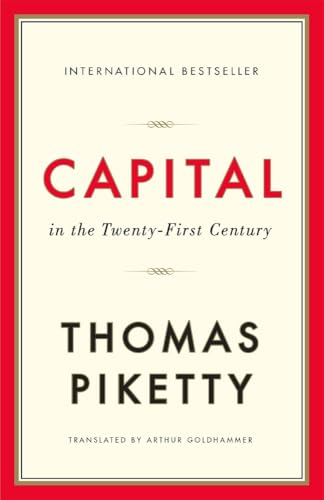
Piketty provides the rigorous, data-driven foundation for the arguments Lemann makes about inequality and the concentration of wealth. It is a dense but rewarding read for those who want to understand the long-term historical trends behind the 'transactional' era.

Keefe’s meticulous investigation into the Sackler family offers a chilling look at how corporate entities can prioritize transactional profit over human life. It matches Lemann's ability to weave complex history into a compelling, narrative-driven critique of institutional power.

Focusing on Jim Clark, this book captures the frantic, deal-making energy of the late 20th-century tech boom, illustrating the shift from stable corporations to the 'transactional' startup culture Lemann describes. It is a vivid portrait of the mindset that redefined American business.

Love to read on the go?
Explore Kindle e-readers and take your books with you.
As an Amazon Associate, we earn from qualifying purchases.
As an Amazon Associate, we earn from qualifying purchases.