

Based on your book
Umbrella
by Self, Will
Umbrella is a dense, hallucinatory journey through the mind of Audrey Death, a woman who has spent decades in a catatonic state within a London psychiatric ward. Will Self uses an uncompromising stream-of-consciousness style to bridge the gap between the early twentieth century and the 1970s, tracking the life of the psychiatrist tasked with waking her. This is not a book that holds your hand; it is a sprawling, linguistic marathon that demands your full attention as it dissects the history of industrialization, the evolution of mental health care, and the fragility of the human ego. You should pick this up if you enjoy literature that functions like a puzzle, favoring intellectual rigor and stylistic audacity over linear storytelling. It is an ideal challenge for readers who prefer their fiction to be as demanding as it is uncompromisingly intelligent.
10 Books similar to 'Umbrella'
If the structural ambition of Umbrella kept you awake at night, these selections were curated to satisfy that same hunger for experimental prose and philosophical inquiry. We have gathered works that share Self's obsession with the mechanics of consciousness, from the modernist pioneers like Woolf and Joyce to contemporary masters of the long-form monologue like Ellmann. Whether you are seeking a deeper understanding of the clinical mind or simply want to lose yourself in complex, non-linear narratives that critique the status quo, these titles offer a direct path into the deep, dark waters of the human psyche.
As an Amazon Associate, we earn from qualifying purchases.
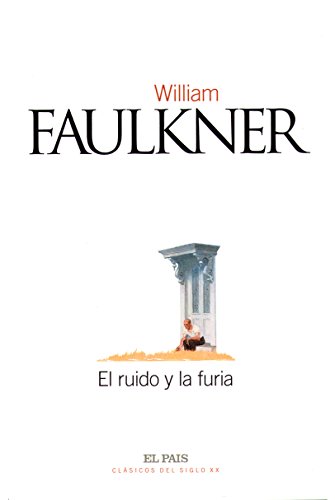
Like 'Umbrella,' this masterpiece utilizes a challenging, non-linear stream-of-consciousness narrative to explore the decay of a family and the fragmentation of memory. Its dense, modernist prose demands the same level of intellectual engagement and patience from the reader.

by James Joyce
Will Self is heavily influenced by the modernist tradition, and this novel is the ultimate progenitor of the style found in 'Umbrella.' Fans of Self's linguistic gymnastics and deep-dive into the human psyche will find a kindred spirit in Joyce's experimental structure.
This novel offers a similarly harrowing and clinical look at mental breakdown and institutionalization in the mid-20th century. It shares Self's interest in the intersection of psychiatry, individual identity, and the oppressive nature of historical medical practices.

Both books are massive, encyclopedic, and structurally demanding novels that use footnotes and non-linear timelines to critique modern society. Readers who enjoyed the relentless, maximalist prose and satirical edge of 'Umbrella' will appreciate the sheer ambition here.

Love to read on the go?
Explore Kindle e-readers and take your books with you.
As an Amazon Associate, we earn from qualifying purchases.

by Oliver Sacks
While non-fiction, this collection of clinical case studies shares the same fascination with the bizarre and tragic neurological conditions explored in 'Umbrella.' It provides the real-world context for the medical themes Self weaves into his fiction.
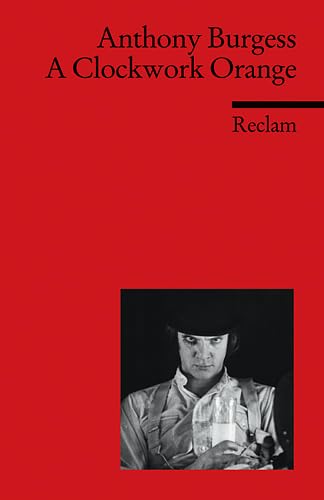
Burgess shares Self's penchant for linguistic experimentation and biting social commentary on the nature of free will and behavioral conditioning. The dark, gritty atmosphere and cynical exploration of human nature will resonate with fans of Self's bleak outlook.

by Lucy Ellmann
This novel is a monumental feat of stream-of-consciousness writing, mirroring the relentless, spiraling internal monologue found in 'Umbrella.' It captures the anxiety of modern life through a dense, singular voice that challenges the reader's endurance.

Woolf's mastery of the interior monologue and her ability to weave the past and present into a single day's narrative provides a blueprint for the structural complexity in 'Umbrella.' It is an essential read for anyone interested in how consciousness is rendered on the page.

Like 'Umbrella,' this novel dissects the dysfunction of a family across different timelines, using a sharp, analytical eye to critique societal shifts. It balances the personal breakdown of characters with a broader, cynical commentary on the state of the world.

Saramago’s unique, breathless prose style and his focus on the sudden, terrifying breakdown of societal norms mirror the unsettling, clinical atmosphere of 'Umbrella.' Both books use a specific, catastrophic event to interrogate the fragility of human civilization.

Not sure what they've already read?
Let them pick their next favorite with an Amazon Gift Card.
As an Amazon Associate, we earn from qualifying purchases.
As an Amazon Associate, we earn from qualifying purchases.