

Based on your book
Under a White Sky
by Kolbert, Elizabeth
Elizabeth Kolbert takes us on a journey into the strange, high-stakes world of geoengineering, where humans attempt to fix the environmental disasters we have already caused. She travels from the canals of Chicago to the Great Barrier Reef, interviewing the scientists who are literally trying to hack nature to keep the planet habitable. The reading experience is less like a standard science textbook and more like a quiet, unsettling conversation with an incredibly well-informed guide. Kolbert does not offer easy comfort or false hope; instead, she presents the stark moral dilemma of whether our technological hubris can actually save us or if it will just lead to deeper complications. This book is for readers who want to move past the typical doom-and-gloom climate narratives and grapple with the messy, practical reality of our current ecological existence.
10 Books similar to 'Under a White Sky'
If you are still processing the complex human interventions described by Kolbert, these selections offer different lenses on the same existential crisis. We chose these titles because they bridge the gap between hard science and human philosophy. Whether you want to explore the historical roots of our environmental hubris in Silent Spring, understand the opposing technological ideologies in The Wizard and the Prophet, or find a spiritual counterpoint in Braiding Sweetgrass, these books help contextualize the moral weight of living in the Anthropocene. They collectively map out the difficult path toward understanding our role on this planet.
As an Amazon Associate, we earn from qualifying purchases.

As the author's previous Pulitzer Prize-winning work, this book provides the essential context for the environmental crisis discussed in Under a White Sky. It shares the same sharp, investigative journalism style and examines how human activity is fundamentally altering the biological makeup of the planet.

This book offers a similarly urgent and rigorous examination of the climate crisis, focusing on the cascading consequences of global warming. Readers who appreciated Kolbert's unflinching look at human intervention will find this equally compelling and intellectually challenging.

Mann explores the two opposing philosophies of environmental management—the 'wizards' who believe in technological solutions and the 'prophets' who advocate for conservation—which perfectly mirrors the central tension of geoengineering found in Kolbert's work.

A foundational text in environmental literature, Carson's work established the genre of investigative science writing that Kolbert continues today. It highlights the dangers of human hubris and technological interference in natural systems.

Not sure what they've already read?
Let them pick their next favorite with an Amazon Gift Card.
As an Amazon Associate, we earn from qualifying purchases.
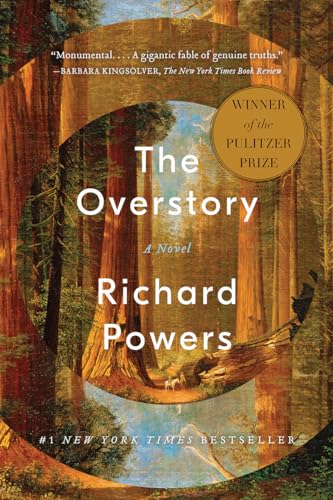
While this is a work of fiction, its deep engagement with the natural world and the complex, often destructive relationship between humans and the environment resonates strongly with the themes in Kolbert's non-fiction. It offers a narrative perspective on the same ecological anxieties.
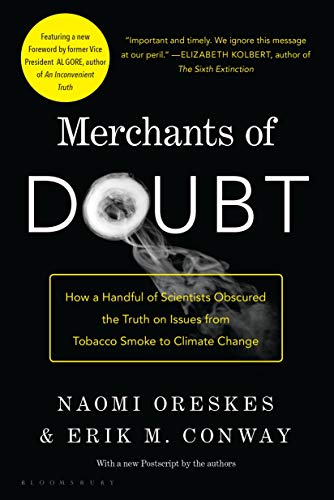
by Naomi Oreskes and Erik M. Conway
This book provides a critical look at how scientific consensus is often undermined by political and corporate interests, a theme that lingers in the background of Kolbert's discussions on geoengineering. It is an essential read for understanding the 'why' behind environmental policy failures.

by Alan Weisman
Weisman uses a thought experiment to explore what would happen to the planet if humans suddenly disappeared, providing a fascinating counterpoint to Kolbert's focus on human intervention. It is equally observational and scientifically grounded.

Kimmerer offers a beautiful, indigenous perspective on our relationship with the land, providing a necessary emotional and spiritual balance to the technological focus of geoengineering. It challenges the reader to think about stewardship in a more holistic way.

Brannen provides a gripping, scientifically robust history of past extinction events, offering crucial context for the current climate crisis. His witty and accessible prose style is very similar to Kolbert's, making complex science easy to digest.

This earlier work by Kolbert serves as a precursor to her later climate writing, documenting the early evidence of global warming. Readers who enjoyed the narrative journey and on-the-ground reporting in Under a White Sky will find this equally engaging.

Prefer to listen?
Try Audible and hear the story instead of reading it.
As an Amazon Associate, we earn from qualifying purchases.
As an Amazon Associate, we earn from qualifying purchases.