
Based on your book
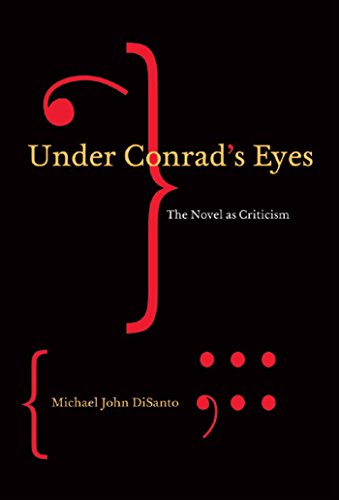
Under Conrad's Eyes
by Michael John DiSanto
Under Conrad's Eyes offers a fascinating look at Joseph Conrad not just as a master storyteller, but as a sharp literary critic in his own right. Michael John DiSanto makes a compelling case that Conrad's novels aren't merely fiction; they're active conversations with and transformations of the major philosophical and cultural ideas of his 19th-century peers, like Darwin, Nietzsche, and Dickens. Reading this feels like sitting down with a brilliant professor who's revealing the intricate intellectual web woven into Conrad's most famous works. It's a deep, analytical dive that unpacks moral dilemmas and existential questions, showing how Conrad grappled with concepts like the will to know or the potential harm of sympathy. If you love to peel back the layers of classic literature, enjoy thoughtful cultural analysis, and appreciate seeing how authors challenge and reshape the intellectual landscape of their time, this book will be a profoundly rewarding experience.
10 Books similar to 'Under Conrad's Eyes'
If you appreciated Michael John DiSanto's insightful exploration of Conrad's intellectual landscape, our curated list will extend that journey. We've highlighted more of Conrad's foundational novels, like Heart of Darkness and Nostromo, to let you immerse yourself directly in the moral dilemmas and social commentary DiSanto so expertly dissects. You'll find other works that echo this deep dive into the human condition and the artist's role as a cultural critic, offering further perspectives on the existential crises and philosophical debates that shape great literature. These selections provide both direct textual engagement and broader intellectual context, continuing the thought-provoking conversation DiSanto begins.
As an Amazon Associate, we earn from qualifying purchases.

As the primary subject of DiSanto's analysis, this novella is essential reading for understanding the moral complexity and psychological depth discussed in Under Conrad's Eyes. It explores the same themes of imperialism, human nature, and the darkness within the soul.

DiSanto focuses heavily on the struggle for honor and the consequences of failure, making this novel a perfect companion piece. It features the same intricate narrative structure and deep moral inquiry that DiSanto unpacks in his critical study.

This book represents the political and social scale that DiSanto argues is central to Conrad's vision. It offers a sweeping look at revolution and corruption, mirroring the intellectual scope of DiSanto's analysis.

DiSanto explores Conrad's skepticism toward modern ideologies, a theme that is most prevalent in this dark, satirical look at terrorism and surveillance. It matches the intellectual rigor and bleak atmosphere found in DiSanto's commentary.

Love to read on the go?
Explore Kindle e-readers and take your books with you.
As an Amazon Associate, we earn from qualifying purchases.

This short novel captures the 'coming of age' transition from youth to experience that DiSanto identifies as a recurring motif in Conrad's work. It provides a more intimate, psychological look at the burdens of command and maturity.

by Colm Tóibín
A fictionalized account of Henry James, a contemporary of Conrad mentioned in DiSanto's work. It shares the same quiet, intellectual intensity and deep focus on the internal life of a literary giant.

Directly referenced in the title of DiSanto's book, this novel deals with betrayal and the psychological toll of political involvement. It is the definitive text for those interested in DiSanto's exploration of Conrad's political philosophy.

For readers who enjoyed DiSanto's scholarly approach, this definitive biography provides the historical and personal context of Conrad's life. It mirrors DiSanto's commitment to understanding the man behind the complex narratives.

by W.H. Auden
This poetic commentary on Shakespeare's The Tempest shares DiSanto's interest in the intersection of art, morality, and reality. It is an intellectual deep dive into the nature of creation and the artist's responsibility.

Ford was a close collaborator of Conrad, and this novel uses the same unreliable narration and intricate moral layering that DiSanto examines. It captures the same 'vibe' of Edwardian disillusionment and hidden secrets.

Not sure what they've already read?
Let them pick their next favorite with an Amazon Gift Card.
As an Amazon Associate, we earn from qualifying purchases.
As an Amazon Associate, we earn from qualifying purchases.