

Based on your book
Uno, nessuno e centomila
by Luigi Pirandello
Luigi Pirandello's "Uno, nessuno e centomila" kicks off with a seemingly mundane observation – a comment about the protagonist Vitangelo Moscarda's nose – that shatters his entire self-perception. This isn't a story of grand adventure, but an intensely personal, psychological unraveling. Moscarda becomes obsessed with the idea that he is not one fixed person, but 'one, no one, and a hundred thousand' different selves in the eyes of others. The reading experience is like stepping directly into a mind in turmoil, a stream of consciousness grappling with identity, perception, and existence itself. It's a melancholic, often unsettling journey, full of sharp, philosophical insights that will make you pause and look inward. This book is for readers who love deep introspection, existential questions, and the unsettling thought that perhaps we never truly know ourselves, let alone how others see us.
10 Books similar to 'Uno, nessuno e centomila'
If Pirandello's exploration of the fragmented self and the unsettling nature of identity resonated with you, these books continue that journey. We've gathered titles that delve into the profound psychological and existential crises of individuals grappling with who they are, how they're perceived, and the very meaning of their existence. You'll find protagonists wrestling with alienation, unreliable perceptions of reality, and the search for an authentic self amidst societal expectations, echoing the deep introspection and philosophical questioning at the heart of "Uno, nessuno e centomila".
As an Amazon Associate, we earn from qualifying purchases.

by Franz Kafka
Like Pirandello's protagonist, Gregor Samsa undergoes a radical transformation that forces him to confront his identity and how he is perceived by others, leading to a profound psychological and existential crisis within a claustrophobic family setting. It delves into the absurdity of existence and the alienation of the individual.
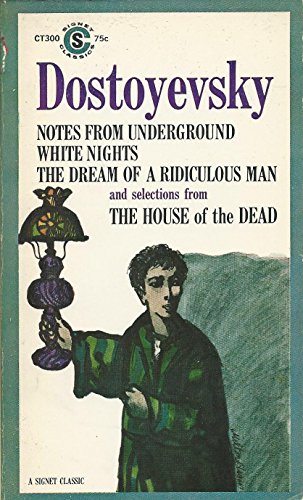
This novel offers a deep dive into the mind of a cynical and introspective narrator, exploring the complexities of human consciousness, free will, and the subjective nature of truth. It echoes Pirandello's examination of the fragmented self and the internal monologue that questions reality.

Sartre's seminal work delves into the protagonist's growing awareness of the absurdity and contingency of existence, mirroring Pirandello's exploration of the fragility of identity and the overwhelming sensation of being 'no one' in a vast, indifferent world. It's a foundational text for existential philosophy.

by Albert Camus
Meursault's detachment from societal norms and his indifference to conventional expectations resonate with Pirandello's critique of fixed identities, offering a stark portrayal of an individual confronting the absurdity of life and the subjective nature of meaning. It explores alienation and the outsider perspective.

Love to read on the go?
Explore Kindle e-readers and take your books with you.
As an Amazon Associate, we earn from qualifying purchases.

Woolf masterfully explores the inner lives and subjective experiences of her characters over a single day, delving into themes of consciousness, memory, and the multiplicity of self. This mirrors Pirandello's fragmentation of identity and the intricate nature of the internal world.

This meta-theatrical play directly engages with Pirandello's core philosophical concerns about reality, illusion, identity, and the relationship between author and character. As another work by Pirandello, it's an essential read for understanding the themes of 'Uno, nessuno e centomila' from a different angle.

by Franz Kafka
Josef K.'s bewildering struggle against an incomprehensible and absurd legal system mirrors the individual's existential struggle with an overwhelming world. It explores themes of powerlessness, alienation, and the erosion of personal identity, much like Pirandello's critique of societal structures.

This novella delves into the psychological complexities of a ship captain confronting a hidden doppelgänger, exploring themes of dual identity, moral ambiguity, and the internal struggle to integrate different aspects of the self. It resonates with Pirandello's fragmented identities and the secrets within.

While focused on racial identity, Ellison's protagonist grapples with the profound question of self-perception versus external perception, feeling 'invisible' due to society's refusal to see him as an individual. This is a powerful echo of Pirandello's exploration of the 'hundred thousand' selves and societal masks.

This modernist masterpiece is narrated by an unreliable protagonist who slowly unravels a complex web of secrets and betrayals, challenging the reader's perception of truth and reality. It shares Pirandello's fascination with subjective perspectives and the elusive nature of identity and truth.

Not sure what they've already read?
Let them pick their next favorite with an Amazon Gift Card.
As an Amazon Associate, we earn from qualifying purchases.
As an Amazon Associate, we earn from qualifying purchases.