
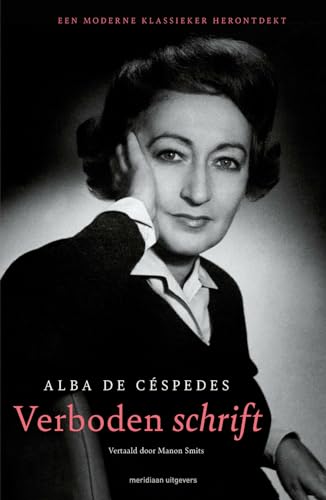
Based on your book
Verboden schrift
by Alba de Céspedes
Valeria Cossati is a middle-aged mother and wife in 1950s Rome whose life is defined by the needs of others. She buys a notebook to keep household accounts but instead begins to record her own secret, unfiltered thoughts. This small act of rebellion becomes a mirror reflecting the vast distance between her public role and her private self. The writing is quiet and surgical, capturing the slow-motion erosion of a woman who realizes she has been an extra in her own life. Reading this feels like sitting across from a friend who is finally speaking the truth about the exhaustion of domesticity. It is not a loud protest novel, but an intimate, haunting examination of identity. Pick this up if you appreciate character-driven stories where the biggest shifts happen entirely within the protagonist's mind.
10 Books similar to 'Verboden schrift'
If the quiet intensity of Valeria's diary kept you up at night, these selections were chosen to expand on that specific feeling of domestic claustrophobia and the struggle for autonomy. We focused on works that treat the female inner life with the same unflinching honesty, whether through the lens of mid-century social expectations or the broader existential search for identity. These books share a common thread of women navigating the friction between societal performance and personal truth, making them essential companions for anyone moved by the weight of a secret life.
As an Amazon Associate, we earn from qualifying purchases.

by Kate Chopin
Like 'The Forbidden Notebook', this classic novel explores the stifling constraints of domestic life on women and the desperate, often quiet, search for individual identity. Both books feature protagonists who begin to question their societal roles through internal awakening and forbidden acts of self-expression.

This seminal essay collection mirrors the core struggle of Valeria in 'Verboden schrift': the need for physical and mental space to create and exist outside of one's domestic duties. It provides the intellectual framework for the same frustrations regarding female autonomy and creativity.
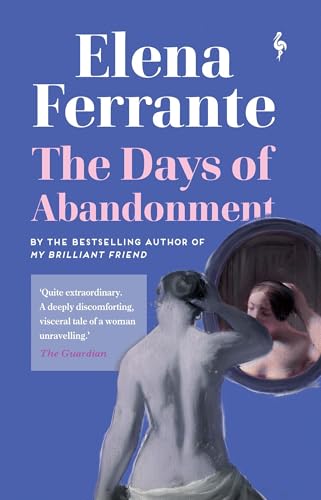
Ferrante's work is a spiritual successor to de Céspedes, diving deep into the psychological disintegration of a woman bound by marriage and motherhood. Both narratives are intensely intimate, raw, and unflinching in their examination of the female psyche under domestic pressure.

This novel captures the suffocating atmosphere of 1950s domesticity and the quiet desperation of individuals trapped in conventional marriages. Readers who appreciated the tension between Valeria's secret life and her public persona will recognize similar themes of alienation and unfulfilled potential.

Not sure what they've already read?
Let them pick their next favorite with an Amazon Gift Card.
As an Amazon Associate, we earn from qualifying purchases.

by Sylvia Plath
Plath's masterpiece explores the claustrophobia of societal expectations placed upon women, much like the internal confinement felt by the protagonist of 'Verboden schrift'. Both books use a deeply personal, confessional tone to critique the limitations imposed on women's lives.

by Nella Larsen
This novel deals with the tension of maintaining a secret identity and the psychological weight of living a 'double life' within restrictive social structures. The focus on internal monologue and the fear of discovery resonates strongly with the secretive nature of Valeria's diary writing.

Wharton masterfully depicts the entrapment of a woman within a rigid social hierarchy, mirroring the domestic trap found in de Céspedes' work. Both novels are deeply concerned with the cost of maintaining appearances and the personal toll of societal judgment.
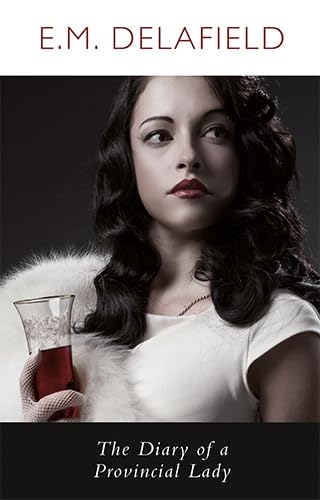
While lighter in tone, this book shares the diary format and the focus on the minutiae of domestic life that define 'Verboden schrift'. It offers a witty, observational look at the frustrations of managing a household, providing a complementary perspective on the same domestic landscape.

This complex, fragmented narrative directly parallels the use of journals to categorize and understand the different, often conflicting, facets of a woman's life. Readers interested in the act of writing as a tool for self-reclamation will find this an essential and challenging read.

Written by a young woman in the same mid-century era, this novel captures a similar sense of existential longing and the tension between freedom and social convention. The atmospheric prose and focus on the internal life of the protagonist echo the tone of de Céspedes' writing.

Prefer to listen?
Try Audible and hear the story instead of reading it.
As an Amazon Associate, we earn from qualifying purchases.
As an Amazon Associate, we earn from qualifying purchases.