

Based on your book
Waiting for Nothing
by Kromer, Tom
Waiting for Nothing is a brutal, unvarnished account of life on the road during the Great Depression. Tom Kromer writes from the perspective of a man who has lost everything, navigating a landscape of soup lines, flop houses, and the constant, gnawing threat of starvation. Unlike many narratives that romanticize the drifter lifestyle, this book focuses on the sheer exhaustion and degradation of poverty. The prose is sparse and jagged, mirroring the protagonist's own fraying sanity as he encounters the apathy of a society that views him as a ghost. It is a bleak, claustrophobic read that refuses to offer easy hope or redemption. This book is for readers who appreciate literature that stares directly into the darkest corners of the human condition and demands that we acknowledge the people living in them.
10 Books similar to 'Waiting for Nothing'
If the stark, unforgiving realism of Kromer left you shaken, these selections lean into that same territory of survival and systemic neglect. We have curated these titles because they echo the feeling of being an outsider looking into a world that has discarded you. Whether through the lens of historical struggle in The Grapes of Wrath or the psychological disintegration found in Hunger, these authors capture the intersection of poverty and isolation. Each recommendation explores the moral weight of living on the margins, providing a broader context for the quiet desperation Kromer masterfully documents.
As an Amazon Associate, we earn from qualifying purchases.

Like Kromer's work, this memoir offers a raw, unflinching look at poverty and the dehumanizing effects of homelessness. Orwell's journalistic yet deeply personal narrative voice captures the same desperate struggle for survival and the harsh realities of life on the fringes of society.

This classic novel shares the Great Depression setting and the focus on the plight of the dispossessed. It mirrors Kromer's exploration of systemic failure and the crushing weight of poverty on the human spirit.

by Jack Kerouac
While more romanticized than Kromer's bleak account, this book captures the same restless, transient spirit of life on the road during a difficult economic era. It explores the search for meaning and freedom while living outside conventional societal structures.

This novel delves into the brutalizing effects of poverty and systemic racism, offering a similarly intense and disturbing look at a man pushed to the edge by his environment. It shares the same sense of inevitability and moral ambiguity found in Kromer's writing.

Love to read on the go?
Explore Kindle e-readers and take your books with you.
As an Amazon Associate, we earn from qualifying purchases.

Though set in a post-apocalyptic landscape, the visceral, stripped-down prose and the relentless focus on survival echo the tone of *Waiting for Nothing*. It is a harrowing, meditative look at what remains of humanity when everything else is stripped away.

by Knut Hamsun
This psychological masterpiece documents the mental and physical deterioration of a starving writer in a city that ignores him. It shares the same claustrophobic, introspective, and cynical exploration of extreme poverty that defines Kromer's work.

by John Fante
Fante's writing captures the desperate, lonely experience of a young man struggling to survive in the city during the Depression. It balances the grit of poverty with a raw, honest narrative voice that fans of Kromer will find deeply familiar.

This novel focuses on labor strikes and the desperate lives of migrant workers, mirroring the political and social consciousness found in Kromer's work. It provides a harsh, realistic look at the power dynamics between the poor and the establishment.

Burroughs offers a stark, documentary-style account of life on the margins, focusing on addiction and the criminal underworld. Much like Kromer, he presents a dispassionate, observational view of a world that most people choose to ignore.
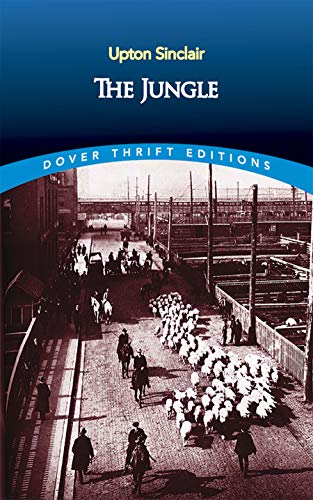
This powerful work exposes the brutal, dehumanizing conditions of the working class, sharing the same intent to shock the reader into recognizing the systemic failures of society. It is a foundational text for those interested in the literature of poverty and social struggle.

Not sure what they've already read?
Let them pick their next favorite with an Amazon Gift Card.
As an Amazon Associate, we earn from qualifying purchases.
As an Amazon Associate, we earn from qualifying purchases.