

Based on your book
Waterland
by Swift, Graham
Tom Crick is a history teacher staring down the end of his career, but instead of sticking to the syllabus, he begins to recount his own upbringing in the Fens of East Anglia. This is a novel about how the landscape of our youth shapes our adult identities, and how the stories we tell ourselves are often just defense mechanisms against the truth. It feels like standing in a thick, marshy fog; the narrative is slow, winding, and deeply meditative, pulling you into a cycle of family tragedy and personal regret. You are not reading for a fast-paced mystery, but for the experience of watching a man dismantle his own life to understand why he is the way he is. If you enjoy literature that treats history as a personal burden rather than a collection of dates, this will stay with you for years.
10 Books similar to 'Waterland'
When selecting books to sit alongside Waterland, we looked for authors who treat memory as a fragile, shifting construction rather than a concrete record. Whether it is the intellectual rigor of A.S. Byatt or the quiet, devastating reflections of John Banville and Julian Barnes, these recommendations share an obsession with how past trauma ripples into the present. Each of these stories explores the unreliable nature of the self, focusing on characters who are forced to reconcile their own private histories with the weight of the larger world around them.
As an Amazon Associate, we earn from qualifying purchases.

by A.S. Byatt
Like Waterland, this novel is a deeply intellectual and layered narrative that explores the intersection of history, storytelling, and the obsession with the past. It mirrors Swift's ability to weave academic inquiry with personal discovery, creating a rich, atmospheric investigation into lost lives.

This novel shares Waterland's profound focus on the unreliability of memory and the way personal history is inextricably linked to larger societal shifts. Both books feature narrators looking back on their lives with a poignant mix of regret and analytical detachment.

by John Fowles
Fowles creates a similarly disorienting and psychological landscape where reality and performance blur, much like the way the narrator of Waterland constructs his own history. It is a dense, philosophical puzzle that demands the reader question the nature of truth.
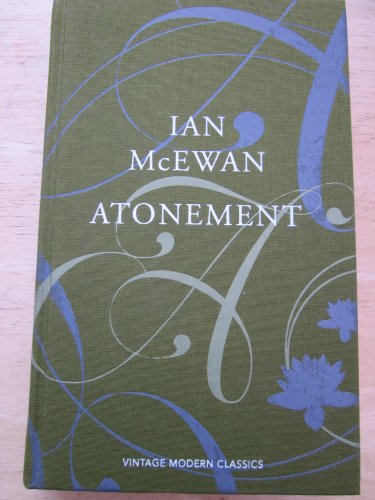
by Ian McEwan
McEwan's exploration of how a single childhood act reverberates through decades of history echoes the central trauma of Waterland. It is a masterful examination of guilt, the subjectivity of truth, and the power of narrative to shape or destroy lives.

Not sure what they've already read?
Let them pick their next favorite with an Amazon Gift Card.
As an Amazon Associate, we earn from qualifying purchases.
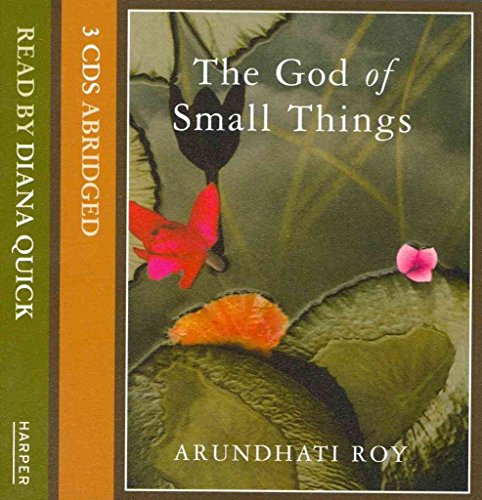
This book captures the same feeling of a landscape—in this case, Kerala—being deeply tied to the family saga and the weight of the past. It shares Swift’s lyrical, non-linear storytelling style and the focus on how small, private tragedies are shaped by larger political forces.

Banville’s prose is as dense and evocative as Swift’s, focusing on an aging man returning to the site of childhood memories to confront grief and loss. It is a meditation on time and memory that will resonate deeply with fans of Waterland's introspective tone.

While quieter in its scope, Stoner shares the profound sense of a life defined by the quiet, inexorable passage of time and the weight of history. It offers a similarly devastating yet beautiful look at how an ordinary man's life is shaped by forces beyond his control.

This novel features a deep, almost obsessive relationship with the past and the act of storytelling, set against a backdrop of history that feels like a character itself. It captures the sense of mystery and the 'haunted' feeling found in Swift's work.

Like Waterland, this is a quintessential 'history-as-personal-narrative' novel, where the protagonist's life is inextricably bound to the fate of a nation. It shares the complex, metafictional structure and the idea that we are all products of our history.

This short, powerful novel is perhaps the closest thematic cousin to Waterland, focusing entirely on the fallibility of memory and the way we rewrite our own histories to survive. It is a masterclass in the unreliable narrator and the lingering impact of past mistakes.

Prefer to listen?
Try Audible and hear the story instead of reading it.
As an Amazon Associate, we earn from qualifying purchases.
As an Amazon Associate, we earn from qualifying purchases.