

Based on your book
Ways of Seeing
by John Berger
Ways of Seeing isn't just an art history book; it's a foundational text that completely reorients how you understand visual culture. John Berger invites you to peel back layers of assumption about art, advertising, and the images that surround us daily. He argues that what we "see" is deeply influenced by power, class, and historical context, challenging the idea of an objective gaze. Reading it feels like having a brilliant, articulate friend open your eyes to hidden meanings and political undercurrents in everything from a Renaissance painting to a modern advertisement. It's a concise, direct, and incredibly impactful read that will make you question your own perceptions long after you've turned the last page. This is for anyone who loves to think deeply, deconstruct cultural phenomena, and isn't afraid to have their entire way of looking at the world fundamentally shifted.
10 Books similar to 'Ways of Seeing'
If John Berger's Ways of Seeing shifted your understanding of how images shape our world, then our curated list offers further deep dives into similar critical inquiries. These books continue the conversation about the political dimensions of seeing, deconstructing cultural phenomena, and exposing the hidden power structures embedded in visual communication and societal norms. They share Berger's sharp, analytical approach to understanding how art, media, and everyday objects influence our perceptions, challenging you to look beyond the surface and engage with the world more critically.
As an Amazon Associate, we earn from qualifying purchases.

by Susan Sontag
Sontag's seminal essays dissect the nature of photography, exploring how it shapes our perception of reality, history, and ourselves, much like Berger examines the ideological underpinnings of visual art. Both authors challenge readers to critically engage with images rather than passively consume them.

Barthes deconstructs everyday cultural phenomena, from wrestling to detergents, revealing the hidden myths and ideologies embedded within them. This semiotic approach to understanding how meaning is constructed in popular culture deeply resonates with Berger's critical analysis of visual signs and their societal implications.

Benjamin's foundational essay explores how the mechanical reproduction of art fundamentally changes its nature, its "aura," and its relationship to society and politics. This directly parallels Berger's examination of how reproduction and context alter the meaning and impact of images, challenging traditional art appreciation.

by bell hooks
bell hooks offers a powerful collection of essays that critically examine art, race, gender, and class, challenging dominant narratives in visual culture. Her work shares Berger's commitment to exposing the political dimensions of seeing and being seen, particularly for marginalized voices.

Prefer to listen?
Try Audible and hear the story instead of reading it.
As an Amazon Associate, we earn from qualifying purchases.

by Naomi Klein
Klein's influential book dissects the rise of corporate branding and its pervasive influence on culture, consumerism, and global capitalism. Like Berger, she exposes the hidden power structures and ideologies embedded in visual communication, but in a contemporary context of advertising and brand identity.

Woolf's extended essay explores the societal and economic conditions that have historically limited women's creative and intellectual freedom. It critically examines how women are perceived and positioned within patriarchal structures, offering a powerful, reflective critique of visual and social power dynamics akin to Berger's feminist insights.
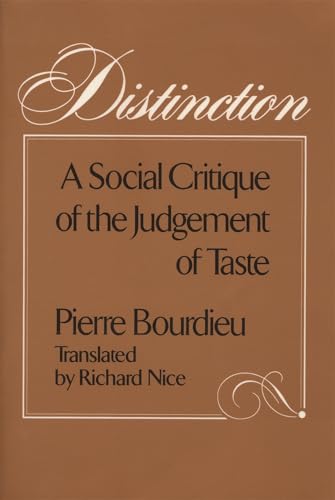
Bourdieu rigorously analyzes how aesthetic tastes are not universal but are deeply intertwined with social class and power, serving to differentiate and legitimate social hierarchies. This sociological deconstruction of "taste" mirrors Berger's critique of how art and visual culture reinforce existing power structures.
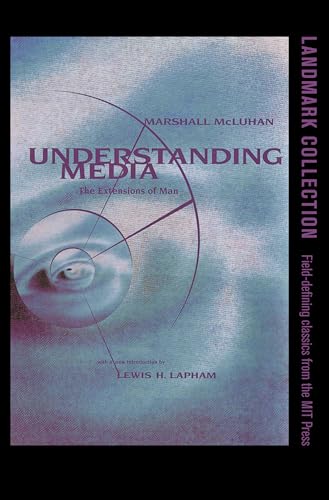
McLuhan's groundbreaking work argues that the medium itself, not just the content, shapes human perception and society. His analytical approach to how different forms of media (like print, television, or the internet) extend our senses and alter our ways of seeing offers a foundational perspective that complements Berger's media critique.

Solnit's sharp, witty essays dissect issues of gender, power, and voice, particularly focusing on how women's experiences and perspectives are often dismissed or silenced. Her critical examination of who gets to speak and who is heard, and how women are "seen" (or unseen), resonates with Berger's analysis of gendered gazes and power imbalances.

by Umberto Eco
Eco's essays explore the proliferation of simulacra, mass media, and the blurring lines between reality and its representations in modern culture. His critical and often satirical observations on our consumption of images and manufactured experiences align with Berger's concern for how visual culture shapes our understanding of the world.

Love to read on the go?
Explore Kindle e-readers and take your books with you.
As an Amazon Associate, we earn from qualifying purchases.
As an Amazon Associate, we earn from qualifying purchases.