

Based on your book
Weak in Comparison to Dreams
by Elkins, James
Weak in Comparison to Dreams is less of a linear narrative and more of a quiet, rigorous excavation of how we construct our own reality. James Elkins invites you to sit with the friction between what we see and what we actually believe, moving through the messy intersection of personal memory and cultural conditioning. The prose feels deliberate and patient, demanding a slow pace that mirrors the act of deep observation. It is an existential exercise that avoids easy answers, preferring to linger in the discomfort of our own subjective limitations. If you are the type of reader who enjoys peeling back the layers of your own perceptions or feels a genuine ache when trying to articulate the nature of human identity, this book will feel like a long, necessary conversation with a very sharp, honest friend.
10 Books similar to 'Weak in Comparison to Dreams'
Since this book sits at the intersection of phenomenology and visual culture, these recommendations were curated to keep you in that exact headspace. If you found the introspective rigor of Elkins addictive, works by Roland Barthes and Gaston Bachelard will satisfy your craving for that specific blend of memoir and philosophical inquiry. Each of these titles shares a preoccupation with how the act of looking transforms the observer. Whether through the lens of art history or personal narrative, these selections all treat the human eye as a tool for deeper, often difficult, self-discovery.
As an Amazon Associate, we earn from qualifying purchases.

by John Berger
Like Elkins, Berger challenges the traditional ways we perceive and interpret art, making complex aesthetic theories accessible and deeply personal. It is an essential read for anyone who appreciates the intersection of cultural analysis and the act of looking.

This classic text mirrors Elkins' introspective approach to phenomenology, exploring how our physical surroundings shape our inner lives and dreams. It offers a similarly lyrical and contemplative examination of the spaces we inhabit.

by Susan Sontag
Sontag provides a rigorous, critical examination of how we process visual media and suffering, resonating with Elkins' interest in the emotional and ethical weight of images. It is a dense, rewarding read for those who enjoy dissecting the act of observation.

Barthes blends memoir with critical theory to explore the nature of photography, creating a deeply personal and philosophical inquiry that feels very much in conversation with Elkins' work. It is a masterful study of grief, memory, and the image.

Not sure what they've already read?
Let them pick their next favorite with an Amazon Gift Card.
As an Amazon Associate, we earn from qualifying purchases.

by Rob Walker
While more practical than Elkins, this book shares the core philosophy of training oneself to truly see the world rather than just looking at it. It is an engaging, observational guide that encourages the same kind of deep, focused attention found in Elkins' writing.

For readers who enjoy the academic rigor and historical depth of Elkins, Gombrich’s seminal work on the psychology of pictorial representation is a perfect companion. It systematically deconstructs how we interpret visual reality through art history.
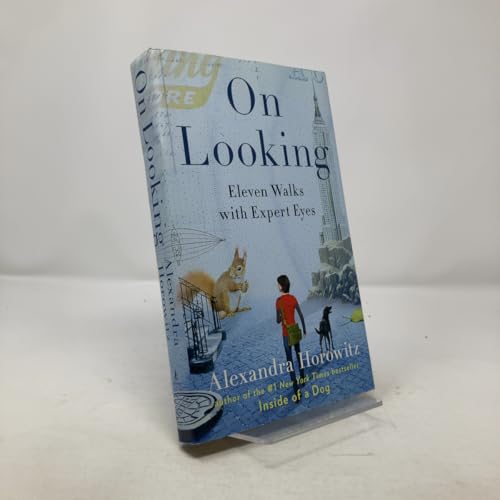
Horowitz takes the reader on a series of walks, demonstrating how different experts perceive the same environment, echoing Elkins' fascination with the subjectivity of vision. It is a charming and insightful look at the limitations and possibilities of human perception.

Hughes offers a sweeping, critical, and highly opinionated history of modern art that shares Elkins' willingness to engage deeply with the difficult and often contradictory nature of art. It is a brilliant, argumentative, and deeply informative text.

Varnedoe’s lectures on abstract art provide the same kind of careful, patient unravelling of visual meaning that Elkins excels at. It is an essential read for anyone interested in the philosophy behind non-representational art.

by Peter Mason
Mason explores the cultural life and circulation of images, touching on the same themes of phenomenology and visual culture that define Elkins' work. It is a scholarly yet accessible exploration of how images function in our world.

Prefer to listen?
Try Audible and hear the story instead of reading it.
As an Amazon Associate, we earn from qualifying purchases.
As an Amazon Associate, we earn from qualifying purchases.