

Based on your book
What Happened to Millennials
by Wells, Charlie
Charlie Wells takes a long, hard look at the trajectory of a generation once promised the world, only to find themselves navigating a landscape of shifting economic goalposts and persistent existential fatigue. This is not a collection of complaints, but a rigorous, observational map of how societal structures, technological shifts, and a volatile economy converged to shape the Millennial identity. The prose is analytical and measured, favoring deep-dive reporting over hyperbole. You will feel as though you are sitting across from a sharp, well-informed friend who is finally putting a name to the background noise of your daily life. It is an ideal pick for readers who enjoy cultural critique that prioritizes data-backed insights over emotional venting, and for anyone who has found themselves wondering exactly how we ended up here.
10 Books similar to 'What Happened to Millennials'
Since this book likely left you hungry for more context on the systemic forces shaping our lives, our curated list pulls from the same intellectual well. We have selected titles that bridge the gap between economic structural critique and the personal psychological weight of living in a precarious age. Whether you are interested in the granular reality of the gig economy found in Hired or the broader sociological shifts explored in The Coddling of the American Mind, these books mirror the analytical rigor and deep curiosity that define Wells' examination of the Millennial experience.
As an Amazon Associate, we earn from qualifying purchases.

This book serves as the perfect companion to Wells' work, diving deep into the systemic causes of Millennial exhaustion and the 'burnout' that defines the generation. It shares the same analytical, sociological approach to examining why modern life feels so unsustainable for this demographic.
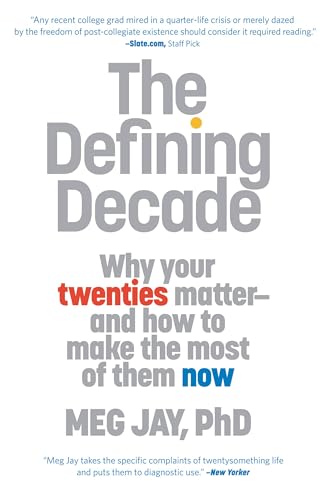
by Meg Jay
While focused on the developmental psychology of the twenties, this book addresses the same anxieties about career, relationships, and future-proofing that plague the Millennial experience. It offers a more prescriptive, self-help approach that complements the observational tone of Wells' analysis.

This book provides the economic backbone to the Millennial struggle, exploring the crushing weight of student loans and stagnant wages. Readers who appreciated the economic data and structural critique in 'What Happened to Millennials' will find this equally illuminating.

Bloodworth provides a gritty, on-the-ground look at the gig economy and precarious labor conditions that many Millennials face today. It matches the 'real-world' stakes and investigative spirit of Wells' exploration into how the economy has failed a generation.

Love to read on the go?
Explore Kindle e-readers and take your books with you.
As an Amazon Associate, we earn from qualifying purchases.

Millennial anxiety is deeply tied to the fear of a collapsing climate, a theme that looms large in generational discourse. This book provides the stark, urgent reality check that often sits in the background of Millennial existential dread.

Graeber's exploration of why so many people feel their work is meaningless resonates deeply with the Millennial disillusionment regarding career paths and corporate structures. It offers a witty, intellectual critique of the modern workplace that pairs well with Wells' observations.

This book captures the extreme end of the economic instability that threatens the American dream, illustrating the 'van-life' reality for those left behind by the economy. It provides a human, empathetic lens to the structural problems discussed in 'What Happened to Millennials'.

by Greg Lukianoff and Jonathan Haidt
This book examines the cultural and psychological shifts in education and parenting that have shaped the Millennial and Gen Z mindset. It is essential reading for understanding the 'why' behind the generational shifts Wells documents.

Housing insecurity is a central pillar of the Millennial crisis, and Desmond’s book is the definitive look at how the rental market exploits the vulnerable. It provides the deep-dive, investigative journalism style that readers of Wells will respect.

This book explores how the obsession with low prices and 'deals' has eroded the quality of goods and the stability of jobs. It connects the dots between consumer behavior and the broader economic decline, mirroring the systemic critique found in Wells' writing.

Not sure what they've already read?
Let them pick their next favorite with an Amazon Gift Card.
As an Amazon Associate, we earn from qualifying purchases.
As an Amazon Associate, we earn from qualifying purchases.