
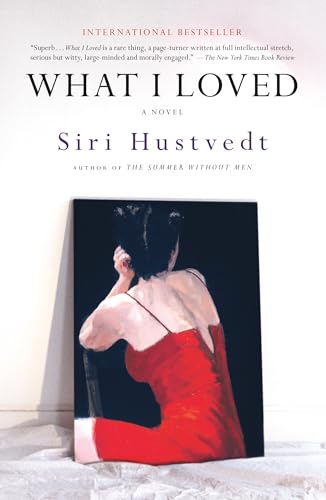
Based on your book
What I Loved
by Hustvedt, Siri
Siri Hustvedt constructs a sprawling, intellectual portrait of two families whose lives become inextricably tangled in the New York art scene over several decades. At its heart, the story follows Leo Hertzberg, an art historian who forms a deep, transformative friendship with a painter named Bill Wechsler. What begins as a study of creative obsession and domestic intimacy slowly curdles into something far more unsettling. As tragedy strikes and the next generation comes of age, the narrative shifts into a haunting meditation on how we perceive truth and the people we claim to know. The pacing is deliberate and cerebral, demanding your full attention as it pulls you into a labyrinth of moral ambiguity. This book is for the reader who enjoys fiction that functions like a philosophical puzzle, where the emotional stakes are high but the delivery is cool, precise, and deeply melancholic.
10 Books similar to 'What I Loved'
If this kind of intellectual gravity and psychological layering speaks to you, our list of recommendations focuses on the intersection of high-stakes art, unreliable memory, and the slow decay of family secrets. We chose these titles because they share that specific, claustrophobic intensity where the lines between reality and narrative become dangerously thin. Whether you are drawn to the academic obsession found in The Secret History or the way Julian Barnes dissects the fallibility of memory, these novels prioritize the same complex, character-driven questions about identity and the long shadows cast by our past mistakes.
As an Amazon Associate, we earn from qualifying purchases.

by Donna Tartt
Like Hustvedt's work, this novel is deeply steeped in the art world and centers on the long-term psychological impact of a singular, life-altering tragedy. It shares a similar intellectual depth, exploring obsession, grief, and the way art shapes our understanding of reality.

This book mirrors Hustvedt's layering of narratives and its focus on the complexities of memory and family secrets. It features a sophisticated, literary voice that dissects the past to uncover the truth about a tragic family history.

Set within an academic and intellectual milieu, this novel explores the intersection of literature, philosophy, and messy human relationships. Fans of Hustvedt will appreciate the precise, character-driven examination of love and mental health.

This concise, philosophical novel deals directly with the fallibility of memory and the way we rewrite our own histories to cope with trauma. Its meditative tone and focus on the consequences of past actions align perfectly with the themes in 'What I Loved'.

Prefer to listen?
Try Audible and hear the story instead of reading it.
As an Amazon Associate, we earn from qualifying purchases.

For readers who enjoyed the art-world immersion and the gritty, intellectual atmosphere of Hustvedt's New York, this novel provides a similar deep dive into the 1970s art scene. It captures the same sense of ambition, danger, and artistic obsession.

by A.S. Byatt
This novel is a masterful blend of intellectual inquiry and emotional drama, mirroring Hustvedt's ability to weave academic research into a compelling narrative. It explores the obsession with the past and the ways in which research can consume one's present life.

by Donna Tartt
This book shares the dark, psychological intensity and the claustrophobic academic setting found in much of Hustvedt's work. It examines the destructive power of obsession and the moral decay that can occur within a small, tight-knit group of intellectuals.

by Paul Auster
Given the real-life connection between the authors, it is no surprise that this novel shares Hustvedt's preoccupation with art, loss, and the blur between fiction and reality. It is a haunting, meta-fictional exploration of how we construct our lives after profound tragedy.

by Sarah Waters
While the setting is different, this novel excels at the same kind of intricate plotting and unreliable narration that defines 'What I Loved'. It is a deeply immersive, psychologically complex story about deception, identity, and the cruelty of fate.

by Ian McEwan
This novel is fundamentally about the devastating, lifelong consequences of a single mistake and the attempt to find redemption through art and storytelling. Readers who appreciated the tragic, reflective nature of Hustvedt’s narrative will find this equally poignant and intellectually demanding.

Love to read on the go?
Explore Kindle e-readers and take your books with you.
As an Amazon Associate, we earn from qualifying purchases.
As an Amazon Associate, we earn from qualifying purchases.