

Based on your book
When We Cease to Understand the World
by Labatut, Benjamin
Benjamin Labatut explores the terrifying threshold where scientific genius curdles into madness. This book tracks the lives of real-world physicists and mathematicians like Heisenberg, Schrodinger, and Grothendieck, transforming their historic breakthroughs into something approaching a fever dream. You are not reading a standard history of science here; instead, you are witnessing the moment these men realize that their equations have uncovered truths far more unsettling than the world is prepared to handle. The prose is clinical yet hallucinatory, creating an atmosphere of mounting existential dread that makes abstract mathematics feel like a visceral threat. It is an ideal pick for readers who prefer their non-fiction to read like a dark, philosophical thriller and who are genuinely curious about the human cost of peering too closely into the void of the unknown.
10 Books similar to 'When We Cease to Understand the World'
If the unsettling intellectual intensity of Labatut left you craving more, these selections mirror his obsession with the thin line between brilliance and ruin. We chose these titles because they echo the same preoccupation with the moral ambiguity of discovery and the isolating nature of genius. Whether through the fragmented, dreamlike archives of Sebald or the labyrinthine metaphysical puzzles of Borges, these authors share a commitment to questioning the stability of our reality. They are for the reader who enjoys untangling the complicated, often destructive relationship between human ambition and the cold, hard laws of the universe.
As an Amazon Associate, we earn from qualifying purchases.

by Paul Hoffman
This biography of the eccentric mathematician Paul Erdős captures the same obsession and intellectual intensity found in Labatut's work. It explores the thin line between genius and madness, focusing on the singular, often isolating lives of those who dedicate themselves entirely to abstract truths.

Borges is a clear stylistic ancestor to Labatut, utilizing short, dense, and labyrinthine narratives that blur the boundaries between reality and philosophical speculation. Readers who enjoyed the way Labatut weaves scientific history into dreamlike fiction will find Borges's metaphysical puzzles equally captivating.

by James Gleick
Gleick masterfully chronicles the history of how we understand information, much like Labatut chronicles the history of scientific breakthroughs. It shares an analytical and sweeping scope, revealing the profound, sometimes dangerous, consequences of human intellectual progress.

While more overtly satirical, this novel shares Labatut's fascination with the intersection of the mundane and the impossible. It captures a similar dark, surreal atmosphere where the fabric of reality is torn by forces beyond human comprehension.

Love to read on the go?
Explore Kindle e-readers and take your books with you.
As an Amazon Associate, we earn from qualifying purchases.
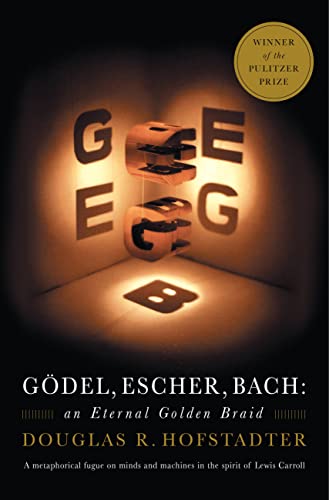
This seminal work explores the deep connections between mathematics, art, and music, echoing the interdisciplinary curiosity found in Labatut's writing. It is a dense, intellectual journey that challenges the reader's perception of logic and consciousness.

by Robert Musil
Set against the backdrop of the crumbling Austro-Hungarian Empire, this novel mirrors the intellectual malaise and scientific uncertainty of the early 20th century. It shares the same melancholic, philosophical weight and deep dive into the minds of men grappling with a changing world.

by G.H. Hardy
This essay provides an intimate, often melancholic look at the motivations of a pure mathematician, directly paralleling the internal struggles of the figures Labatut portrays. It is a poignant reflection on the beauty, futility, and obsession inherent in scientific pursuit.

Pessoa’s fragmented, dreamlike prose captures the same sense of existential dread and intellectual isolation as Labatut's characters. It is a deeply atmospheric and introspective work that explores the internal lives of those who feel detached from the 'real' world.

This novel explores the high-stakes, competitive, and often morally ambiguous world of scientific research. Like Labatut, Djerassi focuses on the human cost of discovery, examining the ethical compromises scientists make in the pursuit of glory.

by W.G. Sebald
Sebald’s blend of travelogue, history, and memoir creates a haunting, meditative atmosphere that feels remarkably similar to Labatut's narrative style. Both authors use historical facts as a springboard to explore themes of decay, memory, and the inevitable entropy of human endeavor.

Not sure what they've already read?
Let them pick their next favorite with an Amazon Gift Card.
As an Amazon Associate, we earn from qualifying purchases.
As an Amazon Associate, we earn from qualifying purchases.