

Based on your book
Where the Wild Things Are
by Sendak, Maurice
Max is a boy with a temper, and after a particularly heated exchange with his mother, he retreats to his bedroom. Through a stroke of imaginative alchemy, the room transforms into a dense forest, leading him to an island inhabited by gargantuan, horned beasts. This is not a gentle bedtime story about magic; it is a quiet, profound exploration of the anger and independence that defines childhood. Sendak balances the surreal with the deeply human, using his iconic illustrations to mirror the internal emotional shifts of a child who feels misunderstood. The pacing is deliberate, allowing the reader to sit with the loneliness and the eventual relief of returning to a warm dinner. It is a perfect choice for those who value stories that treat a child's complex feelings with complete, unvarnished seriousness.
10 Books similar to 'Where the Wild Things Are'
Since you connected with the way Max navigates his own internal landscape through a surreal, physical quest, you might enjoy these other stories that treat childhood imagination as a serious, transformative force. Whether through the philosophical wanderings in The Little Prince or the darker, portal-based escapades found in Coraline, these books all share that specific, nostalgic tension between the safety of home and the wild, untamed nature of a growing mind. These selections celebrate the idea that sometimes, to understand where you belong, you must first get lost in a world of your own making.
As an Amazon Associate, we earn from qualifying purchases.

Like Max, Milo is a bored child who embarks on a surreal, imaginative journey that teaches him about the world and his own perspective. It shares the same whimsical, slightly philosophical tone that turns a mundane situation into a grand adventure.
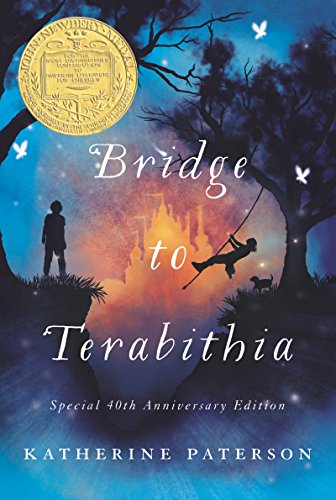
This book captures the intense power of childhood imagination as a sanctuary from the difficulties of the real world. Much like Max's island, Terabithia serves as a crucial emotional outlet for its protagonists to process their feelings and grow.

by Neil Gaiman
This story mirrors the 'be careful what you wish for' aspect of Max's journey, exploring a child's desire to escape their reality and the slightly unsettling consequences that follow. It captures the dark, adventurous spirit of childhood exploration perfectly.

A classic companion to Sendak's work, this book celebrates the boundless power of a child's creativity to construct their own reality. It shares the minimalist, focused narrative style that centers entirely on the child's internal experience.

Love to read on the go?
Explore Kindle e-readers and take your books with you.
As an Amazon Associate, we earn from qualifying purchases.

Also by Sendak, this book shares the exact same dream-logic and artistic style found in 'Where the Wild Things Are.' It features a young protagonist navigating a surreal, fantastical landscape that feels simultaneously dangerous and comforting.

This masterpiece explores the emotional landscape of childhood through a journey to strange, distant places. It shares the profound, contemplative nature of Max’s trip, reminding readers that the most important things in life are often found within.

by Grace Lin
This story beautifully blends folklore and adventure, focusing on a young protagonist who sets out to change her family's fortune. It echoes the themes of courage, imagination, and the transformative power of a journey away from home.

Another Sendak classic that delves into the darker, more complex emotions of childhood, such as jealousy and responsibility. It features the same hauntingly beautiful atmosphere and the idea that children must navigate their own 'wild' challenges.
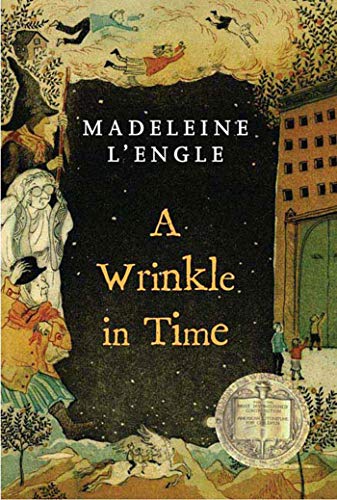
This book captures the feeling of being an outsider and the necessity of embarking on a strange, frightening journey to save what matters most. It shares the theme of a child's emotional growth through an experience that defies logic and reality.

This story resonates with the emotional core of 'Where the Wild Things Are,' focusing on the deep, transformative power of love and the desire to be 'real.' It offers a gentle, poignant look at the emotional development of a child and their companions.

Not sure what they've already read?
Let them pick their next favorite with an Amazon Gift Card.
As an Amazon Associate, we earn from qualifying purchases.
As an Amazon Associate, we earn from qualifying purchases.