

Based on your book
Where They Burn Books, They Also Burn People
by Marcos Antonio Hernandez
Where They Burn Books, They Also Burn People drops you into a past where ideas are dangerous and knowledge is a weapon. Marcos Antonio Hernandez pulls back the curtain on a society grappling with the chilling reality of censorship, where the destruction of literature is just the first step in a larger, more sinister agenda against its people. The reading experience here is intense and deeply thought-provoking, a dark historical journey that doesn't shy away from the brutal realities of power dynamics and political intrigue. You'll feel the weight of every difficult choice and the desperate fight for survival. This book is for readers who appreciate historical fiction that challenges them to consider the profound human cost of oppression, offering a stark reminder of why intellectual freedom is so vital. It's a compelling look at how easily a society can unravel when truth becomes a casualty.
10 Books similar to 'Where They Burn Books, They Also Burn People'
If Marcos Antonio Hernandez's Where They Burn Books, They Also Burn People left you contemplating the fragility of truth and the devastating impact of censorship, you're in good company. We've curated a list of powerful reads that echo its intense historical perspective and critical social commentary. Each of these books, from the stark dystopias of Fahrenheit 451 and 1984 to the harrowing historical accounts in The Book Thief and Night, grapples with themes of intellectual suppression, totalitarian control, and the enduring human spirit in the face of overwhelming oppression. They all explore the profound cost when ideas are deemed dangerous and the fight for freedom becomes a matter of survival.
As an Amazon Associate, we earn from qualifying purchases.

by Ray Bradbury
This iconic dystopian novel directly addresses the themes of censorship and intellectual suppression, depicting a future where firemen burn books to maintain societal control. Readers will appreciate the intense exploration of knowledge, rebellion, and the critical importance of ideas, mirroring the core message of Hernandez's work.

Orwell's masterpiece vividly portrays a totalitarian regime that manipulates truth, history, and language to control its citizens, echoing the dangers of unchecked power and the suppression of individual thought. Fans will recognize the chilling atmosphere and the profound exploration of freedom and oppression.

by Markus Zusak
Narrated by Death, this historical novel set during Nazi Germany explores the power of words and books amidst extreme censorship and human cruelty. Its poignant narrative and focus on a young girl's love for literature in a time of book burning will resonate deeply with readers of Hernandez's work.

This chilling dystopian novel depicts a totalitarian theocracy where women are stripped of their rights and forced into servitude, highlighting themes of oppression, control over information, and the fight for freedom. Its intense social commentary and exploration of human resilience will appeal to those who appreciate critical examinations of power.

Love to read on the go?
Explore Kindle e-readers and take your books with you.
As an Amazon Associate, we earn from qualifying purchases.
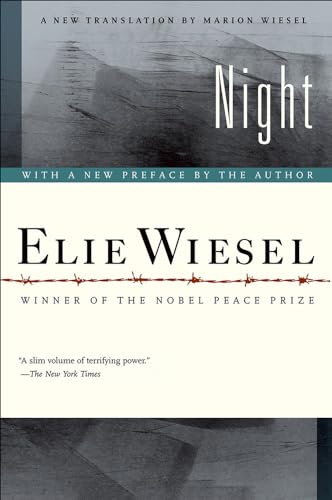
by Elie Wiesel
This powerful memoir recounts Wiesel's personal experiences as a teenager in Nazi concentration camps during the Holocaust, offering a harrowing look at human cruelty, loss of faith, and the struggle for survival. Its raw emotional intensity and historical significance align with the profound human cost explored in Hernandez's title.

A monumental non-fiction work, this book meticulously documents the Soviet forced labor camp system, exposing the brutal realities of totalitarian repression and the systematic erasure of human dignity. Readers seeking a deep, analytical dive into historical oppression and its mechanisms will find this compelling.
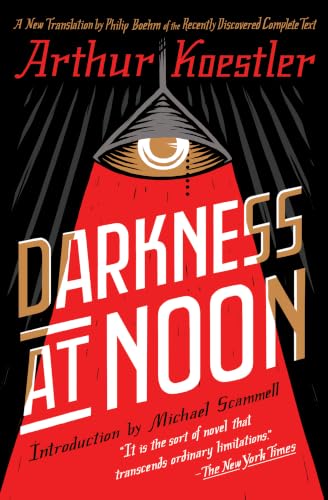
This classic novel delves into the psychological torment of an Old Bolshevik during a show trial in a totalitarian state, exploring themes of ideological betrayal, political purges, and the corruption of truth. Its intense, introspective narrative offers a profound look at the individual's struggle against an oppressive system.

Set in post-WWII Germany, this novel explores themes of guilt, judgment, illiteracy, and the legacy of the Holocaust through a complex relationship between a young man and an older woman. Its nuanced examination of moral ambiguity and historical accountability will resonate with readers drawn to profound ethical questions.

by Philip Roth
This alternate history novel imagines a fascist America in the 1940s, exploring the insidious rise of authoritarianism, xenophobia, and political paranoia from a personal perspective. Its chilling depiction of a society succumbing to oppression offers a powerful parallel to the themes of intellectual and social freedom.

Set against the backdrop of the 1968 Prague Spring and subsequent Soviet invasion, this philosophical novel explores themes of love, freedom, fate, and the meaning of existence under political oppression. Its lyrical prose and deep introspection offer a unique perspective on living authentically in a controlled world.

Not sure what they've already read?
Let them pick their next favorite with an Amazon Gift Card.
As an Amazon Associate, we earn from qualifying purchases.
As an Amazon Associate, we earn from qualifying purchases.