

Based on your book
Where We Call Home
by M. Hartley
Where We Call Home gently pulls you into the lives of Theo and Rhodes, two individuals who have both faced profound loss and are navigating the arduous path of rebuilding. Theo, back in her small Texas hometown after a life-altering event, must confront a past she tried to leave behind while piecing together a future she never envisioned. Rhodes, having walked through his own fire, recognizes a kindred spirit in Theo's quiet strength and her struggles. Their connection isn't sudden, but a tender, deeply felt journey toward a second chance at love and healing. This book moves with a heartfelt pace, allowing you to truly inhabit the characters' emotional landscapes. If you love stories where resilience, profound character growth, and the comforting embrace of community lead to a truly earned romance, you'll feel right at home with this one.
10 Books similar to 'Where We Call Home'
If you found yourself captivated by Theo and Rhodes' journey of healing and finding a renewed sense of purpose in Where We Call Home, then you'll appreciate the spirit woven through these recommendations. Many of these books delve into similar themes of self-sufficiency, deep connection to place, and the powerful process of rebuilding a life after significant adversity. Whether it's the introspective exploration of nature in Walden, the raw and transformative self-discovery in Wild, or the resilience found in forging an unconventional path in Educated, these stories celebrate the strength of the human spirit and the profound impact of finding one's true home.
As an Amazon Associate, we earn from qualifying purchases.

This foundational text on simple living and self-sufficiency deeply resonates with the spirit of "Where We Call Home." Thoreau's detailed reflections on his time spent living deliberately in nature explore themes of independence, environmental connection, and the true meaning of a meaningful life.

Kimball's memoir chronicles her journey from city life to starting a full-diet farm with her husband, embracing the challenges and joys of self-sufficient living. Readers will appreciate the honest portrayal of building a home and a life connected to the land, much like Hartley's narrative.

This book details a family's year-long commitment to eating only food they grew themselves or sourced locally, offering a compelling narrative about sustainable living and connection to place. It shares "Where We Call Home"'s emphasis on practical self-sufficiency and environmental awareness within a family context.

Kimmerer, a botanist and member of the Citizen Potawatomi Nation, weaves together scientific understanding with Indigenous wisdom to explore our relationship with the natural world. Its lyrical prose and deep reverence for the land will appeal to readers who appreciate the reflective and nature-centric aspects of Hartley's work.

Not sure what they've already read?
Let them pick their next favorite with an Amazon Gift Card.
As an Amazon Associate, we earn from qualifying purchases.

Strayed's powerful memoir recounts her solo hike along the Pacific Crest Trail as a journey of healing and self-discovery after personal tragedy. Fans of "Where We Call Home" will connect with the theme of finding oneself through an arduous, immersive experience in nature and overcoming significant challenges.

This classic details the Nearings' lifelong commitment to homesteading and simple, ethical living, providing both practical advice and philosophical insights into their off-grid lifestyle. It's a foundational text for anyone interested in the self-sufficiency and intentional living themes central to "Where We Call Home."

Westover's memoir tells the incredible story of her upbringing in an isolated, fundamentalist family in rural Idaho and her journey to education and self-reinvention. While more intense, it shares themes of unconventional home life, resilience, and the profound impact of environment on identity, resonating with the struggle and growth in Hartley's narrative.

Dillard's Pulitzer Prize-winning work is a lyrical, philosophical exploration of nature, observation, and existence, centered around her experiences in the Roanoke Valley. Its deep contemplation of the natural world and introspective style will appeal to readers who enjoy the reflective and atmospheric qualities of "Where We Call Home."
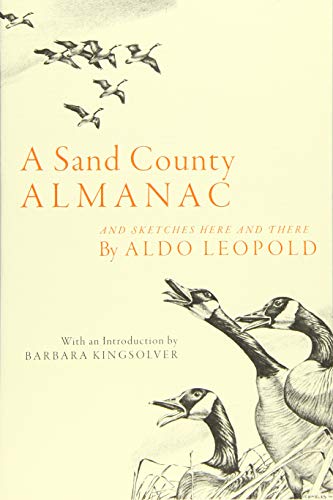
by Aldo Leopold
This seminal work of environmental literature presents a series of essays on nature, conservation, and the concept of a "land ethic," advocating for a harmonious relationship between humans and the environment. It offers a broader, intellectual framework for the deep connection to place and ecological awareness found in Hartley's book.
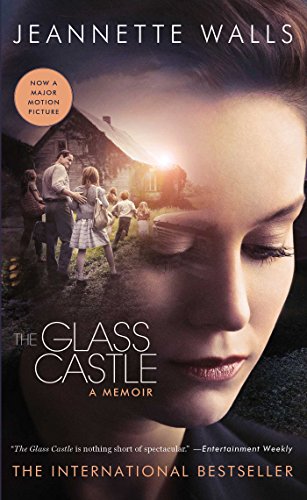
Walls' memoir vividly recounts her unconventional and poverty-stricken upbringing with eccentric, artistic parents, and her eventual journey to forge her own path. Readers who appreciate the resilience, family dynamics, and search for a true sense of home in "Where We Call Home" will find a compelling, albeit more dramatic, parallel here.

Love to read on the go?
Explore Kindle e-readers and take your books with you.
As an Amazon Associate, we earn from qualifying purchases.
As an Amazon Associate, we earn from qualifying purchases.