

Based on your book
Whither the Postmodern Library?
by William H. Wisner
Whither the Postmodern Library? offers an intimate, often melancholic look at the quiet revolution transforming our libraries. William H. Wisner, writing from the trenches as a practicing librarian, explores how the digital age has reshaped these beloved institutions, from the disappearance of the card catalog to the shifting role of librarians themselves. You'll find yourself nodding along as he dissects the cultural analysis, the power dynamics, and the existential crisis facing libraries, where "information" increasingly overshadows "knowledge." This isn't a dry academic text; it's a series of thought-provoking observations, at times nostalgic, at times sharply cynical, that lay bare the behind-the-scenes struggles. If you care deeply about the fate of public spaces, the value of physical books, and the human element in an increasingly digital world, this book will resonate with you.
10 Books similar to 'Whither the Postmodern Library?'
If you found yourself captivated by William H. Wisner's observations in Whither the Postmodern Library?, you'll find kindred spirits in these recommendations. We’ve gathered books that echo his thoughtful cultural analysis of libraries in crisis, exploring the profound shifts from physical to digital spaces. Whether you're drawn to the existential questions about the future of knowledge institutions, the quiet power dynamics at play, or the enduring value of deep reading in a distracted world, these titles offer further illumination and comfort. They celebrate the human spirit of librarianship while grappling with the real challenges of our time.
As an Amazon Associate, we earn from qualifying purchases.

Like Wisner, Darnton explores the shifting landscape of libraries and the written word in the digital age. This collection of essays provides a scholarly yet accessible defense of the physical book and the institutional role of libraries.

by John Palfrey
This book mirrors Wisner's concern for the survival of libraries, offering a strategic look at how these institutions must evolve to remain relevant. It balances a love for tradition with the necessity of technological adaptation.

by Andrew Pettegree and Arthur der Weduwen
This comprehensive history echoes Wisner's elegiac tone regarding the vulnerability of libraries throughout time. It provides the historical context necessary to understand the 'postmodern' crisis Wisner describes.

Manguel shares Wisner's deeply personal and philosophical connection to the physical space of the library. His prose is lyrical and meditative, focusing on the library as a symbol of human thought and memory.

Prefer to listen?
Try Audible and hear the story instead of reading it.
As an Amazon Associate, we earn from qualifying purchases.

by Kyle Cassidy
While more visual, this book captures the human element of the profession that Wisner defends. It highlights the diversity and passion of librarians fighting to maintain their spaces in a changing world.
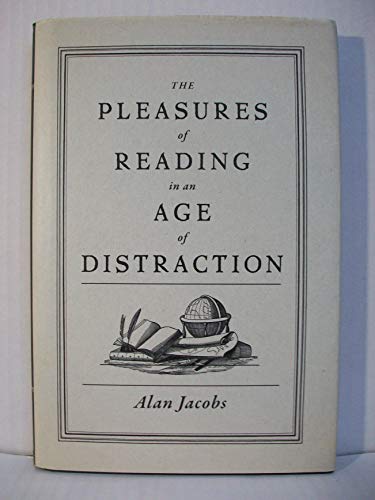
by Alan Jacobs
Jacobs addresses the psychological and cultural shifts in how we consume information, a central theme in Wisner's critique of postmodernity. It encourages a return to deep, serendipitous reading.

by David Mikics
This book serves as a practical and philosophical companion to Wisner's lament over the 'fast-food' nature of modern information. It advocates for the contemplative life that libraries traditionally fostered.

Carr provides the scientific and cultural weight to Wisner's anxieties about the digital shift. It explores how the loss of the 'library mindset' is physically altering our capacity for deep thought.
by Joan Frye Williams and Gina Sheridan
This work explores the democratic mission of the library, touching on the political and social tensions Wisner identifies. It offers a boots-on-the-ground perspective of the institutional changes he critiques.

For readers who appreciated Wisner's focus on the 'thingness' of books, Houston provides a fascinating look at the physical evolution of the codex. It reinforces the value of the material library.

Love to read on the go?
Explore Kindle e-readers and take your books with you.
As an Amazon Associate, we earn from qualifying purchases.
As an Amazon Associate, we earn from qualifying purchases.