

Based on your book
Who is Government?
by Michael Lewis
Michael Lewis turns his focus toward the faceless machinery of the state, asking a deceptively simple question: who actually performs the work of our government? Instead of focusing on the loud, performative theater of elected politicians, Lewis embeds himself with the career civil servants and quiet experts who keep the infrastructure of society running. The reading experience is less about ideological debate and more about practical, ground-level observation. He peels back layers of bureaucracy to reveal the human beings behind the agency acronyms, often highlighting the friction between political appointees and the institutional memory of the career staff. It is a sharp, analytical look at competence and systemic neglect that feels both urgent and deeply grounded. This book is for the reader who prefers the mechanics of how things work over political rhetoric and wants to understand the quiet power dynamics that shape daily life.
10 Books similar to 'Who is Government?'
If the analytical rigor of this book hit the mark for you, these selections are curated to deepen your understanding of institutional power and human fallibility. Whether it is the investigative journalism of Patrick Radden Keefe or the historical weight of Robert A. Caro, each title explores the tension between individual ambition and the systems we rely on. We chose these books because they share that specific, observational DNA, focusing on the hidden figures and systemic failures that often go unnoticed in standard political reporting. They provide the necessary context to further your study of modern governance.
As an Amazon Associate, we earn from qualifying purchases.

As the most direct companion to Lewis's exploration of government function, this book offers the same deep-dive investigative journalism into the inner workings of federal agencies. It shares the author's signature analytical style and his ability to humanize complex bureaucratic systems through compelling, character-driven narratives.
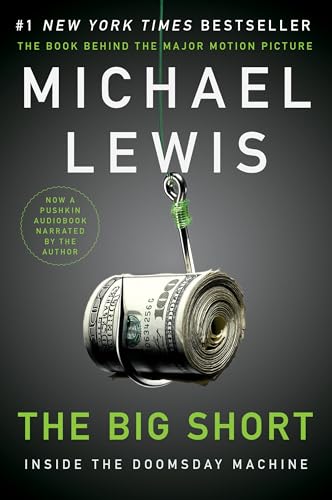
For readers who appreciated the investigative rigor of Lewis's look at government, this classic provides a similar 'behind the curtain' perspective on the financial crisis. It matches the fast-paced, witty narrative voice and the focus on systemic failure and individual culpability.

Like Lewis, Keefe excels at exposing the systems of power that shape modern life, focusing here on corporate and political influence. This book offers a similarly meticulous, investigative approach that reveals the hidden mechanisms behind a massive public crisis.

This narrative non-fiction reads like a thriller while dissecting the collapse of Theranos, mirroring Lewis's interest in how institutions fail due to human hubris. It provides a gripping, observational account of how unchecked ambition can manipulate government and public trust.

Love to read on the go?
Explore Kindle e-readers and take your books with you.
As an Amazon Associate, we earn from qualifying purchases.

This book directly complements the themes of government preparedness and failure found in Lewis's other works. It focuses on the specific individuals within the system who tried to warn the government, offering a poignant look at the struggle between expertise and bureaucracy.

by Jane Mayer
Readers interested in the 'who' behind government policy will find this deep dive into political influence essential. It shares the analytical, investigative depth of Lewis's work while exposing the vast, often invisible networks that shape democratic governance.

This is the definitive text on how government power is actually wielded, making it a perfect match for those curious about the mechanics of authority. Like Lewis, Caro writes with incredible narrative drive, turning complex political history into a gripping character study.

Focusing on the 'rigged' nature of high-frequency trading, this book shares the same DNA as Lewis's other works regarding systemic unfairness. It is perfect for readers who enjoy his ability to explain complex technical systems through the eyes of the people who discovered the flaws.

by Jacob S. Hacker and Paul Pierson
If the reader is looking for a more academic but equally compelling explanation of why government policy often favors the few, this book is an excellent follow-up. It provides the structural context that complements Lewis's more narrative-driven, character-focused approach.

This collection of essays applies Lewis's observant, witty, and analytical lens to the global financial crisis, showing how national character influences government policy and economic stability. It captures the same 'vibe' of traveling to the source to understand the truth behind the headlines.

Not sure what they've already read?
Let them pick their next favorite with an Amazon Gift Card.
As an Amazon Associate, we earn from qualifying purchases.
As an Amazon Associate, we earn from qualifying purchases.