

Based on your book
Why the World Needs China
by Ferrana, Kyle
Kyle Ferrana steps away from the typical alarmist rhetoric surrounding Beijing to offer a cool-headed, structural analysis of our interconnected future. The book moves beyond the binary of friend or foe, instead treating China’s rise as a complex, inevitable reality that requires a new vocabulary for global engagement. The prose is steady and observational, favoring historical context and systemic power dynamics over sensationalist headlines. You will find that Ferrana writes with the precision of a political scientist but the accessibility of a seasoned journalist, keeping the pacing brisk even when wading into dense economic theories. This is an ideal choice for the reader who is exhausted by partisan shouting matches and wants a nuanced, intellectual framework to understand how the global order is shifting toward a multipolar reality.
10 Books similar to 'Why the World Needs China'
Since Ferrana encourages a more sophisticated view of global power, these books serve as the perfect follow-up to his central thesis. We have curated this list to help you build a complete picture of the geopolitical landscape, ranging from the domestic ideological shifts explored by Elizabeth C. Economy to the historical patterns of conflict analyzed by Graham Allison. Whether you want to examine China’s economic footprint in the Belt and Road Initiative or understand the internal motivations of its leadership, these selections deepen the conversation about how we adapt to a changing world.
As an Amazon Associate, we earn from qualifying purchases.

Like Ferrana's work, this book offers a deep, analytical dive into China's historical and political trajectory, providing essential context for its modern global position. It is an indispensable read for anyone interested in the strategic relationship between China and the West.
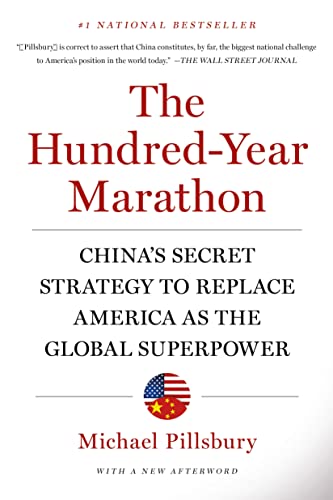
This book provides a contrasting but equally essential perspective on China's long-term strategic ambitions, making it a perfect companion for readers who want to understand the full spectrum of geopolitical debate surrounding China. It challenges the reader to think critically about global power shifts.

Allison examines the historical patterns of rising powers and the risks of conflict, offering a framework that complements Ferrana's arguments about the necessity of cooperation. It is a vital read for understanding the structural tensions defining the current international order.

by Tom Miller
This book focuses on the Belt and Road Initiative, providing a granular, on-the-ground look at China's economic expansion, which aligns closely with Ferrana's exploration of China's global economic footprint. It offers a clear-eyed assessment of the infrastructure and political capital being deployed across Asia.

Prefer to listen?
Try Audible and hear the story instead of reading it.
As an Amazon Associate, we earn from qualifying purchases.

Focusing on the internal shifts within China under Xi Jinping, this book provides the necessary domestic context to understand the external policies discussed in Ferrana's work. It is an essential read for those looking to understand the ideological and administrative changes driving China today.
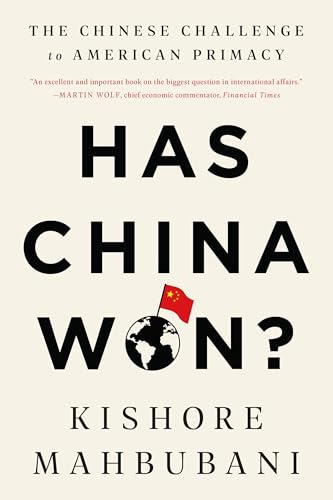
Mahbubani offers a provocative, non-Western-centric analysis of the China-US relationship, mirroring the balanced and often contrarian approach found in Ferrana's arguments. It encourages readers to look beyond traditional narratives and consider the perspectives of the Global South.

by Orville Schell and John Delury
Through the biographies of key Chinese figures, this book traces the intellectual and political history of modern China, providing the historical narrative that underpins the contemporary analysis in Ferrana's book. It is a masterful blend of history and political science.

Schuman re-frames world history from a Chinese perspective, helping readers understand the deep-seated national identity and historical pride that fuel China's modern ambitions. This book is crucial for grasping the 'why' behind the 'what' in China's current geopolitical strategy.
This book explores China's growing influence in the Middle East and Central Asia, expanding on the global theme of Ferrana's work by focusing on specific, under-examined regions. It provides a detailed look at how Chinese engagement is reshaping local politics and economies.

Mahbubani argues for the necessity of global cooperation in an increasingly interconnected world, echoing Ferrana's call for a more nuanced and collaborative approach to China's rise. It is a hopeful yet realistic look at how global governance must evolve.

Love to read on the go?
Explore Kindle e-readers and take your books with you.
As an Amazon Associate, we earn from qualifying purchases.
As an Amazon Associate, we earn from qualifying purchases.