

Based on your book
Why We Sleep
by Walker PhD, Matthew
Matthew Walker shifts the conversation around sleep from a mere biological necessity to the single most effective performance enhancer available to us. He breaks down the complex architecture of our nightly rest, examining how it influences everything from memory consolidation and emotional regulation to our immune system and long-term health. The writing is dense with data, yet it maintains a conversational clarity that makes the science feel urgent rather than clinical. You will likely feel a mix of fascination and mild alarm as he reveals how modern lifestyle choices subtly dismantle our natural rhythms. This is an essential read for the data-driven person who wants to understand the mechanics of their own body, or anyone who has ever wondered why they feel like a shell of themselves after a poor night of rest.
10 Books similar to 'Why We Sleep'
Since you appreciated the way Walker uses rigorous science to pull back the curtain on our daily biology, these selections were curated to satisfy that same intellectual itch. Whether you are looking for more deep-dives into human physiology like The Body Keeps the Score, or aiming to hack your own daily performance through books like The Circadian Code, this list focuses on books that turn observational research into actionable self-improvement. Each title here treats the human experience as a puzzle to be solved, favoring evidence-based inquiry over generic advice.
As an Amazon Associate, we earn from qualifying purchases.

Like Walker, Dr. Panda offers a deep dive into the biological rhythms that govern our health, providing actionable science for anyone interested in optimizing their daily life. It shares the same analytical and informative tone, focusing on how timing your habits can revolutionize your well-being.

If you enjoyed the deep scientific exploration in 'Why We Sleep', you will appreciate Sapolsky's masterful breakdown of human behavior through neuroscience. It is a comprehensive, fascinating look at the biological forces that shape our actions, written with a similarly rigorous yet accessible voice.

by James Nestor
Nestor investigates a fundamental human function we often overlook, much like Walker does with sleep, revealing how changing how we breathe can transform our health. It matches the 'hidden science' vibe of 'Why We Sleep' by uncovering profound truths about basic physiological processes.
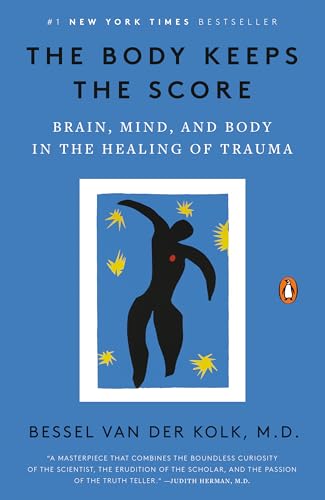
This book explores the intricate connection between our physical body and our mental state, providing a similarly profound scientific perspective on human health. Readers who appreciated Walker's focus on the biological consequences of lifestyle will find this exploration of trauma and physiology equally compelling.

Not sure what they've already read?
Let them pick their next favorite with an Amazon Gift Card.
As an Amazon Associate, we earn from qualifying purchases.

by Susan Cain
Cain uses a blend of research and storytelling to challenge our understanding of human personality, much like Walker challenges our cultural dismissal of sleep. It is an intellectual, eye-opening read that reframes a common aspect of human experience through a scientific lens.

Pink explores the 'hidden pattern' of our daily lives, focusing on how timing impacts our performance and health, which directly complements the themes in 'Why We Sleep'. It shares the same accessible, research-backed narrative style that makes complex science feel applicable to everyday life.
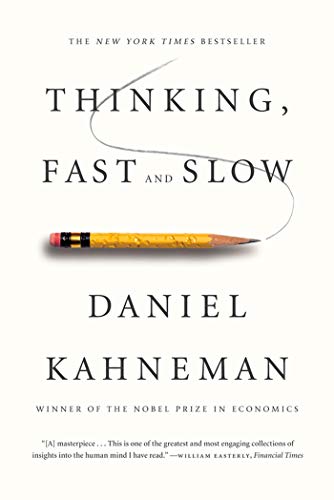
Kahneman provides a definitive look at the mechanics of the human mind, offering the same level of intellectual rigor and 'aha!' moments found in Walker's work. It is essential reading for anyone who wants to understand the biological and cognitive systems that drive our daily decisions.

Written by a neurologist, this book provides a complementary, practical guide to understanding sleep architecture and fixing sleep problems. It shares the same authoritative, science-first approach as 'Why We Sleep' but focuses heavily on clinical solutions and patient-centered advice.

Sinclair examines the biological mechanisms of aging with the same intensity and scientific depth that Walker applies to sleep. It is a thought-provoking look at human longevity that challenges conventional wisdom about health and mortality.

While broader in scope, 'Sapiens' shares the same 'big picture' scientific narrative style that fans of 'Why We Sleep' often enjoy. It provides a fascinating, analytical look at how our biology and history have shaped the modern human experience.

Prefer to listen?
Try Audible and hear the story instead of reading it.
As an Amazon Associate, we earn from qualifying purchases.
As an Amazon Associate, we earn from qualifying purchases.