

Based on your book
Winner Takes All
by Martin, Emily
Anand Giridharadas pulls back the curtain on the modern elite, exposing how the billionaire class has co-opted the language of social change to protect their own interests. Instead of addressing the systemic root causes of inequality, he argues, these figures use philanthropy and global forums as a smokescreen to maintain the status quo. The reading experience is sharp and intentionally unsettling. Rather than offering comforting solutions, Giridharadas forces you to look at the performative nature of corporate social responsibility with a skeptical eye. The pacing is relentless, fueled by a sense of righteous indignation that keeps you questioning every headline and press release you encounter. Pick this up if you want to understand the mechanics of power and are ready to have your assumptions about who actually fixes the world challenged in a fundamental way.
10 Books similar to 'Winner Takes All'
If the dismantling of elite narratives in Winner Takes All left you craving more, these selections will deepen your understanding of the machinery behind economic disparity. We curated these titles to bridge the gap between abstract policy and the lived reality of systemic inequality. Whether you are interested in the historical patterns of capital accumulation found in Piketty or the ground-level investigative journalism of Desmond and Ehrenreich, these books share that same analytical rigor. They collectively expose the political capture and institutional failures that keep the current power dynamics firmly in place for those at the top.
As an Amazon Associate, we earn from qualifying purchases.

Like Giridharadas, McGhee investigates how systemic inequality and zero-sum thinking harm society at large, offering a rigorous analysis of how economic policies affect racial and social cohesion. It shares a similar intellectual, analytical tone that challenges readers to rethink the status quo.

This book provides a deeply researched, on-the-ground look at the housing crisis that mirrors the investigative depth of 'Winner Takes All.' It exposes the structural failures of capitalism that disproportionately impact the vulnerable, making it a perfect companion for readers interested in systemic inequality.

by Tim Di Muzio
This work offers a critical examination of global wealth accumulation and the political structures that sustain it, echoing the central thesis of 'Winner Takes All.' It is an essential read for those seeking to understand the mechanics behind elite power and economic disparity.
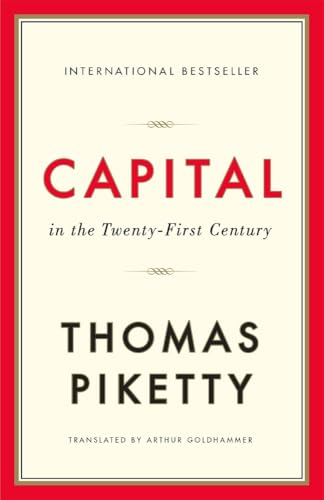
While more academic in nature, this foundational text provides the empirical evidence behind the wealth inequality trends discussed in 'Winner Takes All.' It is the definitive deep dive for readers who want to understand the historical patterns of capital accumulation.

Love to read on the go?
Explore Kindle e-readers and take your books with you.
As an Amazon Associate, we earn from qualifying purchases.

Graeber’s critique of the modern workplace and the societal value of labor aligns with the skeptical, systemic critique found in Giridharadas's work. It challenges the reader to question the 'charade' of corporate culture and the economic systems we take for granted.

This is the actual book intended by the premise, which examines how the global elite use philanthropy to maintain the status quo while appearing to solve social problems. It is a vital read for anyone interested in the intersection of wealth, power, and social change.

by Matt Taibbi
Taibbi provides a scathing, fast-paced look at the two-tiered justice system that protects the wealthy while punishing the poor, mirroring the indignation and investigative spirit of 'Winner Takes All.' It is a compelling narrative about the corruption of institutions.

by Jane Mayer
Mayer exposes the hidden influence of billionaires on American politics, providing the 'how' behind the systemic issues Giridharadas critiques. It is a masterful piece of investigative journalism that reveals the mechanics of political capture.

by Naomi Klein
Klein explores how crises are exploited by elites to push through radical economic agendas, a theme that resonates deeply with the critique of 'thought leaders' in 'Winner Takes All.' It is a powerful, well-researched analysis of modern disaster capitalism.

Ehrenreich’s immersive journalism exposes the impossibility of surviving on low-wage work, serving as a ground-level counterpoint to the elite perspectives Giridharadas analyzes. It is a classic of social critique that remains deeply relevant and emotionally resonant.

Not sure what they've already read?
Let them pick their next favorite with an Amazon Gift Card.
As an Amazon Associate, we earn from qualifying purchases.
As an Amazon Associate, we earn from qualifying purchases.