

Based on your book
Witchcraft
by Gibson, Marion
Marion Gibson takes a cold, hard look at the figure of the witch, peeling back the layers of myth and pop culture to reveal the messy, often violent reality of how we have historically weaponized the term. Instead of focusing solely on the folklore, she examines the power dynamics and societal anxieties that allowed these persecutions to flourish. The writing is sharp and analytical, stripping away the romanticism often associated with witchcraft to focus on the human cost of mass hysteria. It feels like a lecture from a brilliant, no-nonsense professor who expects you to keep up with her historical rigor. This is for readers who prefer their history unvarnished and are interested in the structural mechanics of social exclusion and the ways history repeats itself when fear overrides reason.
10 Books similar to 'Witchcraft'
If Gibson's investigation into the mechanics of persecution piqued your interest, these selections expand on the themes of social control, historical trauma, and the evolution of belief. We chose these titles because they bridge the gap between academic structural analysis and the lived experiences of those caught in the crosshairs of history. Whether you want to explore the economic catalysts of witch hunts, the primary source voices of the accused, or the broader intellectual history of magic, these books provide the necessary context to deepen your understanding of why we fear the witch.
As an Amazon Associate, we earn from qualifying purchases.

by Stacy Schiff
Like Gibson's work, this book provides a meticulously researched, narrative-driven account of historical witch trials. It excels at humanizing the victims and accusers while dissecting the societal hysteria that fueled the persecution.

by Margot Adler
This classic study of Neopaganism offers a scholarly yet accessible look at the evolution of witchcraft practices. Readers who appreciated the historical context in Gibson's book will value this deep dive into the cultural and spiritual roots of modern witchcraft.

Gaskill provides a concise, expert overview of the history of witchcraft across different cultures and eras, mirroring the analytical and historical rigor found in Gibson's writing. It is an essential companion for anyone wanting to understand the broader patterns of witch-hunting.

This collection of primary source documents brings the reader directly into the historical record of witch trials, much like Gibson's focus on the trials themselves. It provides an unfiltered look at the voices of those accused and their accusers, offering a chilling, authentic perspective.

Not sure what they've already read?
Let them pick their next favorite with an Amazon Gift Card.
As an Amazon Associate, we earn from qualifying purchases.

This seminal text explores the transition from feudalism to capitalism and its connection to the witch hunts, providing a broader political and economic framework for the persecution. It appeals to readers who enjoy Gibson's ability to connect individual trials to larger societal structures.

by Rocky Woods
This accessible and visually engaging history provides a global perspective on witch hunts, making complex historical themes easier to digest without sacrificing accuracy. It aligns with Gibson's goal of illustrating the persistence and recurring nature of these persecutions.

Much like Gibson seeks to restore the humanity of those accused of witchcraft, this book shifts the focus from the killer to the victims, telling their life stories. It shares a similar narrative style that emphasizes historical recovery and empathy.
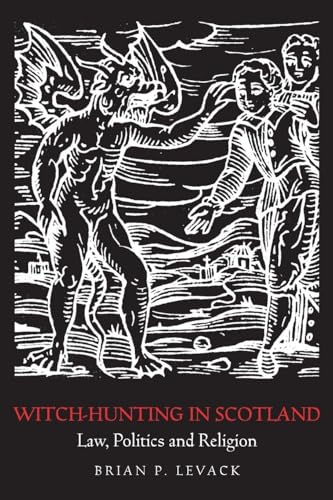
For readers who want a more specialized and academic look at the mechanics of witch trials, this book offers a deep dive into the legal and political structures of the time. It complements Gibson's narrative approach with rigorous structural analysis.

by Stuart Clark
This comprehensive study explores how early modern people thought about the world, including the role of magic and the devil, providing the intellectual context for witch trials. It is perfect for readers who enjoyed the 'why' behind the historical events in Gibson's work.

While this is a work of historical fiction, it captures the atmosphere and societal paranoia surrounding occultism in pre-revolutionary Russia with the same intensity Gibson brings to her trials. It provides a narrative experience that echoes the dark, historical themes of actual witch hunts.

Prefer to listen?
Try Audible and hear the story instead of reading it.
As an Amazon Associate, we earn from qualifying purchases.
As an Amazon Associate, we earn from qualifying purchases.