
Based on your book
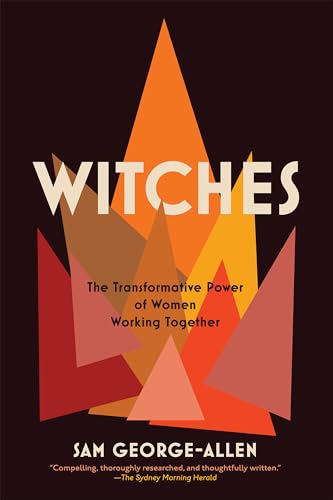
Witches
by George-Allen, Sam
Sam George-Allen moves beyond the familiar folklore of broomsticks and bubbling cauldrons to examine the witch as a symbol of female autonomy and societal anxiety. This is not a dry history text but a sharp, analytical look at how the label of witch has been used as a weapon to discipline women who threaten established power structures. The writing feels like a conversation with an incredibly well-read friend who is eager to dismantle the myths we have been fed for centuries. You will find yourself pausing to reflect on how these historical patterns of surveillance and fear still manifest in our modern culture. It is an ideal pick for readers who enjoy cultural criticism that feels urgent and personal, and who want to move past the surface-level tropes to understand the real-world implications of the witch figure.
10 Books similar to 'Witches'
Since you appreciated how George-Allen dissects the historical weaponization of female power, these books serve as a bridge into both the factual origins of that fear and its fictional manifestations. Whether you choose the meticulous historical accounts of the Salem trials, the reclaiming of the witch archetype in mythological retellings, or the exploration of religious fanaticism in speculative fiction, each selection deepens the conversation. They all share a focus on how communities crumble under the weight of paranoia and how women navigate the dangerous, often lethal, boundaries imposed by patriarchal systems.
As an Amazon Associate, we earn from qualifying purchases.

by Stacy Schiff
Like Schanzer's work, this is a meticulously researched and gripping account of the Salem witch trials that treats the historical figures with psychological depth. It captures the same hysteria and societal unraveling, making it perfect for readers who want a deeper, more adult dive into the same subject matter.

by Libba Bray
This historical novel captures the oppressive atmosphere of the Victorian era while weaving in elements of the supernatural and the dangerous allure of hidden worlds. Readers who enjoyed the tension and societal constraints depicted in Salem will appreciate the dark, gothic tone and the focus on young women navigating restrictive power structures.

As the definitive dramatization of the Salem witch trials, this play is essential reading for anyone interested in the themes of paranoia, reputation, and political hysteria. It mirrors the core subject matter of the trials while providing a timeless exploration of how fear can destroy a community.

For readers fascinated by the archetype of the 'witch' and how society treats powerful, independent women, this reimagining of Greek mythology is a perfect companion. It shares a focus on isolation, female agency, and the struggle to define oneself against the judgment of others.

Not sure what they've already read?
Let them pick their next favorite with an Amazon Gift Card.
As an Amazon Associate, we earn from qualifying purchases.

This novel blends historical horror with a dark, puritanical setting that feels very much like an evolution of the Salem narrative. It explores themes of religious fanaticism, misogyny, and rebellion against a patriarchal system, echoing the struggles found in historical accounts of witch hunts.

by Maryse Condé
This book provides a vital, necessary counter-perspective to the traditional Salem narrative by centering the enslaved woman who was the first to be accused. It is a powerful, reflective, and deeply humanizing story that adds crucial context to the events of 1692.

Set in an alternate 1893, this story explores the history of witchcraft as a tool for political change and women's rights. It shares the same thematic interest in the persecution of women and the reclamation of power, wrapped in a compelling, magical narrative.

by Mira Grant
While more contemporary in setting, this story captures the feeling of being an outsider in a town filled with dark, buried secrets. Fans of the investigative aspect of Salem will enjoy the slow-burn mystery and the creeping sense of dread that permeates the small-town setting.

Hoffman explores the multi-generational experience of being a 'witch' in a society that fears and shuns what it does not understand. It balances the darker, historical weight of the witch archetype with a focus on family bonds and the resilience of women.

Inspired by real historical events, this novel depicts a remote community devastated by a storm and the subsequent witch trials that follow. It captures the same claustrophobic, high-stakes atmosphere of a community turning against its own members due to fear and religious fervor.

Prefer to listen?
Try Audible and hear the story instead of reading it.
As an Amazon Associate, we earn from qualifying purchases.
As an Amazon Associate, we earn from qualifying purchases.