

Based on your book
With the Grain of the Universe
by Hauerwas, Stanley
In this dense and demanding work, Hauerwas sets out to dismantle the common assumption that Christian theology needs to justify itself to the standards of modern secular philosophy. He argues that the church has mistakenly tried to prove its relevance by appealing to natural theology, a move he believes strips the faith of its radical, counter-cultural power. Instead, he insists that we should live according to the grain of the universe as revealed in the life and death of Jesus. The reading experience is less like consuming a narrative and more like engaging in a long, rigorous debate with a brilliant professor who refuses to let you settle for easy answers. It is best suited for readers who enjoy wrestling with heavy philosophical questions and are willing to have their most fundamental assumptions about the relationship between church and state turned upside down.
10 Books similar to 'With the Grain of the Universe'
Since you enjoyed the intellectual rigor of Hauerwas, these selections help map the broader landscape of his theological project. We chose these titles because they echo his obsession with the church as a distinct political entity and his skepticism toward modern secularism. Whether you are looking for the historical foundations of his arguments in Barth and Tolstoy, or the practical, lived-out implications found in the work of Bonhoeffer and Willimon, these books provide the necessary context to further explore his critique of the modern moral imagination and his call to a more faithful, unconventional witness.
As an Amazon Associate, we earn from qualifying purchases.

by Karl Barth
As the primary theological interlocutor for Hauerwas in his Gifford Lectures, Barth provides the foundational framework for the critique of natural theology found in 'With the Grain of the Universe'. Readers who appreciate Hauerwas's rigorous, dialectical approach to faith and culture will find the source material here both challenging and deeply rewarding.

MacIntyre’s work on virtue ethics is a crucial companion to Hauerwas's political theology, offering a similar critique of modernity and the Enlightenment project. Readers will recognize the same commitment to restoring moral tradition and community-based ethics that underpins Hauerwas's arguments.

Yoder’s seminal work is the bedrock of the pacifist, ecclesial theology that Hauerwas champions throughout his career. Fans of Hauerwas will appreciate the same radical insistence on the church as a distinct, counter-cultural political entity that refuses to conform to the state.

by Stanley Hauerwas and William H. Willimon
This book serves as a more accessible, practical application of the theological vision Hauerwas develops in his more academic works. It captures his signature provocative voice while outlining how the church can live faithfully as a 'colony' within a secular society.

Not sure what they've already read?
Let them pick their next favorite with an Amazon Gift Card.
As an Amazon Associate, we earn from qualifying purchases.

by Leo Tolstoy
Tolstoy’s non-fiction critique of state power and Christian non-violence deeply influenced the theological tradition Hauerwas operates within. The book shares a similar relentless, uncompromising tone regarding the demands of the Gospel on the life of the individual and society.

by Rod Dreher
While coming from a different ecclesial tradition, Dreher engages with many of the same concerns as Hauerwas regarding the church's survival in a post-Christian, secular culture. Readers interested in Hauerwas's 'politics of the church' will find this a contemporary, albeit controversial, engagement with similar themes.
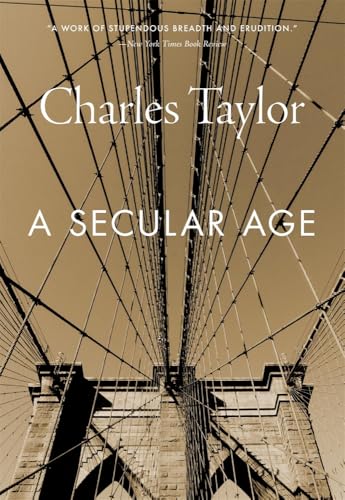
Taylor provides the massive historical and philosophical backdrop for understanding the 'modernity' that Hauerwas critiques. It is a dense, intellectual journey that helps readers understand why the theological witness Hauerwas calls for is so difficult to maintain in our current epoch.

Bonhoeffer’s call to 'costly grace' is a spiritual and theological anchor for Hauerwas's own work on the nature of the church. The book shares a similar intensity and refusal to accommodate the Gospel to the comfortable norms of the world.
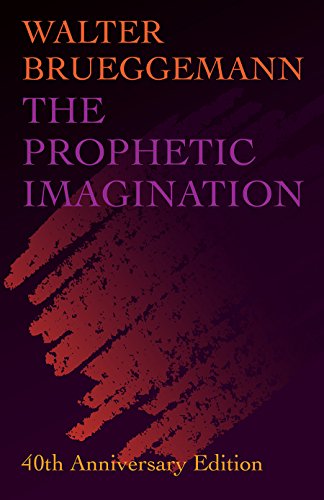
Brueggemann’s work on the prophetic task of the church mirrors Hauerwas's insistence that the church must offer an alternative reality to the dominant culture. Fans of Hauerwas's rigorous, counter-cultural theology will find Brueggemann's biblical insights highly complementary.

While Swinburne represents a more analytical, philosophical approach to theology that Hauerwas often critiques, reading him alongside Hauerwas provides a necessary, robust dialogue on the 'natural theology' debate. It is essential for understanding the specific intellectual landscape Hauerwas is navigating.

Prefer to listen?
Try Audible and hear the story instead of reading it.
As an Amazon Associate, we earn from qualifying purchases.
As an Amazon Associate, we earn from qualifying purchases.