

Based on your book
Women Without Men
by Parsipur, Shahrnush
Five women from vastly different backgrounds find their lives converging in a magical garden on the outskirts of Tehran. Parsipur crafts a narrative that feels less like a traditional novel and more like a series of interconnected dreams, where the boundaries between reality and the supernatural dissolve entirely. You will find this book quiet, strange, and deeply unsettling, as it uses fable-like imagery to explore what happens when women step outside the rigid structures of a patriarchal society. The pacing is deliberate and atmospheric, favoring philosophical reflection over quick plot twists. It is a slim volume that packs a significant emotional punch, perfect for readers who prefer their social commentary wrapped in surrealism and who are drawn to stories about the necessity of choosing one's own path, even when that choice leads to total isolation.
10 Books similar to 'Women Without Men'
If the surreal rebellion of Parsipur’s garden left you craving more, these selections expand on the themes of female agency and the struggle against systemic confinement. We curated this list to highlight how magical realism can act as a vessel for political truth, whether through the generational trauma in The House of the Spirits or the unsettling bodily autonomy explored in The Vegetarian. These books capture that same delicate balance between the personal search for freedom and the larger, often oppressive, social landscapes that these women must navigate to survive.
As an Amazon Associate, we earn from qualifying purchases.

Like Parsipur's work, this novel weaves together the lives of multiple generations of women against a backdrop of political upheaval. It masterfully blends magical realism with grounded social commentary, creating a rich tapestry of female experience and resilience.

This graphic memoir offers a poignant, firsthand look at growing up in Iran during and after the Islamic Revolution. Fans of Parsipur will appreciate the stark honesty regarding women's rights and the struggle for personal identity under a restrictive regime.

This novel uses magical realism to explore the constraints placed on women's desires and domestic lives. Its focus on the intersection of the supernatural and the deeply personal mirrors the surreal, liberating journey found in 'Women Without Men'.

Atwood's classic dystopian novel explores the total subjugation of women, echoing the themes of patriarchal control present in Parsipur's work. Both books feature protagonists who seek agency and freedom in worlds designed to strip it away.

Love to read on the go?
Explore Kindle e-readers and take your books with you.
As an Amazon Associate, we earn from qualifying purchases.

by Azar Nafisi
This memoir details a secret book club where women gather to read forbidden literature, finding solace and intellectual freedom. It captures the same spirit of clandestine female solidarity and the power of narrative to transcend oppressive environments.
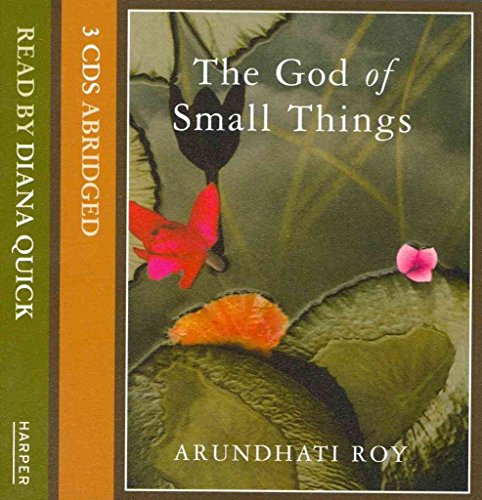
Roy's lyrical prose explores the lives of women navigating rigid social hierarchies and the consequences of breaking taboos. The atmospheric, non-linear storytelling and focus on the 'small' tragedies of life will resonate with readers of Parsipur.
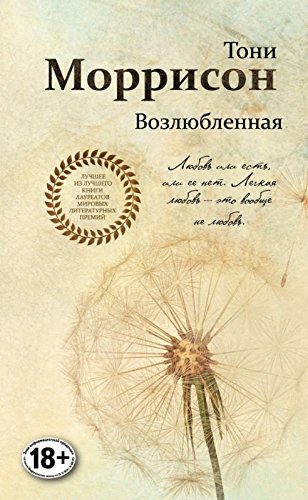
Morrison utilizes magical realism to confront the trauma of history and the haunting nature of the past. The way the supernatural manifests as a physical presence mirrors the surreal, transformative experiences of the women in Parsipur's garden.

by Han Kang
This novel follows a woman's disturbing and surreal transformation as she attempts to detach herself from human society and its expectations. It shares the same unsettling, dreamlike quality and focus on female rebellion against patriarchal norms.

While broader in scope, this novel employs magical realism to examine the post-colonial identity of a nation. Readers who enjoyed the allegorical nature of Parsipur's work will appreciate how Rushdie weaves personal history into the larger political landscape.

by Alice Walker
This epistolary novel tracks the growth and liberation of a woman from a life of abuse and silence. Its focus on the necessity of sisterhood and the reclamation of one's voice makes it a perfect thematic companion to 'Women Without Men'.

Not sure what they've already read?
Let them pick their next favorite with an Amazon Gift Card.
As an Amazon Associate, we earn from qualifying purchases.
As an Amazon Associate, we earn from qualifying purchases.