

Based on your book
Woodcutters
by Bernhard, Thomas
Woodcutters is an unrelenting, singular sentence of a book that traps you inside the mind of an intellectual forced to attend an artistic dinner party he despises. Seated in a wing chair, the narrator dissects the vanity, hypocrisy, and mediocrity of his former friends with a surgical, vitriolic precision that is as exhausting as it is addictive. The pacing is hypnotic, driven by a rhythmic, repetitive cadence that mirrors the narrator's spiraling thoughts and growing disdain for the Viennese cultural elite. This is not a book for those seeking plot-driven escapism; it is a claustrophobic, darkly funny study of professional jealousy and the erosion of the self. If you enjoy literature that functions as a high-stakes autopsy of the human ego, you will find Bernhard's specific brand of misanthropy both challenging and deeply rewarding.
10 Books similar to 'Woodcutters'
Since you appreciate the suffocating intensity of Bernhard's prose, these selections focus on authors who excel at turning the internal monologue into a weapon. We have curated works that share that same biting, outsider perspective on social decay, whether through the nihilistic satire of Celine or the minimalist existential dread of Beckett. These books mirror the obsessive, repetitive structures of Woodcutters, grounding their narratives in the intellectual rot of the past. If you are drawn to the way Bernhard exposes the dysfunctional vanity of his subjects, these titles offer a similar, unflinching gaze into the abyss.
As an Amazon Associate, we earn from qualifying purchases.
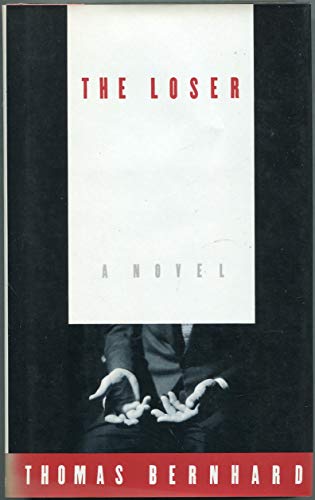
Sharing the same obsessive, repetitive, and scathing narrative voice as Woodcutters, this novel explores the destructive nature of artistic genius and failure. It is a quintessential Bernhard experience, dissecting the lives of three musicians and the crushing weight of their relationship with Glenn Gould.

The unnamed narrator's bitter, misanthropic monologue mirrors the internal vitriol found in Bernhard's work. Like Woodcutters, it is a brilliant, uncomfortable deep dive into the psyche of an isolated intellectual railing against the society he despises.

by Robert Musil
This monumental work captures the same decaying intellectual atmosphere of the Austro-Hungarian Empire that Bernhard often critiques. It offers a dense, analytical, and deeply philosophical examination of society that will satisfy readers who appreciate Bernhard's intellectual rigor.

Beckett’s minimalist, claustrophobic style resonates with the intense focus and singular voice found in Woodcutters. Both authors strip away traditional narrative structure to focus on the raw, often agonizing process of consciousness and memory.

Prefer to listen?
Try Audible and hear the story instead of reading it.
As an Amazon Associate, we earn from qualifying purchases.

If you enjoyed the obsessive, spiraling structure of Woodcutters, this novel is the next logical step. It follows a man obsessed with building a house for his sister, serving as a masterclass in Bernhard’s signature style of relentless, high-tension prose.

by Knut Hamsun
This novel features a protagonist whose descent into madness and poverty is told with a visceral, stream-of-consciousness intensity. It shares the same focus on the internal life of an outsider struggling against the societal norms of his time.

by W.G. Sebald
Sebald’s wandering, meditative prose explores the decay of history and the weight of memory, much like the narrator in Woodcutters reflects on his past associations. It is a more melancholic, yet equally intellectual, journey through the ruins of European culture.

Céline’s nihilistic, satirical, and highly rhythmic prose style is a cousin to Bernhard’s own. It offers a similarly blistering critique of humanity, wrapped in a narrative voice that is both repulsed by and obsessed with the world it inhabits.
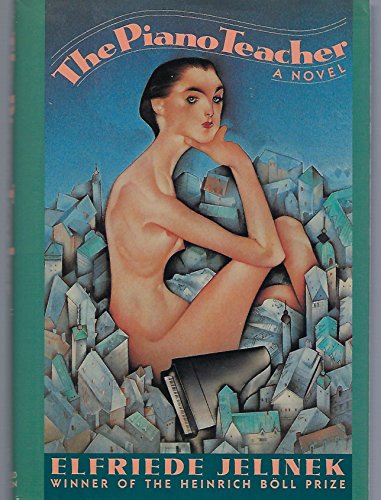
Sharing the same Austrian cultural context and a similarly sharp, unforgiving eye for the pretension and cruelty of the artistic elite, Jelinek’s work is a natural companion to Bernhard. It is a disturbing, psychological portrait of repression and control.

While more autobiographical, Knausgård’s relentless, granular focus on the minutiae of daily life and his own psyche mirrors the obsessive, exhaustive nature of Bernhard’s narrators. It is a modern exploration of the 'self' that fans of long-form, internal monologues will find compelling.

Love to read on the go?
Explore Kindle e-readers and take your books with you.
As an Amazon Associate, we earn from qualifying purchases.
As an Amazon Associate, we earn from qualifying purchases.