
Based on your book
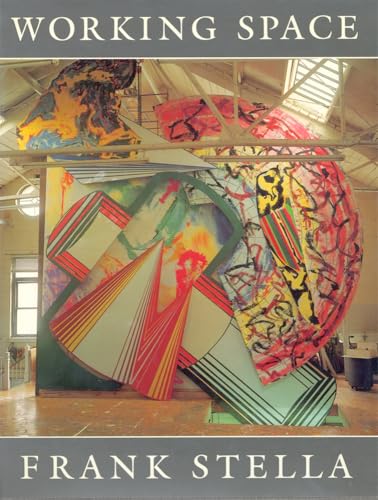
Working Space
by Frank Stella
Frank Stella's Working Space isn't a casual stroll through art history; it's a rigorous, artist-led interrogation of what painting is and what it could be. Stella, himself a pivotal figure in abstraction, unpacks the historical trajectory of pictorial space from the Renaissance to modernism, arguing for new ways of thinking about flatness, depth, and the very purpose of a canvas. The reading experience is intellectually demanding, like sitting down with a brilliant, opinionated artist who challenges you to see beyond established conventions. He's dissecting, analyzing, and building a case for a revitalized approach to painting. This book is for readers who appreciate a deep, philosophical dive into art theory, those who enjoy robust cultural analysis, and anyone curious about the mind of an artist grappling with the big questions of their medium. It offers a unique, insider perspective on the ongoing conversation about art's power and potential.
10 Books similar to 'Working Space'
If you found Working Space to be an exhilarating intellectual workout, you'll appreciate how our other recommendations continue that conversation. Many of these books, like John Berger's Ways of Seeing or Tom Wolfe's The Painted Word, share Stella's drive to critically examine the established narratives and power dynamics within the art world. They offer different lenses — historical, philosophical, or even satirical — to explore art's purpose, its societal role, and the ongoing challenges of artistic expression, pushing you to question what you thought you knew about art.
As an Amazon Associate, we earn from qualifying purchases.

by John Berger
Berger, much like Stella, challenges conventional ways of understanding art, but from a socio-political perspective. His essays dissect how images function in society, prompting readers to critically re-evaluate their own perceptions of art and its role.

by John Dewey
Dewey's philosophical exploration of art's connection to everyday life and human experience offers a profound theoretical framework. This resonates with Stella's deep dive into the essence and purpose of painting beyond mere aesthetics, connecting art to broader human endeavors.
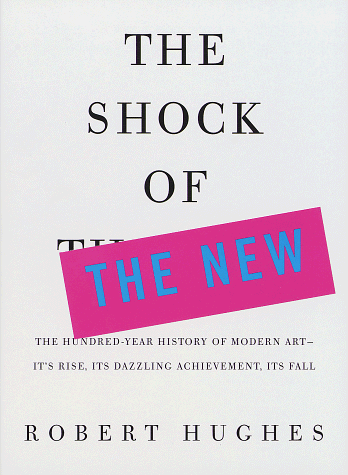
Hughes provides a sweeping, often opinionated, history of modern art, offering a critical and contextual backdrop to the movements and challenges Stella discusses in "Working Space." It's an excellent companion for understanding the evolution of modernism and its impact.

Kandinsky's seminal text lays out the theoretical and spiritual foundations for abstract art, offering an essential historical and philosophical precursor to Stella's own abstract practice. It provides crucial insight into the early motivations and goals of non-representational painting.

Prefer to listen?
Try Audible and hear the story instead of reading it.
As an Amazon Associate, we earn from qualifying purchases.

by Tom Wolfe
Wolfe's provocative and often satirical critique of modern art's reliance on theory provides a fascinating counterpoint to Stella's academic discourse. It engages with similar intellectual battles over the meaning and value of contemporary art, albeit from a different perspective.

This groundbreaking architectural theory book, much like Stella's work, challenges modernist orthodoxies with rigorous intellectual analysis. It advocates for a more nuanced and "messy vitality" in design, mirroring Stella's push for new directions in painting.

Gombrich's classic provides an accessible yet comprehensive overview of art history, offering the broad historical context and understanding of artistic evolution that underpins many of Stella's references. It helps readers grasp the lineage of artistic challenges Stella addresses.

Gombrich delves into the psychology behind how we perceive and interpret art, offering a deep analytical look at representation that complements Stella's focus on the formal and conceptual challenges of painting. It explores the viewer's role in the artistic experience.
by Leo Tolstoy
Tolstoy's polemical and deeply philosophical inquiry into the purpose and definition of art, while from a different era, shares Stella's desire to critically examine the very foundations of artistic practice. It challenges conventional views and societal roles of art.

by Herbert Read
Read offers a comprehensive philosophical framework for understanding modern art, providing a critical and intellectual lens through which to appreciate the movements and ideas that form the backdrop for Stella's own artistic and theoretical explorations. It contextualizes the challenges of modernism.

Love to read on the go?
Explore Kindle e-readers and take your books with you.
As an Amazon Associate, we earn from qualifying purchases.
As an Amazon Associate, we earn from qualifying purchases.