

Based on your book
World Is Flat 3.0, The
by Friedman, Thomas L.
Thomas Friedman argues that the playing field of global commerce has been leveled by technology, effectively erasing the traditional barriers of geography and time. He maps out how the rise of digital infrastructure, outsourcing, and open-source collaboration has fundamentally altered the power dynamics between nations and corporations. Reading this is like sitting through an intense, high-level briefing on the mechanics of the modern era; it is dense with anecdotes and rigorous observation, yet remains accessible enough to feel like a conversation with an exceptionally well-informed journalist. The pacing is relentless, mirroring the very speed of the globalization it describes. This book is for the curious reader who wants to understand the invisible currents driving the global economy and is willing to engage with complex systems and uncomfortable truths about where their job, their country, and their future fit into the new world order.
10 Books similar to 'World Is Flat 3.0, The'
Since you enjoyed the analytical rigor of The World Is Flat 3.0, you will likely appreciate these selections that further explore the mechanics of human progress and global power. We chose these titles because they share a similar intellectual DNA, focusing on the intersection of technology, historical geography, and economic shifts. Whether you want to dive deeper into the technical nuances of the digital economy, reconsider the historical path of trade, or challenge your own assumptions about global development, these books provide the necessary context to build a complete picture of our rapidly evolving, interconnected society.
As an Amazon Associate, we earn from qualifying purchases.

As the predecessor to his later works, this book offers the foundational framework for understanding the tension between globalization and tradition that Friedman explores in his later writing. Fans of his analytical, big-picture style will appreciate how he dissects the forces shaping our modern geopolitical landscape.

This Pulitzer Prize-winning classic provides a sweeping, interdisciplinary look at how geography and environment shaped the development of civilizations, much like Friedman examines the forces shaping the modern economy. It is an essential read for anyone interested in the macro-historical factors that determine global power dynamics.

by Erik Brynjolfsson and Andrew McAfee
This book dives deep into the technological revolution and artificial intelligence, expanding on the digital connectivity themes Friedman champions. It offers a rigorous yet accessible analysis of how automation and digitization are fundamentally restructuring the global economy.

Serving as a spiritual successor to 'The World Is Flat,' this book updates Friedman's analysis for the accelerated pace of the 21st century. It provides the same journalistic curiosity and synthesis of complex global trends, focusing on how technology, globalization, and climate change are converging.

Prefer to listen?
Try Audible and hear the story instead of reading it.
As an Amazon Associate, we earn from qualifying purchases.

by Tony Judt
For readers who enjoy Friedman's ability to synthesize massive amounts of historical and political data, this monumental history offers a comprehensive look at how modern Europe was built. It provides the necessary historical context to understand the interconnected world that Friedman describes.

Frankopan shifts the focus of history from the West to the East, providing a crucial counter-narrative to traditional globalization theories. It is a masterful, sweeping look at trade routes and cultural exchange that will resonate with readers interested in the origins of our interconnected world.

Baldwin offers a more granular economic perspective on the 'flattening' of the world, specifically focusing on how information technology has decoupled manufacturing from geography. It is a perfect follow-up for readers who want a deeper dive into the mechanics of global trade and supply chains.
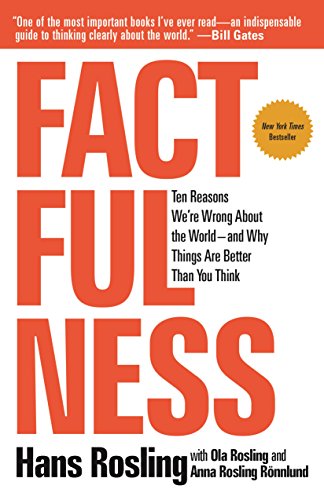
by Hans Rosling
Rosling uses data-driven optimism to challenge the common misconceptions about global development and poverty, mirroring Friedman's desire to provide a clear-eyed view of current events. It is a highly engaging, data-rich book that changes how you perceive the progress of humanity.
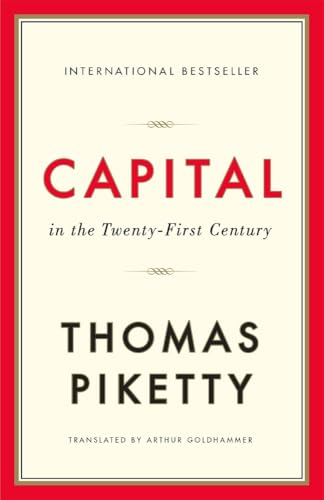
While more academic than Friedman, Piketty's exploration of wealth inequality and the global economy provides a necessary critique of the systems that globalization has created. It is essential reading for those interested in the structural and economic consequences of the 'flat' world.

A classic of futurology, this book predicted the psychological and social impacts of rapid technological change long before the internet age. Readers who enjoy Friedman's analysis of how the pace of change affects society will find Toffler's insights remarkably prescient and relevant.

Love to read on the go?
Explore Kindle e-readers and take your books with you.
As an Amazon Associate, we earn from qualifying purchases.
As an Amazon Associate, we earn from qualifying purchases.