

Based on your book
World War I
by Tucker, Spencer C.
Spencer C. Tucker offers a rigorous, panoramic examination of the First World War that functions less like a narrative drama and more like a high-level briefing on the collapse of an era. The book meticulously traces the tangled web of political alliances, military shifts, and the sheer exhaustion of a world tearing itself apart. You will not find emotional hand-holding here; instead, the prose is clinical, dense, and deeply analytical, focusing on the cold mechanics of decision-making and the brutal reality of industrialized slaughter. It is a demanding read that favors intellectual clarity over sentimentality. If you are the type of reader who prefers to understand the structural failures of empires and the logistical nightmare of trench warfare over personal anecdotes, this will be your definitive resource. It is a sobering, scholarly look at how absolute power can lead to absolute ruin.
10 Books similar to 'World War I'
Since you appreciate the analytical weight of Tucker's work, these ten titles were selected to deepen your understanding of the Great War through different, yet equally rigorous, lenses. Whether you want to explore the specific diplomatic blunders that triggered the conflict, the moral resistance movements that emerged during the fighting, or the long-term cultural scars left on the modern psyche, these books mirror Tucker's commitment to historical precision. They move beyond basic facts to investigate the complex political dynamics and devastating human costs that define the era, offering a comprehensive map of the catastrophe.
As an Amazon Associate, we earn from qualifying purchases.

by John Keegan
Like Tucker's work, Keegan offers a masterful, comprehensive analysis of the conflict that balances military strategy with the human experience of the war. It is an essential read for anyone wanting a definitive, scholarly overview of the Great War's progression and impact.
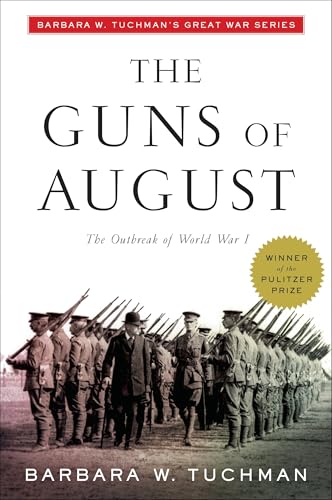
This classic narrative history focuses on the outbreak of the war and the initial month of fighting, providing the same level of meticulous detail and political context found in Tucker's work. It is widely considered a masterpiece of historical writing that captures the catastrophic decisions leading to the conflict.

by G.J. Meyer
Meyer provides a sweeping, accessible, and deeply researched account of the entire war, making it a perfect companion to Tucker's volume. It excels at explaining the complex political alliances and the sheer scale of the devastation in a way that is both informative and engaging.

by Max Hastings
Hastings focuses specifically on the onset of the war, blending high-level military analysis with vivid accounts from the soldiers and civilians on the ground. Readers who appreciate Tucker's comprehensive approach will value Hastings' ability to humanize the massive historical forces at play.

Love to read on the go?
Explore Kindle e-readers and take your books with you.
As an Amazon Associate, we earn from qualifying purchases.

For readers interested in the 'why' behind the 'what' in Tucker's book, this is the definitive study on the origins of the conflict. It offers a brilliant, analytical look at the diplomatic failures and political maneuvering that dragged the world into the abyss.

While Tucker provides the military and political framework, Hochschild explores the social and moral dimensions of the war through the lens of those who supported and those who resisted it. It adds a crucial, humanistic layer to the traditional historical narrative.

This book serves as the perfect post-script to Tucker's history, detailing the peace negotiations that reshaped the globe. It maintains a scholarly yet narrative tone that will appeal to fans of rigorous historical analysis.

Ferguson offers a provocative and highly analytical re-examination of the war's causes and consequences, challenging standard historical narratives. It is an excellent choice for readers who enjoy the intellectual rigor and critical perspective found in Tucker's writing.

by Paul Fussell
Fussell's work is a seminal piece of literary and cultural criticism that examines how the war shaped the consciousness of the 20th century. It provides the deep cultural context that complements the military facts presented in Tucker's broader history.

Sheffield challenges many of the popular myths surrounding the war, particularly regarding the British Army's performance and the nature of the conflict. It aligns with Tucker's goal of providing an accurate, evidence-based history of the war.

Not sure what they've already read?
Let them pick their next favorite with an Amazon Gift Card.
As an Amazon Associate, we earn from qualifying purchases.
As an Amazon Associate, we earn from qualifying purchases.