

Based on your book
World War Z
by Brooks, Max
Max Brooks approaches the zombie apocalypse not as a horror movie, but as a forensic investigation into the collapse of human civilization. The book is structured as a series of oral histories collected by a United Nations official, spanning the initial outbreak to the desperate, hard-won victory of the survivors. Because it reads like a collection of transcripts from soldiers, refugees, and bureaucrats, the pacing is clinical and detached, which actually makes the horror more visceral. You are not following one hero; you are witnessing the systemic failure of governments and the brutal reality of survival on a global scale. It is bleak, gritty, and deeply concerned with the politics of disaster. This is for readers who prefer their speculative fiction grounded in realism, geopolitics, and the cold, hard questions of what we would actually do when the lights go out.
10 Books similar to 'World War Z'
Since World War Z succeeds by treating the impossible with total seriousness, these recommendations prioritize that same grounded, analytical approach to catastrophe. Whether through the lens of a scientific case study or a fractured, multi-perspective aftermath, each title examines how society unravels when the status quo is shattered. We have gathered these books because they share that specific, unsettling commitment to realism, forcing you to confront the bureaucratic, social, and psychological costs of survival. If you appreciate the way Brooks dissects geopolitical collapse, you will find these narratives just as haunting and intellectually demanding.
As an Amazon Associate, we earn from qualifying purchases.

by John Wyndham
Like World War Z, this classic novel treats a catastrophic global event with a grounded, analytical approach, focusing on how society collapses when faced with an overwhelming, non-human threat. It captures that same sense of creeping dread and the struggle to maintain order in a world that has fundamentally changed overnight.
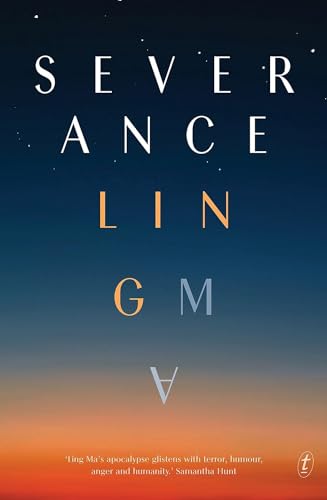
by Ling Ma
This satirical yet haunting novel mirrors the global, bureaucratic response to a pandemic, much like the geopolitical focus of Max Brooks' work. It balances the mundane realities of office life with the terrifying collapse of civilization, offering a sharp critique of modern consumer culture.
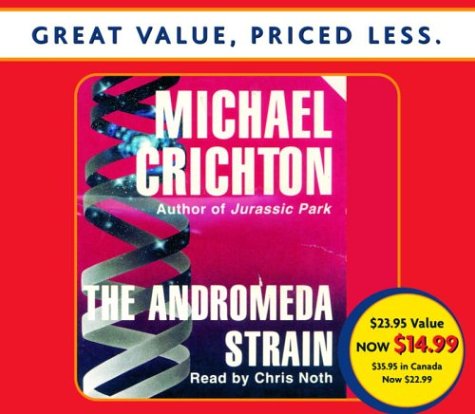
Fans of the 'realistic' scientific approach to a disaster in World War Z will appreciate Crichton's meticulous attention to detail and procedural storytelling. The book reads almost like a technical report or case study, making the terrifying biological threat feel disturbingly plausible.

While more lyrical than World War Z, this novel excels at showing the long-term, multi-perspective aftermath of a global collapse. It shares the same interest in how humanity preserves its culture and memory in the face of near-total extinction.

Prefer to listen?
Try Audible and hear the story instead of reading it.
As an Amazon Associate, we earn from qualifying purchases.

by J.L. Bourne
Written in a journal format, this book captures the immediate, visceral survival experience of the zombie apocalypse that World War Z describes from a distance. It is a gritty, fast-paced read that focuses on the practicalities of staying alive when society falls.

Though non-fiction, this book reads like a terrifying thriller, providing the real-world inspiration for many disaster narratives. Readers who enjoyed the 'oral history' and 'documentary' feel of World War Z will find this account of viral outbreaks equally gripping and horrifying.

This novel offers a complex, multi-perspective look at a societal breakdown triggered by a bizarre, supernatural phenomenon. It shares the dark, gritty tone of Max Brooks' work while exploring the psychological toll of living in a city under siege by an inexplicable evil.

by Max Brooks
Written by the same author, this novel applies the exact same documentary-style, interview-based narrative format to a different survival scenario: a Bigfoot attack on a remote community. It is the spiritual sibling to World War Z, perfect for those who loved the specific style of the original.

This book focuses on the sensory deprivation and psychological terror of an unseen, world-ending threat. Like World War Z, it excels at placing ordinary people in impossible situations, forcing them to adapt or perish in a world that has become fundamentally hostile.

This novel explores the aftermath of societal collapse with a focus on the political and social restructuring of local communities. It aligns with the themes of geopolitical shift and the loss of modern convenience found in World War Z.

Love to read on the go?
Explore Kindle e-readers and take your books with you.
As an Amazon Associate, we earn from qualifying purchases.
As an Amazon Associate, we earn from qualifying purchases.